
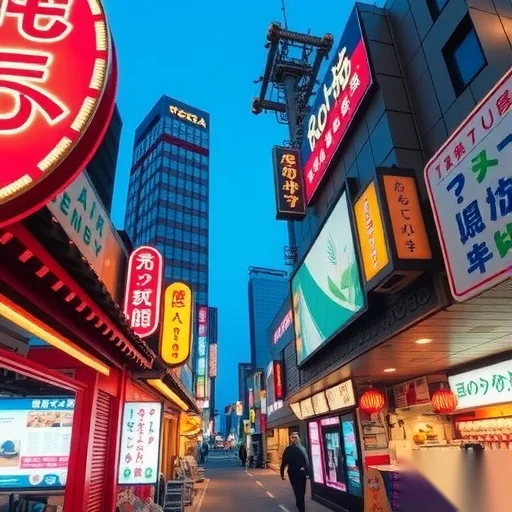
Tokyo is one of the most fascinating cities in the world, blending ancient traditions with cutting-edge technology. However, for first-time visitors, planning a 3-day itinerary can feel overwhelming. The key to making the most of your time in Tokyo is to focus on the essentials: cultural landmarks, must-try food, and efficient transportation. With the right strategy, you can experience the best of Tokyo without feeling rushed or lost.
Understanding Tokyo’s layout is the first step in creating a successful travel plan. The city is divided into distinct areas, each with its own unique vibe. From the historic neighborhoods of Asakusa and Senso-ji to the futuristic energy of Shibuya and Shinjuku, Tokyo offers something for every type of traveler. To avoid spending too much time on the subway or getting lost in unfamiliar streets, it’s important to prioritize the most iconic spots and plan your routes in advance.
One of the most effective ways to maximize your time in Tokyo is to focus on a few key districts and plan your days around them. Day one can be dedicated to exploring the traditional side of the city, starting with Asakusa and Senso-ji Temple, then moving to Akihabara for its vibrant electronics and anime culture. Day two could center around the bustling shopping and dining scene in Shibuya and Omotesando, while day three offers a mix of history and modernity with visits to Meiji Shrine and the Tokyo Metropolitan Government Building. This approach ensures you get a well-rounded experience without feeling like you’re just ticking off tourist attractions.
Efficient transportation is another crucial factor in making the most of your 3-day trip. Tokyo’s public transport system is one of the most reliable and extensive in the world, with an intricate network of subways, buses, and private railways. Purchasing a Suica or Pasmo card before your trip can save you time and money, as it allows for seamless travel across multiple modes of transport. Additionally, using the Japan Rail Pass can be beneficial if you plan to visit nearby destinations like Kyoto or Osaka, but for a 3-day stay in Tokyo, a local transport card is usually sufficient.
When planning your meals, it’s important to balance convenience with authenticity. While there are plenty of international restaurants and fast-food chains, Tokyo is also home to some of the best street food and traditional dining experiences in the world. Don’t miss the chance to try sushi at a local market, ramen from a tiny family-run shop, or a bowl of matcha at a traditional tea house. Many of these places are tucked away in less touristy areas, so it’s best to plan ahead or follow local recommendations.
A great example of how to structure a 3-day itinerary is the experience of a traveler who visited Tokyo for the first time. On day one, they started at Asakusa, visited Senso-ji Temple, and then headed to Akihabara, where they explored the electronics district and enjoyed a meal at a local ramen shop. Day two was spent in Shibuya, where they took in the famous scramble crossing, shopped along Omotesando Street, and dined at a rooftop bar with a view of the city. On day three, they visited Meiji Shrine, explored the Imperial Palace, and ended their trip with a relaxing walk through the gardens of the Tokyo Metropolitan Government Building. This itinerary allowed them to experience both the traditional and modern aspects of Tokyo without feeling overwhelmed.
In addition to sightseeing, it’s important to consider the pace of your travel. Tokyo is a big city, and even with efficient transportation, it’s easy to feel like you’re constantly moving from one place to another. Taking short breaks to rest, eat, or simply people-watch can make your trip more enjoyable. Also, be mindful of the time of day you visit certain attractions—some are best experienced in the early morning or late afternoon to avoid crowds.
Lastly, don’t forget to leave room for spontaneity. While having a plan is essential, Tokyo is also a city that rewards those who are open to discovering hidden gems. Whether it’s a small alleyway with street vendors or a local festival happening in the neighborhood, being flexible can lead to some of the most memorable experiences.
In summary, planning a 3-day trip to Tokyo requires a balance of preparation and flexibility. By focusing on key districts, using efficient transportation, and enjoying both the traditional and modern aspects of the city, you can create an unforgettable travel experience.



I followed this guide and managed to see so much in three days! The tips on transportation and food were lifesavers. Thank you!