

Traveling independently in China can be both exciting and overwhelming. With so many destinations, cultural experiences, and practical considerations, it’s easy to feel lost. However, by following a few key principles and steps, you can create a seamless and unforgettable self-guided travel itinerary. This guide will walk you through the essentials of planning your own trip, from choosing the right destinations to managing logistics on the go.
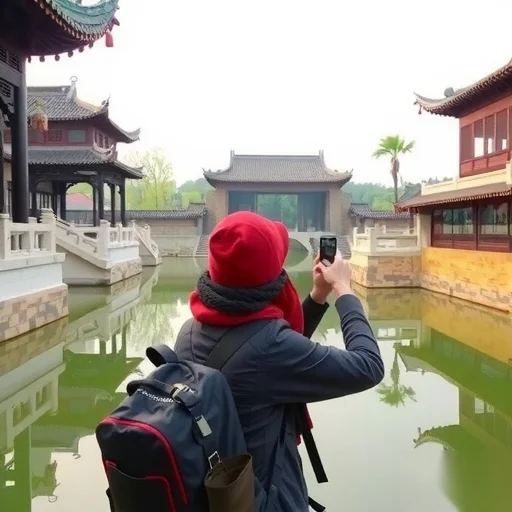
The first step in planning your self-guided travel in China is to define your goals and preferences. Are you looking for a cultural immersion, natural landscapes, or a mix of both? Once you have a clear idea of what you want, you can narrow down your destinations. For example, if you’re interested in history, cities like Xi’an, Chengdu, and Suzhou are must-visit spots. If you prefer nature, consider visiting Zhangjiajie, Jiuzhaigou, or the Yunnan region.
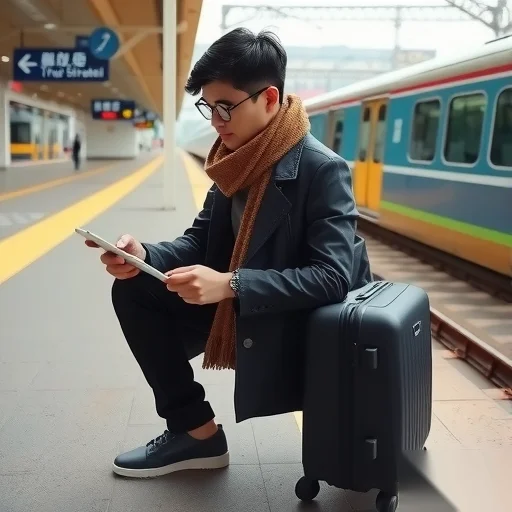
Next, research the logistics of your chosen destinations. China has an extensive public transportation system, including high-speed trains, buses, and domestic flights. Planning your routes in advance can save you time and money. For instance, the high-speed rail network connects major cities efficiently, allowing you to travel between Beijing and Shanghai in just under 5 hours. Additionally, investing in a China Railway Pass or booking tickets in advance can help you navigate the system smoothly.
When it comes to accommodation, you have a variety of options. From budget-friendly hostels and guesthouses to luxury hotels and boutique inns, there’s something for every traveler. Booking in advance is recommended, especially during peak seasons like summer and holidays. Platforms like Ctrip or Booking.com offer great options, and many hotels provide free Wi-Fi and luggage storage, which are essential for independent travelers.
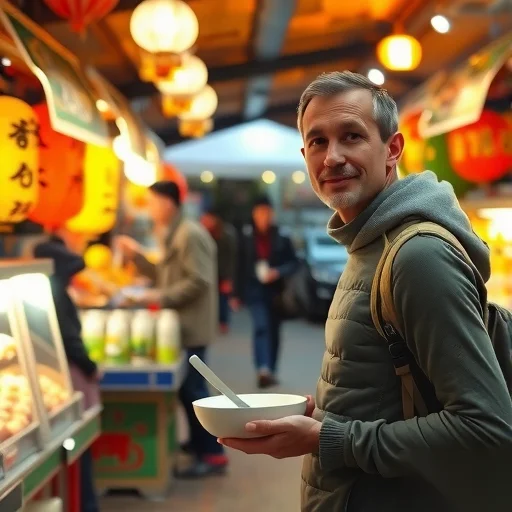
Food is another essential part of the travel experience. China is known for its diverse and delicious cuisine, and trying local dishes is a must. However, it’s important to be cautious about food safety and hygiene. Opt for street food from busy markets or restaurants with good reviews. Dishes like dumplings, hot pot, and Peking duck are popular choices, and many cities have local specialties that you shouldn’t miss.
Finally, consider the cultural and practical aspects of your trip. Learning a few basic phrases in Mandarin can go a long way in making interactions with locals smoother. Additionally, carrying a small notebook or app for tracking expenses, schedules, and important information can help you stay organized. It’s also a good idea to keep copies of your passport, travel insurance, and emergency contacts in case of unexpected situations.





This guide is super helpful! I never knew how to plan my trip independently, but now I feel more confident. Thanks!
The tips about transportation and food are spot on. I’ll definitely use this when I visit China next year.
The images really added to the experience. It made me want to visit all these places!