
Travel photography is one of the most rewarding ways to capture your journey, but it can also be frustrating if you don’t know the right techniques. The key to taking stunning travel photos lies in understanding the basics of composition, lighting, and timing. Whether you’re a seasoned photographer or a first-time traveler, this guide will help you take better photos and make the most of your trip.
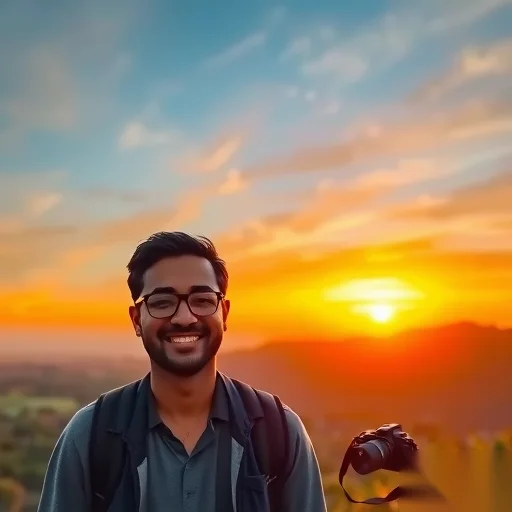
When planning your trip, it’s important to consider the best times of day to take photos. Golden hour, the time just after sunrise or before sunset, is known for its warm, soft lighting that enhances colors and creates a magical atmosphere. This is the perfect time to capture landscapes, cityscapes, or even portraits. Avoid midday when the sun is high and harsh, as it can create unflattering shadows and overexposed areas.
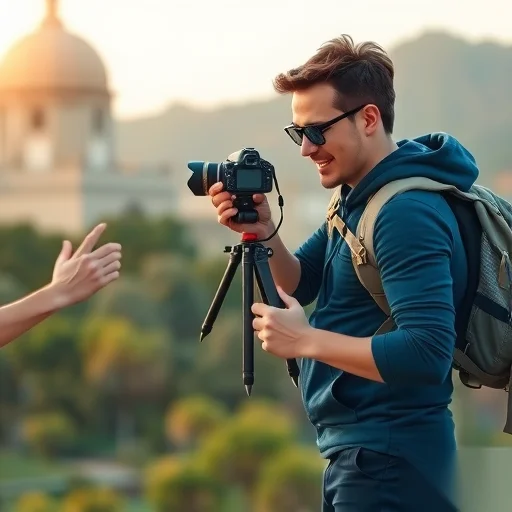
Choosing the right equipment can also make a big difference. While a smartphone camera is convenient and sufficient for casual snapshots, a DSLR or mirrorless camera offers more control over settings like aperture, shutter speed, and ISO. If you’re using a smartphone, invest in a good quality lens or use a tripod for stability, especially when taking long exposures or low-light shots. Remember, the best camera is the one you have with you, so don’t feel pressured to buy the latest model—focus on learning how to use what you have.
Composition is another essential element of good photography. The rule of thirds is a fundamental technique that can help you create more balanced and visually appealing images. Instead of placing your subject in the center of the frame, try positioning it along the lines or intersections of a grid that divides the image into thirds. This creates a more dynamic and engaging photo. Additionally, using leading lines—such as roads, rivers, or fences—can guide the viewer’s eye through the image and add depth.
Lighting plays a crucial role in photography, and understanding how to work with natural light can elevate your photos significantly. Soft light, such as that from a cloudy sky or during golden hour, is ideal for portraits and landscapes, as it reduces harsh shadows and creates a flattering effect. If you’re shooting in low light, use a tripod to keep your camera steady and increase the exposure time. Avoid using a flash unless necessary, as it can create an unnatural look and wash out the colors.
Timing is everything in travel photography. Some of the most breathtaking moments happen spontaneously, so be ready to capture them. Whether it’s a local festival, a street performer, or a spontaneous moment with a fellow traveler, being patient and observant can lead to unforgettable shots. Don’t be afraid to ask for permission before taking photos of people, especially in cultures where privacy is valued.
Let’s look at an example: imagine you’re visiting Paris and want to take a photo of the Eiffel Tower at sunset. Instead of just pointing your camera straight at the tower, use the rule of thirds by placing the tower along the horizontal line in the lower third of the frame. Include some people in the foreground to add scale and life to the image. Use a wide-angle lens to capture the entire structure and the surrounding environment. Adjust your exposure settings to ensure the tower is well-lit without overexposing the sky. This combination of composition, lighting, and timing will result in a stunning photo that tells a story.
Travel photography is not just about taking pictures—it’s about capturing memories and emotions. With the right techniques and a little practice, you can turn your travel experiences into beautiful, lasting images. Whether you’re documenting your journey for yourself or sharing it with others, the goal is to create something that reflects your unique perspective. So, grab your camera, explore, and let your creativity shine.



I loved the golden hour tip! I’ll definitely plan my photos around that time next time. It makes such a difference!
Great advice on using natural light. I used to rely too much on flash, but now I feel more confident with daylight shots.
The rule of thirds was new to me, but it’s so simple and effective. I’ve already applied it to my recent photos!