
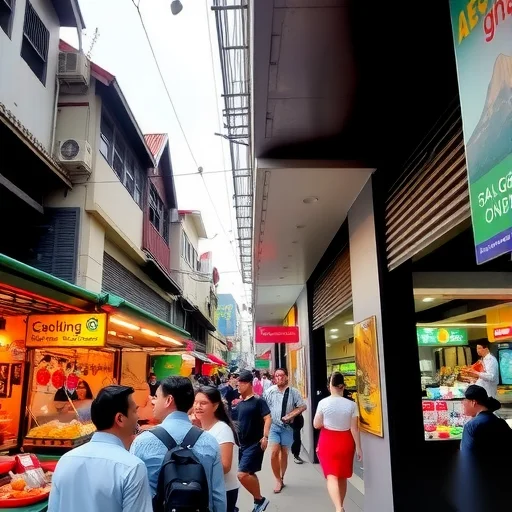
Traveling to Thailand and Cambodia is a dream for many, but without proper planning, it can quickly turn into a chaotic adventure. The key to a seamless trip lies in understanding the best time to visit, the must-see attractions, and how to navigate the cultural and logistical differences between the two countries. This guide will walk you through the essential steps to plan a stress-free and unforgettable journey to Southeast Asia’s most captivating destinations.
Thailand and Cambodia are two of Southeast Asia’s most diverse and culturally rich destinations, but they also come with their own unique challenges. From navigating the local transportation systems to respecting cultural norms, there are several factors to consider. By preparing in advance, you can avoid common pitfalls and make the most of your trip.
The best time to visit Thailand and Cambodia depends on your interests. Thailand’s dry season, from November to February, is ideal for exploring temples and beaches, while Cambodia’s dry season runs from December to March. However, if you’re interested in water activities or visiting floating markets, the wet season might be more appealing. It’s important to research the weather patterns and align your travel dates with your preferred activities.
Once you’ve decided on the best time to visit, the next step is to plan your itinerary. Start by selecting the main cities you want to visit—Bangkok, Chiang Mai, Phnom Penh, and Siem Reap are popular choices. Each city offers a unique experience, from Bangkok’s vibrant nightlife to Siem Reap’s ancient temples. Allocate enough time to explore each destination, but also leave room for spontaneous adventures.
Transportation between Thailand and Cambodia is convenient, especially by land. The border between the two countries is well-connected, and there are several options for crossing, including buses and private transfers. However, it’s important to plan your crossing in advance, as border procedures can sometimes be slow. If you’re traveling by plane, consider flying from Bangkok to Phnom Penh or Siem Reap, which offers direct flights and is often faster.
Accommodation options in both countries range from budget-friendly guesthouses to luxury resorts. In Thailand, staying in a boutique hotel in Chiang Mai or a beachfront resort in Phuket can provide an unforgettable experience. In Cambodia, staying in a guesthouse in Siem Reap or a riverside hotel in Phnom Penh is a great way to immerse yourself in the local culture. Be sure to read reviews and book in advance to ensure availability.
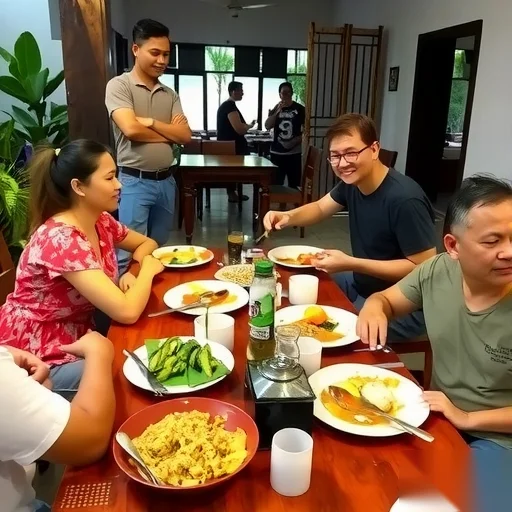
Food is an essential part of any trip, and both Thailand and Cambodia offer a rich culinary experience. In Thailand, don’t miss out on street food like pad thai and mango sticky rice, while Cambodia’s famous dishes include fish amok and banana flower salad. Make sure to try the local specialties and be mindful of food hygiene, especially when eating at street vendors.
Budgeting for your trip is another important aspect. While Thailand is generally more affordable than Cambodia, both countries offer a range of options for different budgets. Set aside money for transportation, accommodation, food, and activities, and consider purchasing a local SIM card for easy communication.





This guide was super helpful! I followed the steps and had an amazing trip to both Thailand and Cambodia. The tips on the best time to visit and how to cross the border were especially useful.
I love how the guide breaks down the planning process step by step. It made me feel confident about my upcoming trip to Southeast Asia.
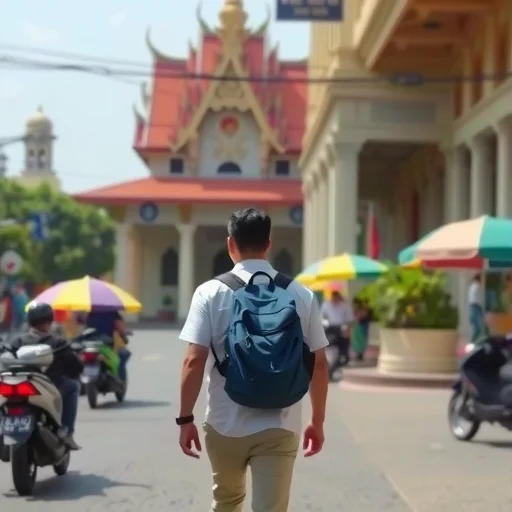
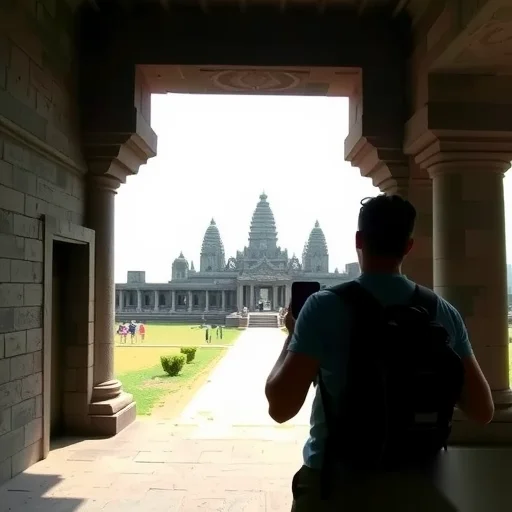
The image of the temple in Siem Reap was so inspiring! I’m planning a trip soon and this guide gave me a clear idea of what to expect.