

The Great Wall of China is one of the most iconic landmarks in the world, but capturing its grandeur in a photo can be a challenge. Whether you’re a beginner or an experienced photographer, knowing the right techniques can make all the difference. The key to stunning Great Wall photos lies in understanding the best times to shoot, the right equipment, and how to compose your shots. With the right approach, you can create images that truly reflect the majesty of this ancient wonder.

Timing is everything when it comes to Great Wall photography. The best light is usually during the early morning or late afternoon when the sun is low in the sky. This creates a warm, golden hue that enhances the texture of the stone and adds depth to your images. Avoid midday when the sun is too harsh and the shadows are too sharp. If you’re planning to capture the Great Wall at night, consider using a tripod and a long exposure to capture the stars or the lights of nearby villages.

Choosing the right equipment is just as important as knowing when to shoot. A DSLR or mirrorless camera with a wide-angle lens is ideal for capturing the vastness of the Great Wall. A 16-35mm lens is a great choice for wide shots, while a 50mm or 85mm lens can be used for more intimate, detailed compositions. Don’t forget to bring a tripod for long exposures, especially if you’re shooting at night or in low light. A polarizing filter can also help reduce glare and enhance the colors of the sky and the stone.

Composing your shots effectively can elevate your Great Wall photos from good to extraordinary. Use the rule of thirds to position the wall off-center, which creates a more dynamic and balanced image. Leading lines, such as the path along the wall or the ridges of the mountains, can guide the viewer’s eye through the photo. Including elements like a distant village, a group of people, or a bird in the sky can add context and scale to your images. Experiment with different angles—shoot from the ground level, from a higher vantage point, or even from a drone for a unique perspective.
One of the most popular spots for Great Wall photography is Mutianyu, which is less crowded than Badaling and offers stunning views. Early in the morning, the mist still lingers over the valley, creating a dreamy atmosphere. As the sun rises, the light transforms the stone into a golden silhouette against the blue sky. A wide shot from the top of the wall can capture the entire length of the structure, while a close-up of the weathered stones can highlight the history and craftsmanship of the wall.

If you’re planning a trip to the Great Wall, make sure to plan your visit around the best times of day. Check the weather forecast to avoid rain or fog, which can obscure the view. Wear comfortable shoes and bring layers, as the temperature can change quickly. Also, be respectful of the site and follow any rules or guidelines to preserve the historical integrity of the wall.
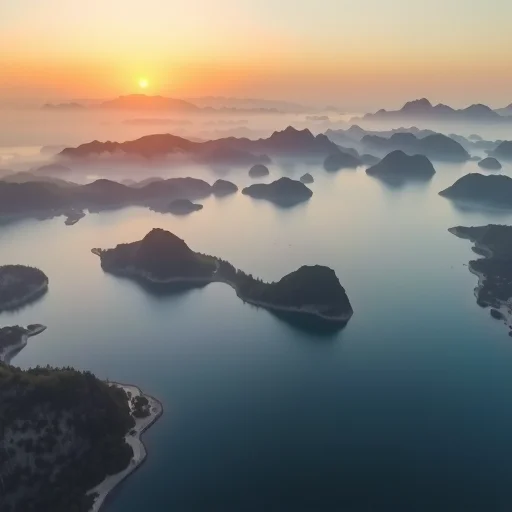
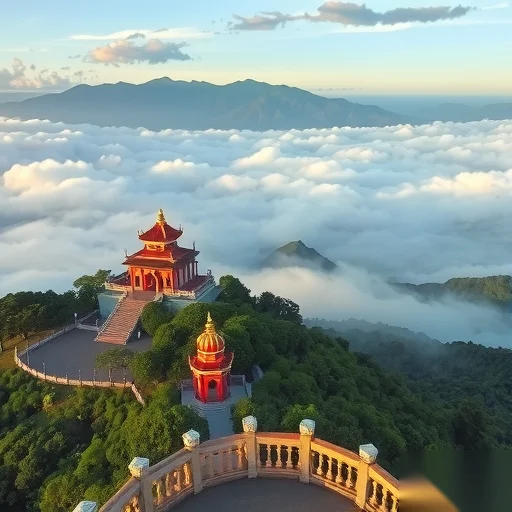
I followed your tips and took some amazing photos at sunrise. The golden light really made the wall stand out!
The composition advice was super helpful. I tried leading lines and it made my photos more interesting.
I didn’t know about the polarizing filter. That’s a great tip for reducing glare!