
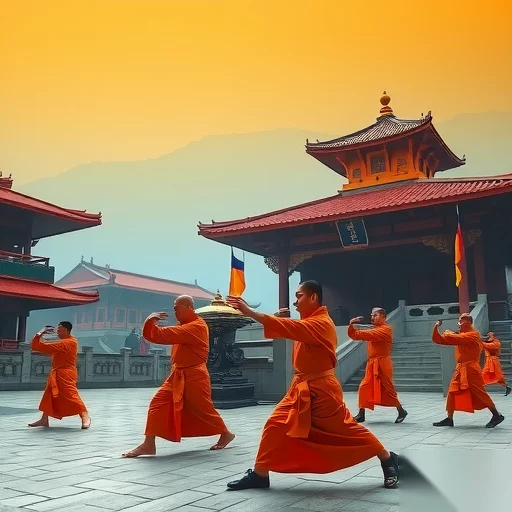
Visiting the Shaolin Temple is more than just a trip to a famous historical site—it’s an opportunity to experience the spiritual and cultural heart of Chinese Buddhism. However, for first-time visitors, the journey can feel overwhelming. The question is: How can you plan a meaningful and stress-free Shaolin Temple retreat? The answer lies in a well-structured travel plan that balances sightseeing, cultural immersion, and personal reflection. By focusing on the essentials, you can ensure a fulfilling experience that aligns with the values of the temple itself—peace, discipline, and mindfulness.
Before you begin, it’s important to understand what a Shaolin Temple retreat entails. Unlike a typical tourist visit, a retreat emphasizes spiritual growth, cultural learning, and physical well-being. This means your itinerary should include not only visiting the temple and its surrounding areas but also participating in activities that reflect the temple’s traditions. Whether it’s learning about Buddhist philosophy, practicing martial arts, or simply enjoying a vegetarian meal, every experience should contribute to a deeper connection with the place and its heritage.
The first step in planning your trip is to determine your goals. Are you looking for a short day trip, a multi-day retreat, or something in between? Your answer will shape the rest of your plan. For a day trip, focus on the main attractions: the main hall, the pagoda, the monks’ living quarters, and the surrounding temple grounds. If you’re planning a longer stay, consider staying at one of the temple’s guesthouses or nearby accommodations that offer a more immersive experience. This will allow you to engage more deeply with the daily life of the monks and the traditions they uphold.
Next, research the best time to visit. The Shaolin Temple is open year-round, but the best time for a retreat is during the spring and autumn months when the weather is mild and the environment is most conducive to meditation and reflection. Avoid the summer months, when temperatures can be quite high, and the winter months, when it might be too cold. Additionally, consider the temple’s schedule. Some activities, such as martial arts demonstrations or meditation sessions, may only be available on certain days or times. Planning around these can enhance your experience and prevent disappointment.
Once you’ve set your goals and chosen the right time, it’s time to plan your daily activities. Start with the morning, as this is when the temple is most active. Arrive early to witness the monks’ morning rituals, which include meditation, chanting, and physical exercises. These sessions are not only a part of the temple’s daily routine but also a powerful way to connect with the spiritual essence of the place. Afterward, take time to explore the temple grounds, which are filled with historical monuments, ancient statues, and tranquil gardens. Each area tells a story and offers a glimpse into the temple’s rich history.
For lunch, make sure to try the traditional Shaolin vegetarian meal. This is not just a meal but an experience in itself. The food is simple, wholesome, and prepared with care, reflecting the monks’ philosophy of simplicity and mindfulness. After lunch, you can visit the nearby Shaolin Temple Monastery or take a short trip to the Shaolin Mountain, where you can enjoy the natural beauty of the area and reflect on your journey.
In the afternoon, consider participating in a guided tour or a workshop. Many temples offer sessions on Buddhist teachings, martial arts, or meditation. These activities are led by monks or experienced guides and provide a deeper understanding of the temple’s culture and values. If you’re interested in martial arts, you may even have the opportunity to try a few basic moves under the guidance of a master. This is a unique chance to experience the physical discipline and spiritual focus that define Shaolin culture.
As the day winds down, take time to reflect on your experiences. The temple is a place of peace, and the best way to leave is with a sense of calm and clarity. Whether you choose to sit in meditation, write in your journal, or simply enjoy the quiet surroundings, this time will help you internalize what you’ve learned.
To illustrate how this approach works in practice, let’s look at a case example. A traveler named Li Wei planned a three-day retreat to the Shaolin Temple. On the first day, he arrived early to witness the morning rituals and explored the temple grounds. He had a traditional vegetarian meal and attended a meditation session. On the second day, he joined a guided tour of the Shaolin Mountain and participated in a martial arts workshop. The third day was spent in quiet reflection and meditation. By following this structure, Li Wei was able to fully





It’s amazing how the temple blends spirituality with martial arts. I hope to visit one day and learn more about their traditions.
The vegetarian meal looks delicious and authentic. I’m curious about the menu options for visitors.
The photos really capture the peaceful atmosphere of the temple. I can almost hear the chants and feel the calm energy.
I’ve always wanted to experience the daily life of the monks—this guide gives a great insight into what to expect.