
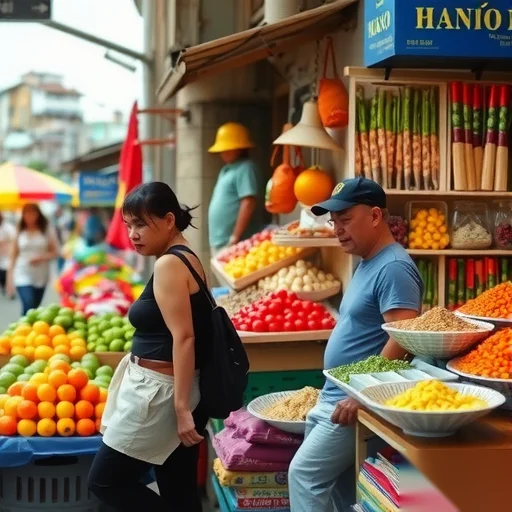
Vietnam is a country that offers something for everyone, from bustling cities to serene countryside, and from historical landmarks to vibrant street markets. If you’re planning a trip to Vietnam, you might be wondering how to explore it like a local rather than just following the typical tourist trail. The answer lies in knowing where to go, what to see, and how to experience the culture authentically. This guide will help you uncover the best-kept secrets of Vietnam and make the most of your journey.
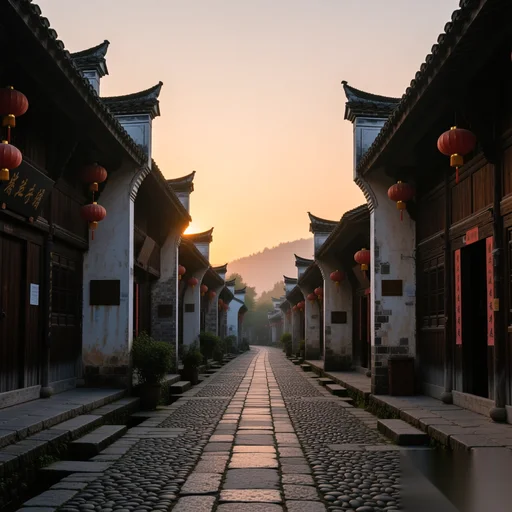
Vietnam is a land of contrasts, and its beauty lies in its diversity. From the ancient temples of Hanoi to the tranquil beaches of Da Nang, the country is packed with experiences that go beyond the usual tourist spots. To truly understand Vietnam, you need to venture off the beaten path and immerse yourself in the local way of life. This means exploring small villages, trying local dishes at street food stalls, and engaging with the people who call this place home.
One of the best ways to experience Vietnam like a local is by visiting lesser-known destinations. While places like Halong Bay and Hoi An are popular, there are countless hidden gems waiting to be discovered. For example, the ancient town of Hoi An is a UNESCO World Heritage Site, but its surrounding villages, such as Cua Dai, offer a more authentic experience. Similarly, the mountainous regions of Sapa and Ha Giang are often overlooked by tourists, yet they provide breathtaking landscapes and rich cultural heritage.
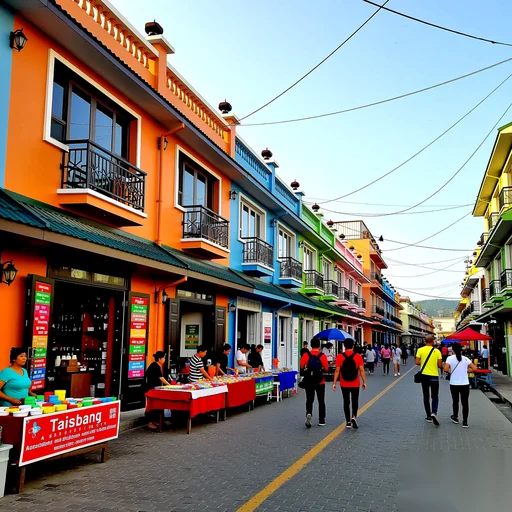
To make the most of your trip, it’s important to plan your itinerary with a mix of popular and off-the-grid destinations. Start by researching local festivals and events, as these are excellent opportunities to experience Vietnamese culture firsthand. For instance, the Tet Festival, the Vietnamese New Year, is a time of celebration and family reunions, and participating in local traditions can give you a deeper understanding of the country. Additionally, visiting local markets and food stalls is a great way to taste authentic Vietnamese cuisine. Don’t be afraid to ask for recommendations from locals—they often know the best places to go.
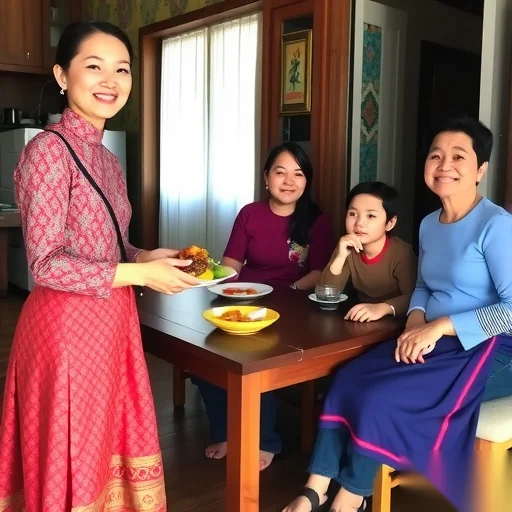
If you’re looking for a unique experience, consider staying in homestays or guesthouses run by local families. This not only supports the local economy but also allows you to interact with the community in a more meaningful way. For example, in the Mekong Delta, staying with a local family can provide insights into the daily life of the people and the agricultural practices that sustain the region. These experiences are often more memorable than staying in a luxury hotel.
Another key aspect of exploring Vietnam like a local is transportation. While major cities have efficient public transport systems, getting around in rural areas can be more challenging. Renting a motorbike or joining a local tour group can help you navigate the countryside more easily. However, it’s important to be cautious and follow local rules, especially when driving. Alternatively, hiring a local guide can ensure that you get the most out of your trip while also supporting the local economy.
To illustrate the benefits of exploring Vietnam like a local, let’s look at a case study. A traveler who visited the northern region of Vietnam chose to stay in a homestay in Sapa rather than a hotel. During their stay, they participated in a local cooking class, learned about the traditions of the Hmong ethnic minority, and even went on a trek through the mountains with a local guide. This experience not only deepened their understanding of Vietnamese culture but also allowed them to form meaningful connections with the people they met.
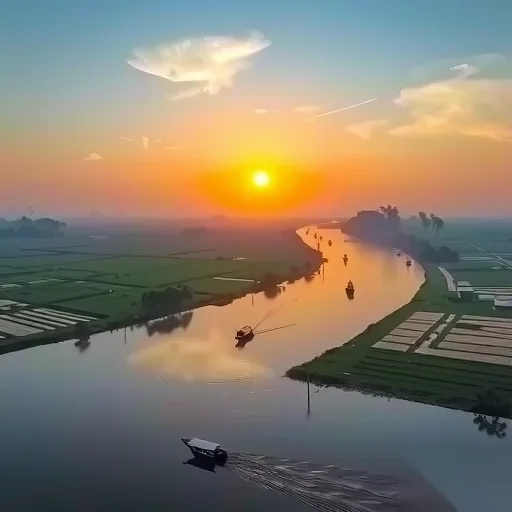
In addition to cultural experiences, Vietnam’s natural beauty is a major draw for travelers. From the limestone karsts of Halong Bay to the lush rice fields of the Mekong Delta, the country offers a wide range of landscapes. To make the most of these natural attractions, it’s important to plan your visits during the best times of the year. For example, visiting the beaches of Nha Trang in the dry season ensures pleasant weather, while exploring the caves of Son Doong requires careful planning due to its remote location.
Finally, it’s important to respect local customs and traditions when exploring Vietnam. Dress modestly when visiting temples, and be mindful of local etiquette, such as removing your shoes before entering a home or a place of worship. By doing so, you not only show respect for the culture but also enhance your overall travel experience.


I’ve been to Vietnam a few times, but this guide gives me new ideas on how to really immerse myself in the culture and connect with the locals.
Exploring Vietnam like a local is an amazing way to experience the true essence of the country. I love the idea of discovering hidden gems and off-the-beaten-path spots!