
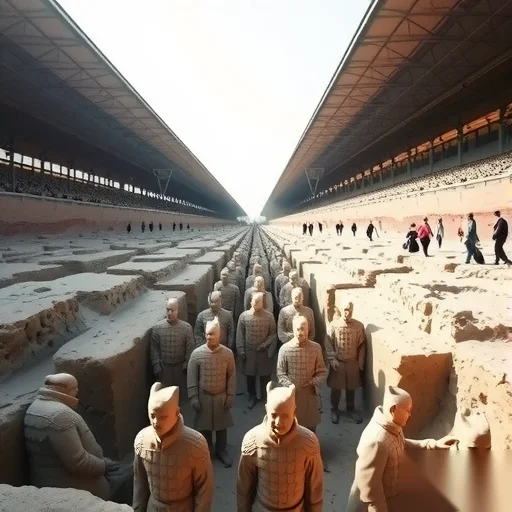
The best way to explore the Terracotta Army is to plan your visit carefully, understand the historical significance, and follow a structured tour to maximize your experience. Whether you’re a first-time visitor or a history enthusiast, knowing what to expect and how to navigate the site will ensure you don’t miss any of its key highlights.
The Terracotta Army, located near the Mausoleum of the First Qin Emperor, is one of the most important archaeological discoveries of the 20th century. It consists of thousands of life-sized terracotta soldiers, horses, and chariots, all uniquely crafted to represent the Qin Dynasty’s military might. However, with its vast size and historical depth, visiting the site without a clear plan can lead to confusion and missed opportunities. The solution is to follow a well-structured itinerary that balances sightseeing, learning, and relaxation.
Start by purchasing your ticket in advance. The site is massive, and the number of daily visitors is limited, so booking online ensures you avoid long queues. Once inside, begin your tour at the main exhibition hall, where you’ll find detailed models and historical context about the Terracotta Army. This section is essential for understanding the significance of the site before diving into the actual tombs.
Next, head to the Terracotta Army Museum, where the majority of the soldiers and artifacts are displayed. Here, you can see the craftsmanship and diversity of the figures, each with unique facial expressions and armor. The museum also includes interactive exhibits and multimedia presentations that bring the history to life. Be sure to visit the “Military Display Area,” where you can see the soldiers in their original positions, giving you a sense of the scale and grandeur of the site.
After exploring the museum, take a guided tour of the Terracotta Army pits. These pits are the heart of the site and offer an immersive experience. The first pit is the largest, featuring a complete army of soldiers and chariots. The second and third pits are smaller but equally impressive, with different formations and types of soldiers. A guided tour can help you understand the layout and historical context, making your visit more informative and enjoyable.
If you have time, visit the nearby Qin Shi Huang Mausoleum, which is the burial site of the First Emperor. The mausoleum itself is a remarkable structure, and the site includes a large bronze chariot and horse, which are considered some of the most significant finds. The surrounding area also has a museum that provides additional context about the Qin Dynasty and the emperor’s life.
To make the most of your visit, consider the timing. Arrive early in the morning or late in the afternoon to avoid the crowds and enjoy the best lighting. Also, wear comfortable shoes, as the site is quite large and involves a lot of walking. Bring a reusable water bottle and snacks, as there are limited food options available.
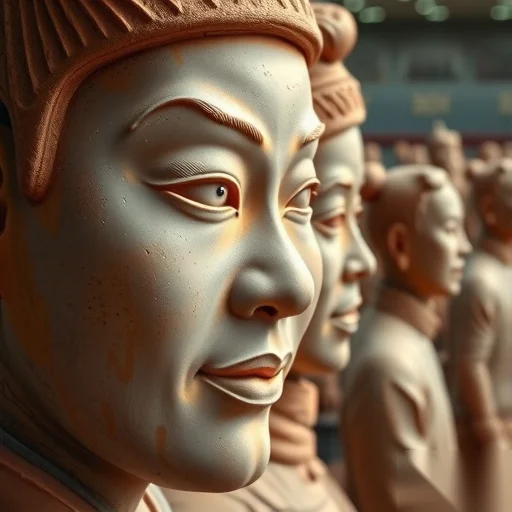
One of the highlights of the visit is the opportunity to see the soldiers up close. Each figure is unique, and the level of detail is astonishing. It’s easy to spend hours photographing and studying the different faces and expressions.




The guided tour was worth every penny. It gave me a deeper understanding of the history and the significance of the site.
I visited the Terracotta Army last year, and this guide helped me plan my trip perfectly. I didn’t miss anything and learned a lot!
I would recommend bringing a notebook to jot down interesting facts and details you see along the way.