
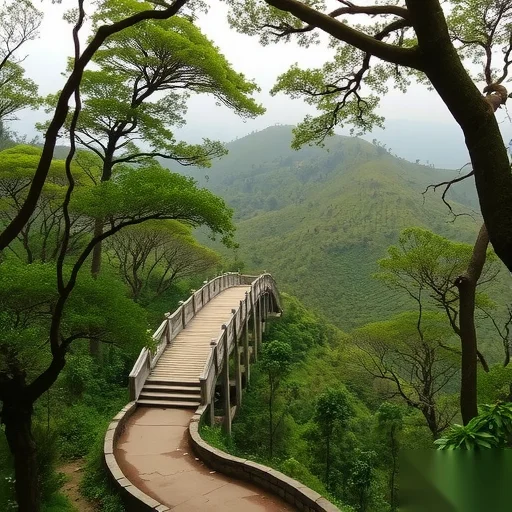
If you’re planning a trip to the Tea Horse Ancient Road, you’re probably wondering: *How can I make the most of this historic route without getting lost or missing the key experiences?* The answer is simple: plan ahead, choose the right route, and pack wisely. The Tea Horse Ancient Road, a legendary trade route that once connected China’s southwestern regions with Tibet, is now a popular destination for adventure seekers and history enthusiasts. But with its rugged terrain, unpredictable weather, and cultural depth, it’s easy to feel overwhelmed. This guide will walk you through everything you need to know to plan an unforgettable Tea Horse Ancient Road trip.
The first step in planning your trip is understanding the route. The Tea Horse Ancient Road was not a single path but a network of trails that stretched across Yunnan, Sichuan, and Tibet. These routes were used for centuries to transport tea and horses, and today, they offer breathtaking landscapes, ancient temples, and rich cultural heritage. However, the road is not for the faint-hearted. Many sections are unpaved, and the altitude can be high, so it’s important to choose a route that suits your fitness level and travel experience.
Next, research the different segments of the Tea Horse Ancient Road. The most popular routes include the ancient trails from Kunming to Shangri-La, the Yunnan-Tibet border crossings, and the historic town of Muli. Each route has its own unique charm and challenges. For example, the Kunming-Shangri-La route is more accessible and offers a mix of cultural sites and natural beauty, while the Yunnan-Tibet border route is more remote and requires more preparation. If you’re a first-time traveler, start with a shorter, well-marked trail to get a feel for the terrain and culture.
Once you’ve chosen your route, it’s time to plan your logistics. Transportation is a key consideration. You can travel by bus, motorcycle, or even on foot, but each option has its pros and cons. Buses are the most convenient but may not reach all the remote areas. Motorcycles offer more flexibility but require a good level of skill. Walking, while the most immersive, is the most physically demanding. Additionally, consider the season. The best time to visit is between April and October, when the weather is mild and the trails are accessible. Avoid the rainy season, as the roads can become dangerous and difficult to navigate.
Packing the right gear is another essential step. You’ll need sturdy hiking boots, warm clothing for the high altitudes, and a good-quality backpack. It’s also wise to bring enough food and water, as some parts of the route may not have easy access to stores. A first-aid kit, navigation tools, and a reliable map are must-haves. If you’re planning to stay overnight, research the available accommodations, which range from guesthouses to traditional yurt camps.
To give you a better idea, let’s look at a real example. A group of travelers from Beijing decided to explore the Kunming-Shangri-La route. They started in Kunming, took a bus to Lijiang, and then rented a motorcycle to reach the remote villages. Along the way, they visited ancient tea houses, met local Tibetan families, and even participated in a traditional tea ceremony. Their trip was a mix of adventure and cultural immersion, and they returned with a deeper appreciation for the history and beauty of the Tea Horse Ancient Road.
One of the biggest challenges of the Tea Horse Ancient Road is the unpredictability of the environment. Weather can change rapidly, and the terrain can be unforgiving. It’s important to stay flexible and be prepared for unexpected situations. If you’re unsure about the route, consider hiring a local guide who can provide valuable insights and ensure your safety.
Another thing to keep in mind is the cultural significance of the route. The Tea Horse Ancient Road was not just a trade route; it was a cultural bridge that connected different communities. As you travel, take the time to learn about the local customs, traditions, and history. Visiting monasteries, attending local festivals, and interacting with the people you meet can greatly enrich your experience.
In conclusion, planning a Tea Horse Ancient Road trip requires careful preparation, but the rewards are well worth the effort. By choosing the right route, packing appropriately, and embracing the culture, you can create a memorable journey that blends adventure, history, and natural beauty. Whether you’re hiking through ancient trails or riding alongside yaks, the Tea Horse Ancient Road offers a unique opportunity to connect with the past and explore one of China’s most fascinating landscapes.

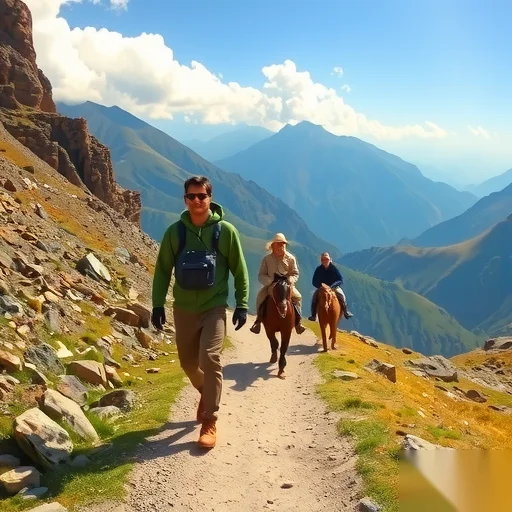

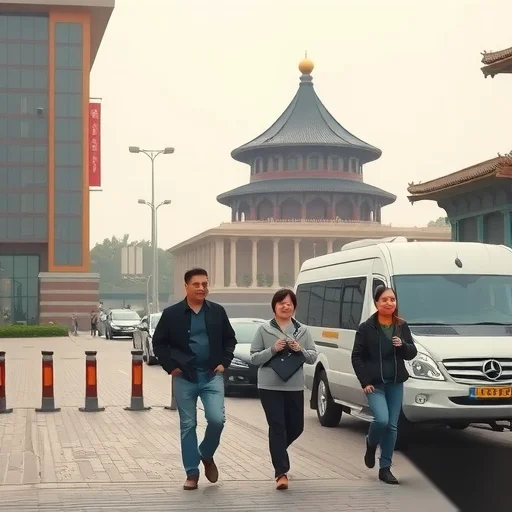

The imagery in the article really brings the route to life. I’m inspired to plan my own adventure along this ancient path.
This sounds like an incredible journey through history and nature. I can’t wait to experience the beauty of the Tea Horse Ancient Road!