

Kanas Lake, known as the “Paradise on Earth,” is a dream destination for photographers. However, capturing its beauty requires more than just a camera—it needs strategy, timing, and an understanding of light and composition. This guide will show you how to take stunning photos at Kanas Lake, whether you’re a beginner or an experienced traveler.

The key to great photos at Kanas Lake lies in knowing when and how to shoot. The lake’s beauty changes with the seasons and time of day. Early mornings and late afternoons offer the soft, golden light that enhances the colors of the landscape. During winter, the frozen lake and snow-covered forests create a magical, almost surreal scene. In summer, the vibrant greenery and wildflowers add a lively contrast. Understanding these seasonal changes helps you plan your shots better.

To make the most of your visit, it’s essential to plan your trip around the best times for photography. Spring (April to June) is ideal for capturing blooming wildflowers and the lake’s clear waters. Summer (July to August) offers long daylight hours and lush landscapes, perfect for wide-angle shots. Autumn (September to October) brings fiery red and gold leaves, adding dramatic color to your photos. Winter (November to March) is best for capturing the lake’s frozen surface and snowy scenery, though you’ll need to be prepared for colder temperatures.

When you arrive at Kanas Lake, take a few minutes to scout the area. Look for unique vantage points that offer different perspectives. The lake’s eastern shore is one of the most popular spots, especially in the early morning when the light is soft and the sky is clear. The western shore, on the other hand, offers a more secluded and tranquil atmosphere. Don’t forget to check the surrounding trails for hidden viewpoints or unique rock formations that can add depth to your photos.
In addition to location, your camera settings will play a big role in the quality of your photos. Use a low ISO to reduce noise, a wide aperture (f/8 to f/16) to keep everything in focus, and adjust your shutter speed based on the lighting conditions. A tripod is essential for long exposures, especially during sunrise or sunset when the light is low.

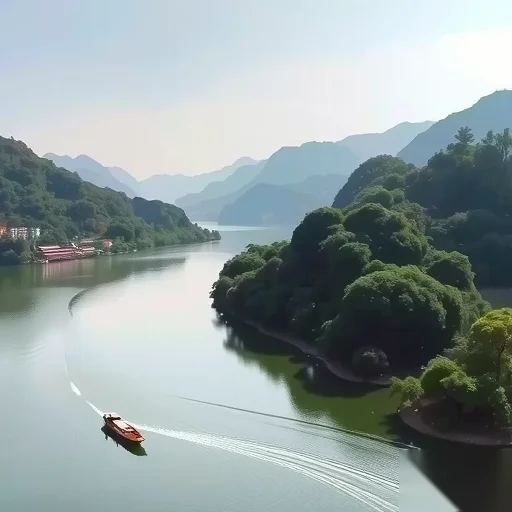
Let’s take a look at a real example. On a sunny morning in early summer, a traveler arrived at Kanas Lake with a DSLR camera and a tripod. They set up at the eastern shore, using a wide-angle lens to capture the vast expanse of the lake. They adjusted their settings to capture the soft morning light and used a slow shutter speed to create a gentle blur in the water. The resulting photo showed the lake’s mirror-like surface and the dramatic mountain backdrop, making it a standout shot.

Photographing Kanas Lake is not just about taking pictures—it’s about capturing the essence of a place that feels almost otherworldly. Whether you’re shooting landscapes, wildlife, or the daily life of the local people, the key is to be patient, observant, and willing to experiment.


This guide is so helpful! I followed the tips and got some amazing photos of Kanas Lake. Thanks for sharing!
The advice on camera settings and tripod use was really useful. I never thought about adjusting my shutter speed like that!
I love the image of the sunrise over the lake—it’s exactly the kind of shot I want to capture!