
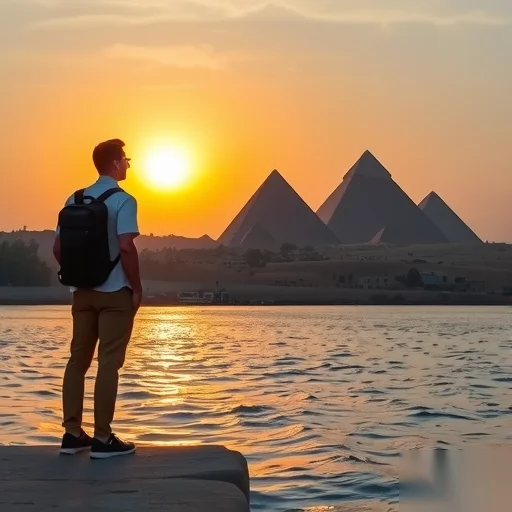
Going on a trip to Egypt doesn’t have to be complicated. With the right planning, you can experience the ancient wonders of the Nile, the vibrant markets of Cairo, and the breathtaking beauty of Luxor and Aswan. This guide will help you create a seamless and unforgettable Egypt itinerary, covering everything from visa requirements to cultural etiquette and must-see attractions. Whether you’re a first-time traveler or looking to refine your plan, this is your go-to resource for a smooth and enriching journey.
Before you start planning your Egypt trip, it’s essential to understand the basics. Egypt is a country rich in history and culture, but it also has unique travel requirements. First, ensure you have the correct visa. Most nationalities can apply for a visa on arrival, but it’s always wise to check the latest requirements before departure. Once you’re in Egypt, you’ll need to consider transportation options, accommodation, and the best time to visit. The best time to travel is between October and April, when the weather is cooler and more comfortable for exploring the outdoors.
When planning your itinerary, start by deciding which regions you want to visit. Cairo is a must-see, offering the iconic Pyramids of Giza, the Egyptian Museum, and the stunning Islamic Cairo. From there, consider a Nile River cruise to Luxor, where you can explore the Valley of the Kings and the Karnak Temple. Aswan is another highlight, known for its Philae Temple and the beautiful Nubian village of Abu Simbel. If you have time, a short trip to Sinai or the Red Sea coast can add a refreshing contrast to your journey.
To make the most of your time, it’s important to plan your days carefully. Start with Cairo, spending at least two days to fully explore the major attractions. Then, embark on a Nile cruise, which typically takes 3-5 days, giving you time to visit Luxor and Aswan. For those with limited time, a 7-day itinerary focusing on Cairo and the Nile can still provide a rich and rewarding experience.
Cultural etiquette is another key aspect of traveling in Egypt. Dress modestly, especially when visiting religious sites, and be respectful of local customs. It’s also important to be mindful of the local language and use a translation app if needed. Learning a few basic Arabic phrases can go a long way in building connections with locals.
One of the most popular routes is the 7-day Cairo-Luxor-Aswan tour. Start with a day in Cairo, visiting the Pyramids of Giza and the Egyptian Museum. On the second day, take a felucca ride on the Nile and explore Islamic Cairo. The third day is dedicated to a Nile cruise, arriving in Luxor by evening. In Luxor, visit the Valley of the Kings and the Karnak Temple. The fourth day includes a day trip to the West Bank, and the fifth day is spent in Aswan, exploring the Philae Temple and the Nubian village. The sixth day is free for relaxation or additional sightseeing, and the seventh day is for departure.
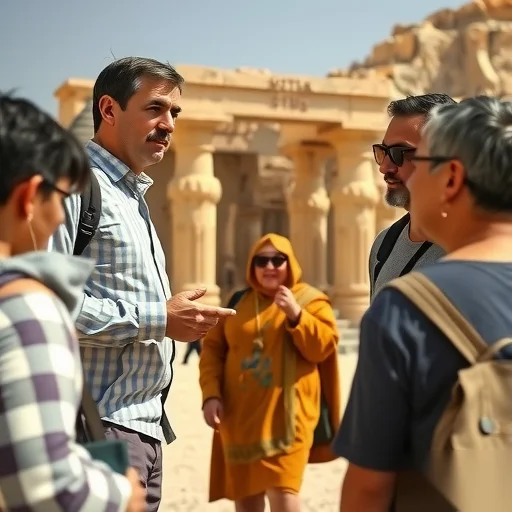
For those with more time, a 14-day itinerary can include a visit to the Sinai Peninsula, such as Mount Sinai or the Dead Sea. This allows for a more comprehensive exploration of Egypt’s diverse landscapes and cultures. Additionally, consider booking a private guide or joining a small group tour to gain deeper insights into the history and significance of the sites you visit.





The visa information was a lifesaver. I didn’t know I could get a visa on arrival, but it saved me a lot of hassle.
I’m planning a trip next month and this article gave me a clear structure. The image of the Nile at sunset made me even more excited!
This guide was super helpful! I followed the 7-day plan and had an amazing time in Egypt. The tips on cultural etiquette were especially useful.