
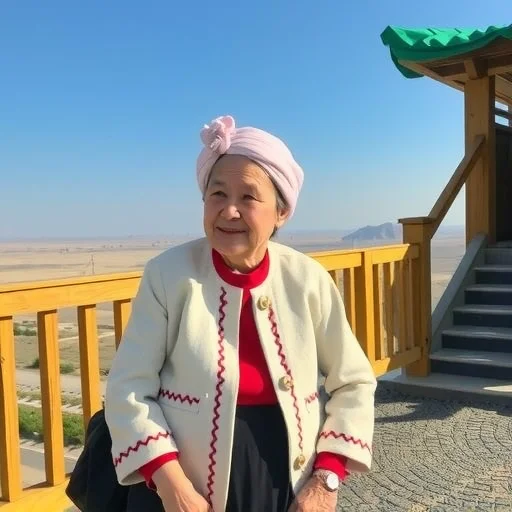
Traveling to Xinjiang with elderly family members can be a dream come true, but it also comes with its own set of challenges. The key to a successful trip lies in careful planning, understanding the unique needs of older travelers, and choosing the right routes and activities. This guide will provide you with a clear roadmap to ensure your elderly loved ones enjoy a safe, comfortable, and unforgettable journey through Xinjiang.
Xinjiang is a vast and beautiful region, known for its diverse landscapes, rich cultural heritage, and warm hospitality. However, for elderly travelers, the journey can be physically demanding due to long distances, altitude changes, and varying weather conditions. It’s essential to take these factors into account when planning the trip. By preparing in advance and making thoughtful decisions, you can create an experience that is both enriching and stress-free for your elderly companions.
Before setting off, it’s important to assess the physical condition of your elderly travelers. Some may have mobility issues, while others may require special medical attention. Make sure to bring necessary medications and have a list of emergency contacts. It’s also wise to consult with a doctor before the trip to ensure that all health concerns are addressed. Additionally, consider the travel duration and pace. Xinjiang is a large region, so it’s best to plan a shorter itinerary that allows for rest and relaxation.
Choosing the right mode of transportation is another crucial factor. While driving can be an exciting way to explore, it may not be suitable for all elderly travelers. Renting a private vehicle or hiring a local guide can offer greater comfort and flexibility. Public transportation, such as buses or trains, may be less convenient, especially for those with limited mobility. If you’re traveling by plane, make sure to book seats with extra legroom and check with the airline about accessibility options.
Accommodation is another area that requires careful consideration. Look for hotels or guesthouses that are equipped with elevators, accessible bathrooms, and other amenities that cater to elderly guests. It’s also a good idea to stay in areas with easy access to medical facilities and pharmacies. Many hotels in Xinjiang offer services tailored to older travelers, so don’t hesitate to ask for recommendations.
When planning the itinerary, focus on destinations that are easy to reach and offer a mix of cultural and natural experiences. Cities like Urumqi, Kashgar, and Turpan are excellent starting points, as they are more accessible and have a range of activities suitable for older travelers. Avoid high-altitude areas like the Pamir Mountains or the Tianshan range unless your elderly companions are physically prepared. Instead, opt for scenic spots that are not too far from the cities, such as the Grape Valley in Turpan or the Karez Water System in Yarkand.
Dining is an essential part of any travel experience, and it’s important to choose restaurants that offer a variety of meal options. Many local eateries in Xinjiang serve traditional Uyghur dishes, which are flavorful but may not be suitable for everyone. Look for restaurants that provide vegetarian or low-sodium options, and don’t hesitate to ask for modifications. It’s also a good idea to bring some familiar foods from home to ensure that your elderly travelers have something they can eat comfortably.
Safety should always be a top priority. Make sure to keep your elderly travelers hydrated, especially in the hot summers of Xinjiang. Carry a reusable water bottle and encourage them to drink water regularly. In colder months, dress in layers to stay warm. It’s also important to monitor their energy levels and encourage them to take breaks when needed. Avoid overexertion, and be mindful of their physical limits.
One of the best ways to ensure a stress-free trip is to travel with a local guide who is familiar with the region and can help with navigation, language barriers, and cultural insights. A guide can also assist with any unexpected situations, such as delays or health issues. Many tour agencies offer specialized tours for elderly travelers, which include comfortable transportation, meals, and activities tailored to their needs.
To illustrate the benefits of careful planning, consider the case of Mr. and Mrs. Li, a couple in their late 70s who traveled to Xinjiang with their daughter. They had a detailed itinerary that included a mix of cultural sites and leisure activities. They stayed in a hotel with elevators and accessible rooms, and they hired a local guide who helped them navigate the city and provided insights into the local culture. They visited the Karez Water System in Yarkand, which is a UNESCO World Heritage Site, and enjoyed the beautiful landscapes of the Turpan Basin. The trip was a success, and they returned home with wonderful memories and a deeper appreciation for Xinjiang.
In summary, traveling to Xinjiang with elderly family members is a rewarding experience that requires thoughtful planning and attention to detail. By focusing on comfort, safety, and accessibility, you can create a memorable journey that allows your elderly loved ones to explore this beautiful region without unnecessary stress.

A safe and comfortable Xinjiang trip for elderly travelers is achievable with proper planning.
XinjiangTourism#


This guide was very helpful. I made sure to book accessible hotels and plan our trip carefully. My elderly parents loved the experience.
I followed the advice and had a stress-free trip. The local guide was amazing and made our time in Xinjiang unforgettable.
I’m planning a trip with my grandparents and this guide gave me all the information I needed. It’s very detailed and practical.
Traveling with my parents to Xinjiang was a dream come true. We followed this guide and had a wonderful time. The hotels were great, and the local guide made everything easy.
The tips on transportation and accommodation were especially useful. I feel confident about taking my parents to Xinjiang now.