
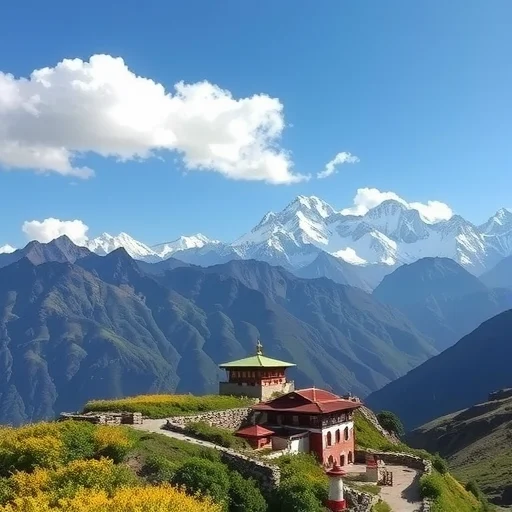
Traveling to Tibet can be a life-changing experience, but it’s also one of the most complex and challenging trips you’ll ever take. With its high altitude, unpredictable weather, and strict regulations, many travelers feel overwhelmed before even stepping onto the plane. The good news? With the right preparation and planning, you can ensure a safe, comfortable, and unforgettable journey. This guide will walk you through everything you need to know to plan your perfect Tibet travel itinerary, from visa requirements to must-see destinations and practical tips for a smooth trip.
Tibet is a unique and breathtaking region, but it’s not for the faint of heart. The altitude can cause altitude sickness, the weather can change rapidly, and there are strict rules about where you can go and how you can travel. That’s why careful planning is essential. The key to a successful trip lies in understanding the basics of Tibetan travel, preparing in advance, and following local guidelines. By taking these steps, you can avoid common pitfalls and make the most of your time in this incredible part of the world.
First, you’ll need to secure a Tibet Travel Permit, which is required for all foreign visitors. This permit is not something you can just apply for on your own—it must be arranged through an authorized agency. Make sure to choose a reputable travel company that has experience with Tibet tours. Once you have your permit, you’ll need to book your flights and arrange transportation to Lhasa, the capital of Tibet. The flight from Chengdu or Kathmandu to Lhasa is the most common entry point, but there are also options from other cities like Beijing and Shanghai.
Next, you’ll want to plan your itinerary based on your interests and travel pace. Tibet is vast, and many of its most famous attractions are spread out, so it’s important to know how much time you have. Most travelers spend at least 10 days in Tibet, but you can extend your trip to 15 or even 20 days if you want to explore more. Popular routes include the Lhasa–Nyingchi–Gyantse–Shigatse–Lhasa loop, which covers the most iconic sights. If you’re looking for a shorter trip, the Lhasa–Shigatse–Lhasa route is a great option that allows you to see the highlights without spending too much time on the road.
One of the most important things to consider is altitude sickness. Tibet sits at an average elevation of 4,000 meters, and the thin air can cause symptoms like headaches, dizziness, and fatigue. To minimize the risk, it’s best to spend a day or two in Lhasa to acclimatize before heading to higher altitudes like Mount Everest or the Tiger Leaping Gorge. You can also take altitude sickness medication, stay hydrated, and avoid alcohol and heavy meals. If you feel unwell, don’t push yourself—rest and seek medical help if necessary.
Another key factor is the weather. Tibet has a unique climate, with cold winters and warm summers. The best time to visit is from April to October, when the weather is more stable and the roads are open. However, even during this period, conditions can change quickly, so it’s a good idea to pack layers and be prepared for sudden weather shifts. You’ll also need to bring a good quality jacket, comfortable hiking shoes, and a reusable water bottle.
When it comes to local culture, it’s important to respect the traditions and customs of the Tibetan people. Tibet is a Buddhist region, and many of its people follow strict religious practices. Be mindful of your behavior in temples and monasteries, and avoid touching religious artifacts. It’s also a good idea to learn a few basic Tibetan phrases, as not everyone speaks fluent English.
One of the most rewarding experiences in Tibet is visiting the Potala Palace, the ancient seat of the Dalai Lama. Located in Lhasa, this UNESCO World Heritage Site is a must-see for any traveler. Another highlight is the Tiger Leaping Gorge, a stunning natural wonder carved by the Yangtze River. For those who enjoy hiking, the Everest Base Camp trek is an unforgettable adventure that offers breathtaking views of the world’s highest mountain.
To give you a better idea of what a typical Tibet itinerary might look like, let’s take a sample 10-day trip. Day 1: Arrive in Lhasa and spend the day acclimating. Day 2: Visit the Potala Palace and Jokhang Temple. Day 3: Travel to Nyingchi and visit the Panchen Lama Temple. Day 4: Explore the Namtso Lake and return to Lhasa. Day 5: Head to Gyantse and visit the Tiger Mound and Gyantse Fortress. Day 6: Travel to Shigatse and visit the Shaolin Monastery. Day 7: Visit the Monpa Village and return to Lhasa. Day 8: Take a day trip to the Sera Monastery. Day 9: Explore the Barkhor Street and local markets. Day 10: Depart from Lhasa. This itinerary allows you to experience the highlights of Tibet without rushing too much. Traveling to Tibet requires careful planning, but with the right preparation, it can be an unforgettable journey.
TibetItinerary#

The information on permits and entry requirements was exactly what I needed. I was worried about the process, but the guide made it clear and straightforward.
This guide covered everything I needed to know. I’m excited to start planning my trip and can’t wait to experience Tibet for myself.
The article was very helpful. I now feel more confident about planning my Tibet trip. I especially liked the sample itinerary and the tips on altitude sickness.
The tips on packing and weather were practical. I didn’t know about the altitude sickness medication, so that was a great addition.
I appreciate the emphasis on respecting local culture. It’s important to be mindful when visiting such a unique and sacred region.