
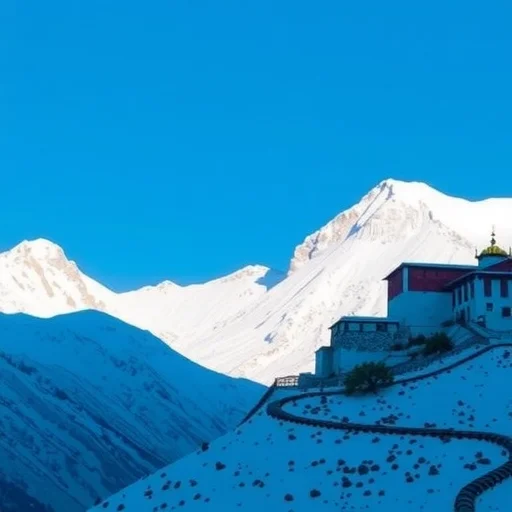
Winter travel to Tibet is often seen as a challenge, but with the right preparation, it can be one of the most rewarding experiences of your life. This guide will walk you through the best time to visit, essential packing tips, and how to make the most of your trip during the colder months.
Tibet is a place of unparalleled natural beauty, rich cultural heritage, and spiritual significance. However, visiting during winter requires careful planning to ensure a safe and enjoyable experience. The cold, high altitude, and limited road access can make travel more difficult, but with the right approach, you can still enjoy the region’s unique charm. The key to a successful winter trip to Tibet lies in understanding the climate, preparing adequately, and choosing the right routes and activities.
One of the biggest challenges of winter travel to Tibet is the extreme cold. Temperatures can drop below freezing, especially at night, and the thin air at high altitudes can make it harder to breathe. This means that proper clothing is essential. You should pack layers, including a warm base layer, a windproof middle layer, and a waterproof outer shell. Thermal gloves, thick socks, and a high-quality insulated jacket are a must. It’s also important to bring a good-quality sleeping bag rated for sub-zero temperatures.
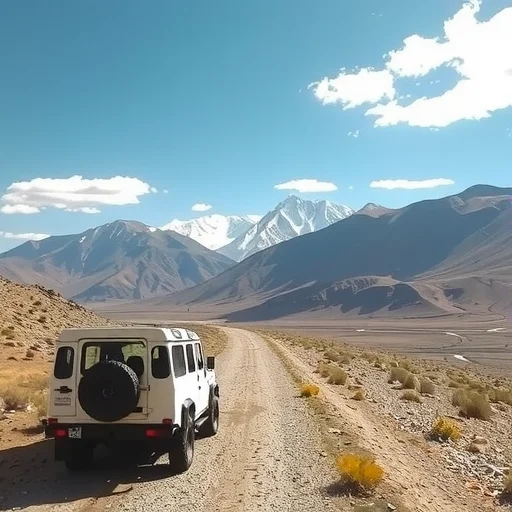
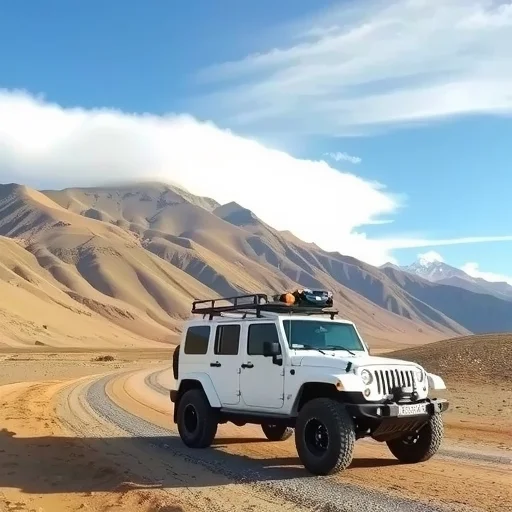
Another important consideration is the road conditions. Many roads in Tibet are closed during the winter months due to heavy snowfall, which can make travel difficult or even dangerous. Before planning your trip, check the road conditions and make sure you’re traveling on routes that remain open. Popular routes like the Qinghai-Tibet Highway and the Sichuan-Tibet Highway are usually open, but it’s always wise to confirm with local travel agencies or official sources.
Accommodation can also be a challenge in winter. Many hotels and guesthouses in Tibet close during the off-season, so it’s best to book in advance. If possible, stay in larger cities like Lhasa or Shigatse, where there are more options and better facilities. If you’re planning to visit remote areas like Mount Kailash or Lake Manasarovar, make sure to arrange your accommodations well in advance and consider hiring a local guide.
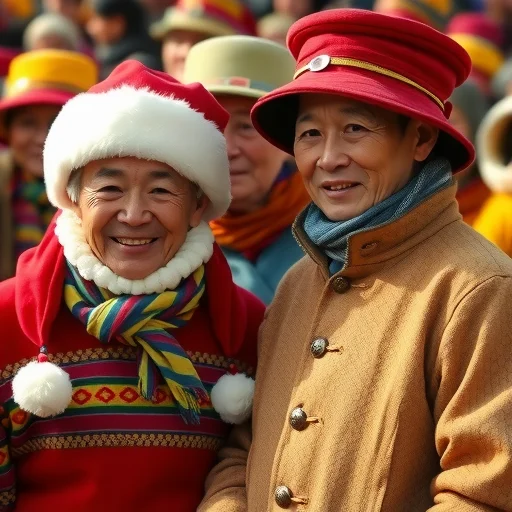
Despite the challenges, winter travel to Tibet offers unique rewards. The clear skies and minimal crowds allow for stunning views of the snow-capped mountains, ancient monasteries, and sacred lakes. It’s also a great time to experience local festivals, such as the Tibetan New Year, which is celebrated with great enthusiasm during this period. Additionally, the quieter atmosphere makes it easier to connect with the local culture and enjoy a more peaceful travel experience.
To make the most of your winter trip, consider planning a shorter itinerary that focuses on the most accessible and scenic areas. A typical route might include Lhasa, the Potala Palace, and the Jokhang Temple, followed by a visit to the Lake Namtso region. If you’re up for a challenge, you could also consider a pilgrimage to Mount Kailash, but be sure to do your research and prepare accordingly.
A real example of a successful winter trip is a group of travelers who visited Tibet in early February. They stayed in Lhasa for the first few days, exploring the city’s landmarks and acclimating to the altitude. From there, they traveled to the Lake Namtso area, where the snow-covered landscapes were breathtaking. They also took a short trip to the Mount Kailash region, guided by a local expert who provided valuable insights into the region’s culture and history. Their trip was well-planned, and they were able to enjoy the beauty of Tibet without any major issues.
In addition to planning and preparation, it’s important to stay flexible and be ready to adapt to changing conditions. Weather can be unpredictable, and road closures may occur unexpectedly. Having a backup plan and being prepared to adjust your itinerary can make all the difference. It’s also a good idea to carry a first-aid kit, stay hydrated, and avoid overexertion to prevent altitude sickness.
Finally, be respectful of the local culture and environment. Tibet is a sacred land, and visitors should be mindful of local customs and traditions. Dress modestly, especially when visiting monasteries and religious sites, and be respectful of the local people and their way of life. By doing so, you’ll not only have a more meaningful travel experience but also contribute to the preservation of Tibet’s unique heritage. Winter travel to Tibet offers unique beauty and cultural experiences.
WinterTravel#

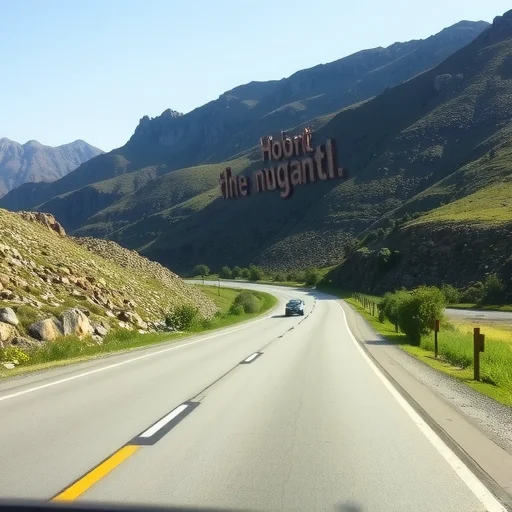
The winter trip to Tibet was a once-in-a-lifetime experience. The landscapes were breathtaking, and the local culture was rich and welcoming. I would definitely recommend it to anyone who loves adventure.
I was worried about the cold, but with proper preparation, it was manageable. The clear skies made the views even more stunning. Highly recommend planning a winter trip to Tibet.
The guide was very helpful, and the itinerary was well-organized. We had a great time exploring the natural beauty and cultural sites of Tibet during the winter months.
I was surprised by how much I enjoyed the quietness of Tibet in winter. It was a peaceful and unforgettable journey.