


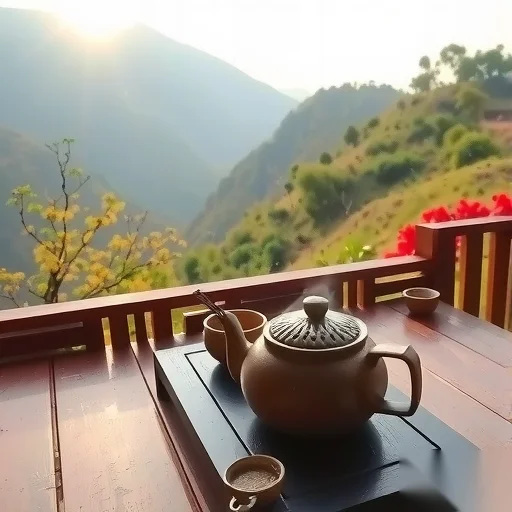
Traveling to Wuyi Mountain, Fujian, can be a dream come true for nature lovers and cultural enthusiasts alike. However, if you’re unsure where to start or how to plan an effective self-guided trip, this guide is here to help. Wuyi Mountain is renowned for its breathtaking natural landscapes, rich tea culture, and historical sites. But without a clear plan, it’s easy to miss the best parts of the journey. The key to a successful self-guided tour lies in understanding the region’s unique features, planning your route efficiently, and immersing yourself in the local culture. Whether you’re a first-time visitor or a returning traveler, this guide will equip you with all the necessary information to make the most of your trip.
Before you begin your journey, it’s important to understand what makes Wuyi Mountain a must-visit destination. Located in northern Fujian, Wuyi Mountain is a UNESCO World Heritage Site, recognized for its natural beauty and cultural significance. The area is famous for its tea plantations, especially the world-renowned Wuyi rock tea, as well as its ancient temples, scenic trails, and traditional villages. However, the sheer size of the mountain range and the variety of attractions can be overwhelming. Without proper planning, you might end up spending too much time on less interesting areas or missing out on key experiences. The solution is to create a well-structured itinerary that balances natural exploration, cultural immersion, and relaxation.
Planning a self-guided tour requires a clear understanding of your interests and time constraints. If you’re a nature lover, prioritize the scenic trails like the Nine Bend Stream and the Tiger’s Head Rock. If you’re more interested in history and culture, visit the ancient tea villages and temples such as the Baiyun Temple. It’s also essential to consider the weather and season. Wuyi Mountain is best visited between March and May or September and November, when the weather is mild and the tea plantations are in full bloom. During the winter months, the mountain can be quite cold, and some trails might be closed. Additionally, be prepared for the physical demands of hiking, as some routes involve steep climbs and long distances. Packing appropriate clothing, comfortable shoes, and a reusable water bottle will ensure you’re ready for any challenge.
To make the most of your self-guided tour, start by booking your accommodation in advance. Wuyi Mountain offers a range of options, from budget-friendly guesthouses to luxury hotels. Staying in a local village like Dali or Shihua allows for a more authentic experience and easier access to nearby attractions. Once you’re settled, plan your daily routes based on your interests and energy levels. For example, a typical day might involve a morning hike to a scenic viewpoint, followed by a visit to a tea plantation in the afternoon, and ending with a relaxing evening in a traditional tea house. Be sure to allocate enough time for each activity to avoid rushing through the experience.
One of the best ways to explore Wuyi Mountain is by following a well-known route like the Nine Bend Stream, which is considered one of the most scenic trails in the area. This 10-kilometer path winds through lush forests, offers stunning views of the mountain, and passes by several tea plantations. Along the way, you can stop at local tea houses to sample the famous Wuyi rock tea, which is known for its unique flavor and aroma. Another popular route is the Tiger’s Head Rock, which provides panoramic views of the surrounding mountains and valleys. If you’re up for a more challenging hike, the Zhangjiajie-style rock formations and the Dragon’s Back Trail offer a mix of natural beauty and physical activity.
For those who prefer a more relaxed pace, Wuyi Mountain also offers boat tours along the Nine Bend Stream. These cruises provide a different perspective of the mountain, allowing you to admire the scenery from the water. The boat ride is especially popular in the early morning or late afternoon when the light is soft and the mist rises from the valley. Whether you choose to hike or take a boat, these experiences will give you a deeper appreciation of Wuyi Mountain’s natural beauty.
In addition to the natural attractions, Wuyi Mountain is also home to several cultural sites that are worth visiting. The Baiyun Temple, one of the oldest temples in the area, is a must-see for history enthusiasts. The temple’s architecture reflects traditional Chinese design, and it offers a peaceful atmosphere for reflection. Another highlight is the



The article gave me a great idea for my next trip to Wuyi Mountain. I love the idea of exploring the terraced fields and ancient pine trees on my own.
I’ve always wanted to experience the local tea culture, and this guide makes it sound like an unforgettable journey through nature and tradition.