

Suzhou gardens are not just places to visit—they are living works of art, where every stone, pond, and archway tells a story. If you’re a photography enthusiast looking to capture the soul of these ancient landscapes, this guide will show you how. From understanding the principles of traditional Chinese garden design to mastering the right techniques, we’ll walk you through the steps to take stunning photos that reflect the harmony and beauty of Suzhou’s gardens. Whether you’re a beginner or a seasoned photographer, these tips will help you create images that truly reflect the essence of this cultural treasure.

Understanding the essence of Suzhou gardens is the first step in capturing their beauty. These gardens are designed with a deep respect for nature, using elements like water, stone, and plants to create a sense of balance and serenity. To photograph them effectively, you need to not only appreciate their aesthetics but also understand how they were constructed. The principles of “borrowing scenery” (借景), “framing” (框景), and “layering” (层次) are key to creating compositions that reflect the garden’s harmony. By learning how to incorporate these techniques, you’ll be able to create images that feel immersive and authentic.
When it comes to shooting Suzhou gardens, timing is everything. The best light is often during the early morning or late afternoon, when the sunlight is soft and golden. Avoid midday when the sun is harsh and creates strong shadows. Additionally, consider the weather—misty mornings or light rain can add a magical quality to your photos, enhancing the ethereal feel of the gardens. Don’t forget to take advantage of the changing seasons. Spring brings blooming flowers, while autumn offers a palette of warm colors, each offering a unique visual experience.

Now that you understand the principles and timing, it’s time to plan your shots. Start by scouting the garden to identify key points of interest—such as the main pavilions, bridges, and water features. Use a wide-angle lens to capture the vastness of the space, and switch to a telephoto lens to get closer to details like carved woodwork or intricate stone carvings. Pay attention to the flow of the garden—photographing along the winding paths can create a sense of movement and depth. Don’t forget to experiment with different angles and perspectives. Shooting from a low angle can emphasize the grandeur of a pavilion, while a high vantage point can show the entire garden in one frame.

Let’s look at a real-world example. Imagine you’re visiting the Humble Administrator’s Garden, one of Suzhou’s most famous sites. Begin by photographing the central pond and its surrounding structures. Use a slow shutter speed to capture the gentle movement of water and reflections. Then, move to the nearby pavilions, where you can take advantage of the natural framing provided by the architecture. Capture the interplay of light and shadow as the sun moves across the sky. Finally, end your session with a wide shot that includes the entire garden, highlighting its scale and harmony. By following this approach, you’ll create a series of images that tell a cohesive story about the garden’s beauty.
Photography in Suzhou gardens is not just about capturing images—it’s about immersing yourself in the culture and history of these spaces. By understanding the principles behind their design, timing your shots with the right light, and experimenting with different perspectives, you can create photographs that truly reflect the essence of Suzhou gardens. Whether you’re a local or a visitor, these tips will help you make the most of your time in one of the world’s most beautiful garden cities.
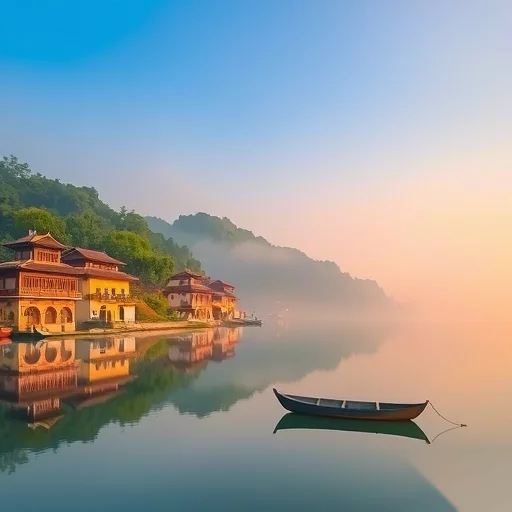


I love the section on the principles of traditional Chinese garden design. It gave me a deeper appreciation for what I was photographing.
This guide was incredibly helpful! I followed the tips and took some amazing photos of the gardens. The advice on light and angles made a huge difference.
The image examples were perfect—they helped me visualize how to compose my shots in the gardens.