


Hiking Wutai Mountain is one of the most rewarding experiences for nature lovers and spiritual seekers alike. However, it can also be overwhelming if you’re not prepared. The key to a successful hike lies in understanding the terrain, planning your route, and preparing properly. This guide will walk you through everything you need to know to hike Wutai Mountain safely and enjoyably, from the best time to visit to the essential gear you should bring.
Wutai Mountain, located in northern China, is one of the Four Sacred Buddhist Mountains and is home to numerous temples, monasteries, and ancient trails. The mountain’s elevation ranges from 1,900 to 3,061 meters, making it a challenging climb that requires both physical and mental preparation. The most popular routes are the Five Peaks Trail and the Temple Trail, each offering a unique experience. However, without proper planning, even the most scenic paths can become dangerous.
Before you start your hike, it’s crucial to research the trail you plan to take. The Five Peaks Trail, for example, is a multi-day journey that covers the five main peaks of the mountain, while the Temple Trail is a shorter, more accessible route that leads to the famous Xuanzang Temple. Each trail has its own difficulty level, elevation gain, and recommended duration. It’s also important to check the weather forecast and avoid hiking during heavy rain or snow, as these conditions can make the paths slippery and dangerous.
Proper preparation is the foundation of a successful hike. Start by packing essential gear such as comfortable hiking shoes, moisture-wicking clothing, a waterproof jacket, and a reliable backpack. You’ll also need enough water, high-energy snacks, and a first-aid kit. Navigation tools like a map, compass, or GPS device are a must, as cell service can be spotty in mountainous areas. Additionally, it’s a good idea to carry a headlamp or flashlight, especially if you plan to hike in the early morning or late afternoon.
One of the most common mistakes hikers make is underestimating the physical demands of the trail. Wutai Mountain’s elevation gain can be steep, and the altitude can cause fatigue, dizziness, or even altitude sickness. To avoid these issues, it’s best to start your hike early in the morning and take frequent breaks to rest and hydrate. If you’re not used to long-distance hiking, consider breaking your journey into shorter segments or hiring a local guide for added safety and insight.
A practical example of a successful hike is the experience of Li Wei, a first-time hiker who followed this guide. He started his journey at dawn, packed all his essentials, and took regular breaks along the Temple Trail. He also used a GPS app to track his progress and stayed hydrated throughout the day. By the time he reached the Xuanzang Temple, he felt a sense of accomplishment and was rewarded with breathtaking views of the surrounding landscape.
In addition to physical preparation, it’s important to be mindful of the cultural and spiritual significance of Wutai Mountain. The mountain is a sacred site for Buddhists, and many of its temples and shrines are open to visitors. When visiting these places, it’s respectful to dress modestly, remove your shoes before entering, and follow any guidelines set by the monks or caretakers. Some temples also offer meditation sessions or prayer wheels, which can enhance your spiritual experience.
Finally, after completing your hike, take time to reflect on your journey. Whether you’re celebrating your achievement or simply enjoying the peace of the mountain, this experience will leave a lasting impression. Wutai Mountain is more than just a destination—it’s a place of growth, reflection, and connection with nature.


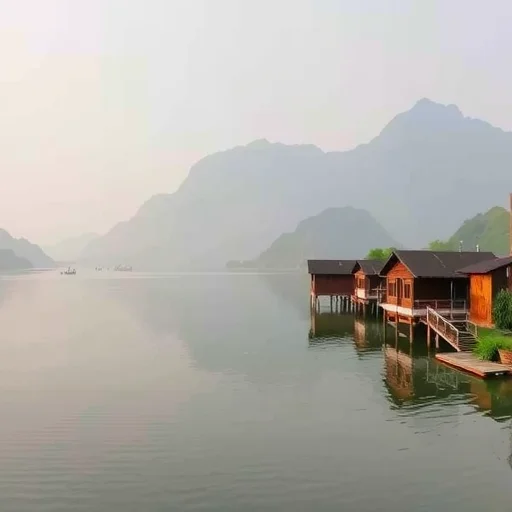
This guide was super helpful! I followed all the tips and had an amazing hike. The photos really added to the experience.
I’m planning a trip to Wutai Mountain soon, and this guide gave me the confidence I needed. Thanks for the detailed advice!
The section on cultural respect was especially insightful. I didn’t know much about the spiritual aspects of the mountain before reading this.