
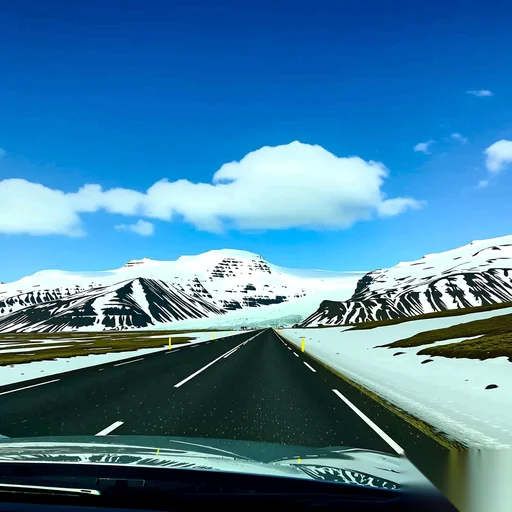
Traveling to Iceland can be a dream come true, but without the right planning, it can quickly turn into a frustrating experience. The key to a successful Iceland trip lies in understanding the unique challenges of the country and preparing accordingly. From unpredictable weather to limited road networks, the best way to ensure a smooth and memorable journey is to plan thoroughly and stay flexible. This guide will walk you through the essential steps to plan your Iceland trip like a pro, so you can enjoy the breathtaking landscapes and natural wonders without stress.
Iceland is known for its dramatic landscapes, from volcanic mountains to glacial lagoons, but it’s also one of the most unpredictable places in the world. The weather can change rapidly, and roads can close due to snow or landslides. This means that travelers must be prepared for the unexpected and have a flexible itinerary. The best approach is to focus on the core elements of your trip: accommodation, transportation, and activities. By prioritizing these, you can ensure that you make the most of your time in Iceland.
Choosing the right time to visit Iceland is crucial. The best months to travel are from April to September, when the weather is more stable and the days are longer. However, even during this period, you should be prepared for sudden weather changes. Winter months offer a unique experience with the Northern Lights, but the roads are often closed, and temperatures can drop below freezing. If you’re planning to see the Northern Lights, consider staying in a remote area with good internet access for real-time updates on weather conditions.
Transportation in Iceland is mostly by car, as there are limited public transport options. Renting a car is the most convenient way to explore the country, but it’s important to choose a reliable rental company and check for any additional fees. Be sure to read reviews and compare prices before booking. Also, remember that driving in Iceland requires a valid driver’s license and a credit card for the deposit. If you’re not comfortable driving, you can opt for guided tours, but these can be more expensive and less flexible.
When planning your activities, focus on the most iconic attractions, such as the Golden Circle, Blue Lagoon, and Jökulsárlón Glacier Lagoon. These sites are well-marked and accessible, but it’s still a good idea to check road conditions before heading out. Many travelers choose to combine their trip with a self-driving tour, which allows for more flexibility and a deeper connection with the landscape. If you’re planning to visit remote areas like the Westfjords or Vatnajökull National Park, ensure that your car is suitable for the terrain and that you have enough fuel.
A great example of a well-planned Iceland trip is one where the traveler starts by researching the best time to visit, then books accommodation in advance, and finally creates a flexible itinerary that includes both must-see attractions and some free time for spontaneous adventures. For instance, a traveler might spend the first few days exploring Reykjavik, then head to the Golden Circle, and finally venture into the Westfjords. Along the way, they check road conditions daily and adjust their plans based on weather updates. This approach ensures that they make the most of their time while staying safe and comfortable.




I followed this guide and it was life-changing! I saw the Northern Lights and explored so many hidden gems. Thank you for the tips!
I rented a car and it was the best decision. The guide made me feel confident about planning my own trip.
The part about checking road conditions daily was so helpful. I had no idea how unpredictable the weather could be!