
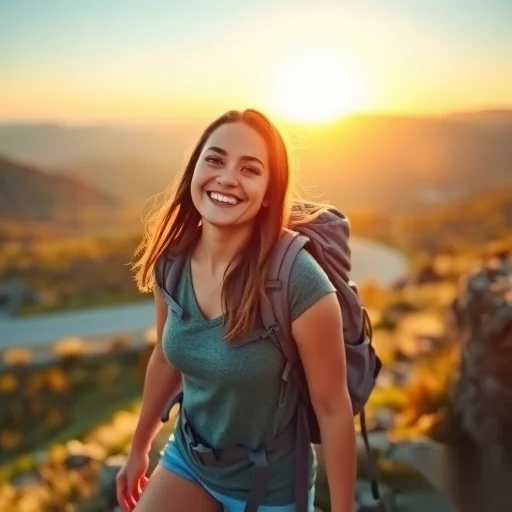
Traveling alone can feel overwhelming, but it’s also one of the most rewarding experiences you can have. Whether you’re a first-time solo traveler or looking to refine your approach, this guide will help you plan your trip with confidence. The key is to focus on preparation, flexibility, and self-awareness. By understanding the basics of solo travel, you’ll be equipped to explore the world on your own terms.
Solo travel is more than just being alone—it’s about embracing independence, discovering new perspectives, and growing through experience. The first step is to ask yourself: What do I want to achieve from this trip? Is it adventure, relaxation, cultural immersion, or self-discovery? Once you have a clear goal, you can tailor your itinerary to match. For example, if you’re seeking adventure, you might plan activities like hiking, snorkeling, or city exploration. If you prefer relaxation, you might choose a beach destination or a cozy mountain retreat.
Planning a solo trip requires careful thought and preparation. Start by choosing a destination that aligns with your interests and budget. Research the local culture, transportation options, and safety tips. It’s also important to book accommodations in advance, especially in popular tourist areas. Look for places that offer a welcoming environment, such as hostels or guesthouses with communal spaces. These can be great opportunities to meet fellow travelers and share experiences.
Once you’ve secured your destination, create a loose itinerary. While it’s important to have a plan, solo travel thrives on flexibility. Allow yourself the freedom to change your mind, explore unexpected places, or take a detour. This openness can lead to some of the most memorable moments of your trip. For example, if you planned to visit a museum but find a local market more interesting, go with it—sometimes the unplanned adventures are the best ones.
Let’s look at a real-life example. Sarah, a 28-year-old graphic designer from Toronto, decided to travel solo to Japan for the first time. She wanted to experience the country’s culture and natural beauty. She spent a month planning her trip, researching the best places to visit, and booking accommodations in advance. She chose a mix of cities and rural areas, including Tokyo, Kyoto, and Hokkaido. Along the way, she met fellow travelers, tried local cuisine, and even learned a few basic Japanese phrases. Her trip was filled with both planned and spontaneous moments, and she returned home with new perspectives and unforgettable memories.
Solo travel can also be a great way to build confidence and independence. When you’re alone, you’re forced to make decisions on your own, navigate unfamiliar situations, and take responsibility for your actions. This can be challenging at first, but it’s also incredibly empowering. You’ll learn to trust yourself, embrace uncertainty, and appreciate the journey rather than just the destination.
One of the most important aspects of solo travel is self-awareness. Be honest with yourself about your comfort level, your goals, and your limitations. If you’re not comfortable with certain situations, don’t push yourself too hard. It’s okay to take things slowly and prioritize your well-being. Solo travel is about growth, not perfection.
Additionally, it’s important to stay connected with friends and family back home. Share your experiences through photos or messages, and don’t hesitate to reach out if you need support. You don’t have to be alone in your journey—having a support system can make a big difference.
In summary, solo travel is a unique and transformative experience that offers freedom, growth, and unforgettable memories. By planning thoughtfully, staying flexible, and embracing the journey, you can create a meaningful and enriching trip. Whether you’re seeking adventure, relaxation, or self-discovery, solo travel can help you achieve your goals and gain a deeper understanding of yourself and the world.





The tips on flexibility and self-awareness are so important. I’ll definitely keep that in mind.
I loved the real-life example of Sarah—it made the advice feel more relatable and realistic.
This guide is exactly what I needed as a first-time solo traveler. It’s practical and easy to follow!