

In today’s world, where more and more people are embracing outdoor activities, mountain hiking has become a popular way to connect with nature. However, with this growing trend comes a pressing issue: how to ensure that our love for the mountains doesn’t harm the environment or disrupt the experience for others. The answer lies in practicing civilized mountain hiking. By following a few key principles and steps, every hiker can contribute to preserving the natural beauty of the mountains while enjoying a safe and respectful journey.
Civilized mountain hiking is not just about following rules—it’s about cultivating a mindset of respect, responsibility, and awareness. When we hike, we are not just visitors; we are stewards of the land. This means being mindful of our impact, minimizing waste, and respecting wildlife and fellow hikers. By doing so, we ensure that future generations can also enjoy the beauty of the mountains without compromising its integrity.
The first step in practicing civilized mountain hiking is to plan your trip responsibly. Research the trail, check the weather, and prepare accordingly. This includes packing the right gear, carrying enough food and water, and informing someone about your route and expected return time. A well-planned hike reduces the risk of emergencies and ensures that you can fully enjoy the experience without unnecessary stress.
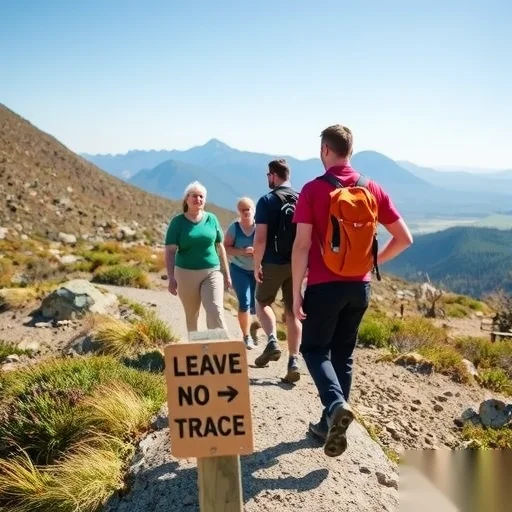
Next, it’s important to follow the Leave No Trace principles. These seven guidelines—plan ahead and prepare, travel and camp on durable surfaces, dispose of waste properly, leave what you find, minimize campfire impact, respect wildlife, and be considerate of other visitors—are the foundation of civilized hiking. By adhering to these principles, you help protect the environment and maintain the natural balance of the ecosystem.
During your hike, always stay on designated trails. Off-trail hiking can damage fragile vegetation and disrupt wildlife habitats. If you do need to take a shortcut, make sure it’s a safe and minimal impact route. Avoid littering, and carry out all trash, including biodegradable items like food scraps. If you have to leave something behind, choose a durable surface like rock or gravel rather than soil or vegetation.
Respecting wildlife is another key aspect of civilized hiking. Never feed animals, as this can alter their natural behavior and make them dependent on humans. Keep a safe distance and use binoculars or cameras to observe wildlife from afar. If you encounter an animal, remain calm and avoid sudden movements. Remember, you are a visitor in their home, and your actions can have long-term consequences.
Finally, be considerate of other hikers. Share the trail by yielding to hikers coming from the opposite direction, and keep noise levels to a minimum to avoid disturbing others. If you’re in a group, stay together and avoid blocking paths. A respectful and mindful approach ensures that everyone can enjoy the trail without conflict or frustration.
To illustrate the impact of civilized hiking, consider the case of a popular hiking trail in the Himalayas. Before the introduction of strict guidelines, the trail was often littered with trash, and wildlife was disturbed by frequent human activity. After implementing a series of rules, including mandatory waste collection and trail maintenance, the area saw a dramatic improvement in its ecological health. Visitors reported a more enjoyable experience, and local wildlife began to return to the area. This example highlights how small, consistent efforts can lead to significant positive changes.




The tips are practical and easy to follow. I especially like the part about being considerate of other hikers—it’s something I’ve struggled with in the past.
I’ve been hiking for years, but this article really opened my eyes to the importance of leaving no trace. I’m going to start bringing a reusable container for my trash from now on.
The Himalayas example was so inspiring. It shows that even small changes can make a big difference. I’ll definitely share this with my hiking group.