

Sri Lanka is a tropical paradise that offers everything from lush rainforests to serene beaches, and from ancient temples to bustling cities. However, its diverse climate and terrain can make it tricky to know what to pack. The good news is that with the right clothing choices, you can enjoy your trip comfortably and stylishly. This guide will help you understand the local weather patterns, dress appropriately for different activities, and avoid common mistakes that could ruin your experience.
Sri Lanka’s climate is generally tropical, with high humidity and temperatures ranging from 25°C to 35°C throughout the year. However, the weather varies significantly between the island’s north and south, as well as between coastal areas and mountainous regions. The country experiences two main monsoon seasons, which can affect the weather in different parts of the island. Understanding these patterns will help you plan your wardrobe accordingly.
When visiting Sri Lanka, it’s important to consider the type of activities you’ll be doing. For example, if you’re planning to hike in the central highlands, you’ll need lightweight, breathable clothing and a waterproof jacket. If you’re spending time on the beaches or in the cities, you can opt for more casual, comfortable outfits. It’s also a good idea to pack a few versatile pieces that can be layered or mixed and matched.
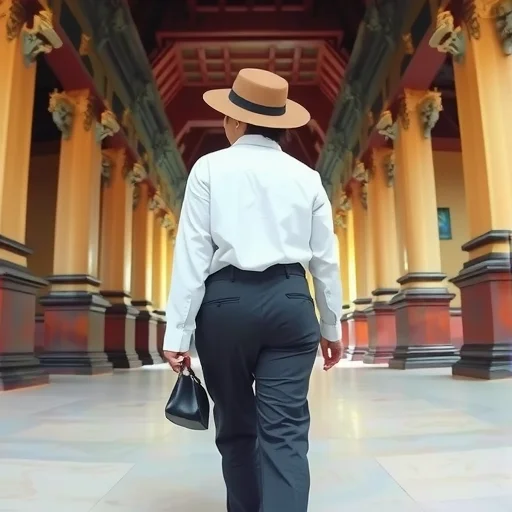
One of the most important things to remember is that Sri Lanka is a conservative country, especially in certain areas. While you can dress casually in tourist areas like Colombo or Negombo, it’s wise to dress modestly when visiting temples, rural villages, or religious sites. This means covering your shoulders and knees, and avoiding revealing clothing. By respecting local customs, you’ll have a more positive experience and avoid unwanted attention.
Packing the right clothing for Sri Lanka is not just about comfort—it’s also about practicality. Here are some key items to include in your suitcase: lightweight long-sleeve shirts, breathable trousers or skirts, a hat for sun protection, comfortable walking shoes, and a light waterproof jacket. You can also bring a few extra layers for cooler evenings, especially if you’re visiting the highlands. It’s also a good idea to bring swimwear and a towel for the beaches, as well as a sarong or shawl for more formal occasions.
Let’s take a look at a real-life example. Suppose you’re planning a 10-day trip that includes visiting the cultural triangle in the south, hiking in the central highlands, and relaxing on the coastal beaches. In this case, you would need to pack a variety of clothing to suit each activity. For the cultural sites, you might wear a long-sleeve shirt and trousers. When hiking, you’d need lightweight, quick-drying clothes and a waterproof jacket. On the beach, you’d switch to swimwear and a sarong. This way, you can easily transition between different environments without overpacking.
Another thing to keep in mind is the importance of hygiene and comfort. Since the weather is warm and humid, it’s best to avoid wearing heavy or tight clothing that can trap heat and cause discomfort. Opt for natural fabrics like cotton or linen, which allow your skin to breathe. Additionally, bring a few essential toiletries, such as insect repellent, sunscreen, and aloe vera gel, to take care of any minor skin irritations.
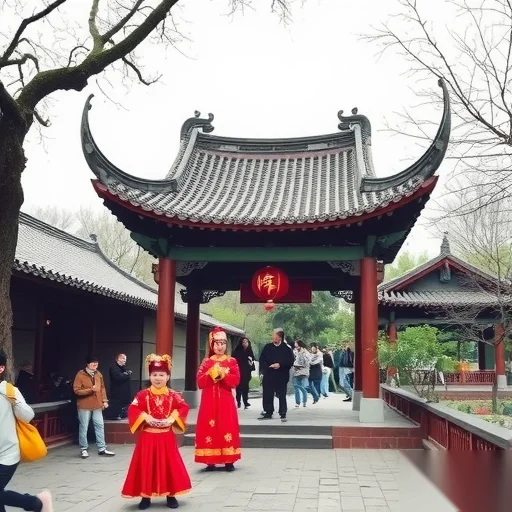
It’s also worth considering the local culture and traditions when choosing your clothing. Sri Lanka is home to a rich cultural heritage, and dressing appropriately can help you connect with the local community. Whether you’re visiting a market in Kandy or attending a traditional festival in Galle, respecting local customs is a great way to show appreciation and make the most of your trip.
Finally, don’t forget to pack a few versatile accessories that can enhance your outfit and protect you from the elements. A wide-brimmed hat, sunglasses, and a reusable water bottle are all essential items for a tropical destination. You might also want to bring a small daypack for carrying your essentials while exploring.


I found this guide very helpful! It made me realize how important it is to pack layers and consider the local culture. I’ll definitely follow these tips on my next trip.
The examples you gave were really useful. I had no idea that certain areas required more modest clothing. This will help me avoid any cultural misunderstandings.