

In Osaka, the weather can be unpredictable, and dressing appropriately is key to enjoying your trip without discomfort. Whether you’re exploring the bustling streets of Dotonbori or relaxing in a traditional ryokan, knowing what to wear can make all the difference. The best approach is to prepare for a variety of weather conditions, layering your clothing to adapt to changes. This guide will help you pack smartly and confidently for your Osaka adventure.
Osaka experiences a temperate climate with four distinct seasons. In spring, temperatures range from 10°C to 20°C, making it a perfect time to visit. Summer is hot and humid, with temperatures often exceeding 30°C, while autumn brings cooler temperatures and pleasant weather. Winter can be quite cold, with temperatures dropping below 5°C. To stay comfortable throughout your trip, it’s essential to pack layers that can be easily adjusted.
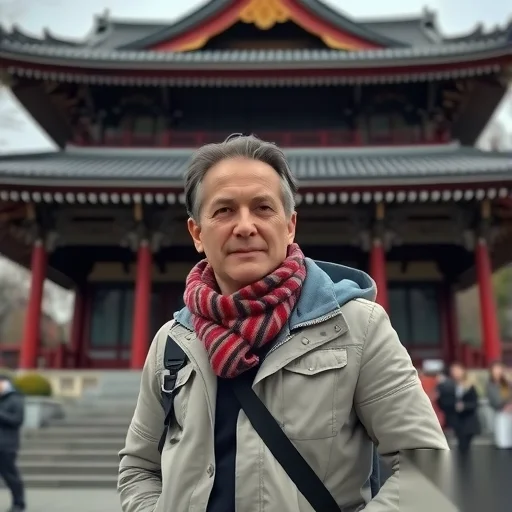
Layering is the secret to staying comfortable in Osaka. Start with a base layer like a t-shirt or thermal top, then add a light sweater or fleece for warmth. A waterproof jacket is a must, especially during the rainy season from June to September. For summer, opt for breathable fabrics like cotton or linen, and don’t forget a wide-brimmed hat and sunglasses to protect yourself from the sun. In winter, a warm coat, scarf, and gloves will keep you cozy.
When planning your outfits, consider the activities you have planned. If you’re visiting temples or historical sites, comfortable shoes are a must. For nightlife in Dotonbori, a stylish outfit with a jacket or sweater can be both practical and fashionable. Don’t forget to pack a reusable shopping bag for grocery shopping or souvenir hunting.
Let’s take a look at a case study. Imagine you’re visiting Osaka in early April, when the weather is mild but unpredictable. You might start your day with a light jacket, but by afternoon, it could turn cooler. Packing a light sweater and a waterproof jacket ensures you’re prepared for any change. In the evening, you can switch to a more stylish outfit for dinner at a local restaurant. This approach allows you to enjoy your trip without worrying about the weather.
Another example is visiting Osaka in August, when the weather is hot and humid. Pack breathable clothing, a wide-brimmed hat, and lightweight shoes. A reusable water bottle is essential to stay hydrated. If you’re planning to visit the Osaka Castle Park, a light sweater might be useful in the evenings when it can get cooler.
For those traveling in winter, a warm coat, scarf, and gloves are essential. A waterproof jacket is also a good idea, as snow can occasionally fall in the region. Don’t forget to bring a pair of warm socks and comfortable boots for exploring the city.
When it comes to accessories, a hat, sunglasses, and a scarf can add both style and functionality to your outfit. A compact umbrella is useful during the rainy season, and a portable phone charger will keep you connected throughout your trip.
In summary, dressing for Osaka involves preparation, flexibility, and comfort. By understanding the local climate and planning your outfits accordingly, you can enjoy your trip without any weather-related stress. Pack layers, choose breathable fabrics, and don’t forget essential accessories like a hat and sunglasses. With the right clothing, you’ll be ready for any weather and any adventure Osaka has to offer.





This guide was super helpful! I never thought about layering for Osaka, but it makes so much sense. Thanks for the tips!
I’m visiting in June, so the rain gear tip was exactly what I needed. I’ll definitely bring a waterproof jacket!
The case study examples made it easier to understand how to pack for different seasons. Great job!