

Zhangjiajie is one of China’s most breathtaking natural wonders, famous for its towering sandstone pillars, lush forests, and the iconic Glass Bridge. However, planning a trip to this UNESCO World Heritage Site can be overwhelming if you don’t know where to start. The key to a perfect Zhangjiajie trip lies in careful planning, understanding the best time to visit, and knowing which attractions to prioritize. This guide will walk you through the essentials of planning your trip, from choosing the right season to packing the right gear, ensuring you make the most of your time in this magical destination.
Zhangjiajie is a destination that requires both time and preparation. With its vast natural landscapes, cultural heritage, and adventure opportunities, it’s easy to feel overwhelmed by the sheer variety of things to see and do. Many visitors struggle with deciding which attractions to visit, how long to stay, and how to get the most out of their trip without spending too much. The answer lies in focusing on the core experiences that define Zhangjiajie: the natural beauty, the cultural significance, and the unique adventures like the Glass Bridge. By prioritizing these elements, you can create a balanced itinerary that covers the highlights without overextending yourself.
The first step in planning your Zhangjiajie trip is to decide on the best time to visit. Zhangjiajie experiences four distinct seasons, each with its own charm. Spring (March to May) is ideal for blooming flowers and mild weather, making it perfect for hiking and exploring the forests. Summer (June to August) brings lush greenery and cool mountain air, but it can also be quite humid and rainy. Autumn (September to November) is the most popular time to visit, with clear skies, vibrant foliage, and comfortable temperatures. Winter (December to February) offers a magical, snowy landscape, though some attractions may be closed for maintenance. Choosing the right season can greatly impact your overall experience, so it’s worth considering your preferences and travel goals before booking.
Next, it’s important to plan your itinerary around the main attractions. The Zhangjiajie National Forest Park is a must-visit, featuring the famous sandstone pillars, the Tianmen Cave, and the Glass Bridge. The park is divided into several sections, each with its own unique features, so it’s best to allocate at least two days to fully explore the area. If you’re interested in history and culture, don’t miss the nearby Wulingyuan Village, where you can experience traditional local life and learn about the indigenous Tujia people. For those seeking adventure, the Zhangjiajie Grand Canyon and the Tianmen Mountain are excellent choices, offering breathtaking views and thrilling hiking trails.
Packing the right gear is another crucial aspect of planning your trip. Comfortable hiking shoes are a must, as many of the trails can be steep and uneven. Lightweight clothing is recommended, especially during the warmer months, while a waterproof jacket can come in handy for sudden rain showers. A reusable water bottle and snacks are also essential, as some areas may have limited facilities. Don’t forget to bring a camera to capture the stunning landscapes, and consider purchasing a local SIM card for easy navigation and communication.
To give you a better idea of how to structure your trip, let’s look at a sample itinerary. Day 1 could be spent exploring the Zhangjiajie National Forest Park, starting with a visit to the Tianmen Cave and the Glass Bridge. Day 2 would focus on hiking through the park’s scenic trails and visiting the Yangjiajie area. Day 3 could include a trip to Wulingyuan Village and a visit to the Zhangjiajie Grand Canyon. Finally, Day 4 would be reserved for relaxation and shopping, allowing you to enjoy the local cuisine and souvenirs before leaving. This balanced approach ensures you have time to explore, rest, and fully immerse yourself in the beauty of Zhangjiajie.
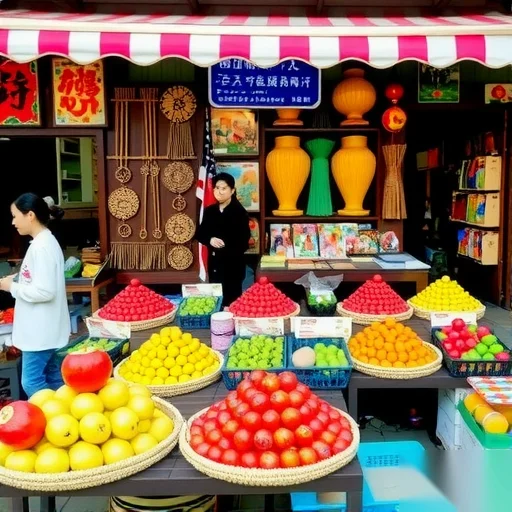
Beyond the natural attractions, Zhangjiajie also offers a rich cultural experience. The local markets are a great place to sample fresh produce, local delicacies, and handcrafted souvenirs. The Tujia people, who have lived in the region for centuries, have a unique culture that you can experience through traditional performances, festivals, and local cuisine. Trying the local dishes, such as the famous Zhangjiajie fish and Tujia-style rice noodles, is a must for any visitor. Exploring the markets and interacting with the locals can add a personal touch to your trip, making it more memorable and authentic.
In addition to the natural and cultural highlights, Zhangjiajie



I’ve heard so much about the sandstone pillars and forests, but I never knew there was a Glass Bridge. This guide is exactly what I needed to plan my trip!
Zhangjiajie is absolutely stunning! The Glass Bridge looks incredible – I can’t wait to visit and see it in person.