
If you’re planning a trip to the North Slope, you’re probably asking: *How can I plan a perfect North Slope trip?* The answer lies in careful preparation, understanding the unique challenges of the region, and following a structured approach. The North Slope, located in northern Alaska, is a remote and breathtaking destination that requires thoughtful planning to ensure a safe and enjoyable experience. From navigating the harsh climate to choosing the right gear, every detail matters. This guide will walk you through the essential steps to plan your North Slope trip like a pro.
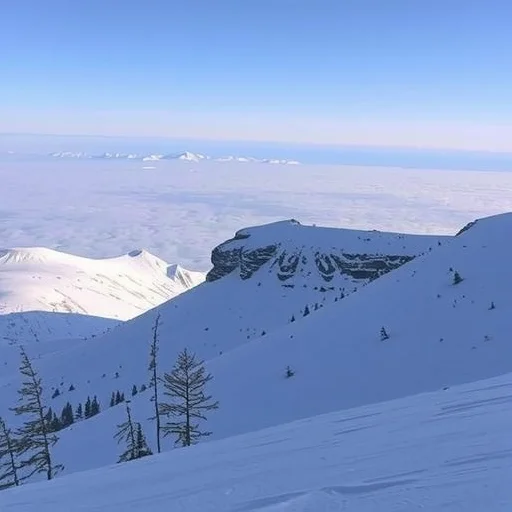
First, you need to understand the basics of the North Slope. It’s a vast, icy wilderness where temperatures can drop below -40°C, and the landscape is dominated by tundra, frozen rivers, and snow-covered mountains. The region is home to wildlife such as caribou, polar bears, and snowy owls, but it also presents unique challenges, including limited infrastructure, unpredictable weather, and the need for self-sufficiency. Before you even begin planning, it’s crucial to research the local conditions, regulations, and best practices for travel in this remote area.
Next, you should set clear goals for your trip. Are you looking for a peaceful solo adventure, a family-friendly experience, or a wildlife expedition? Your objectives will shape your itinerary, the duration of your stay, and the type of activities you’ll engage in. For example, if you’re interested in wildlife photography, you might plan to visit the Arctic National Wildlife Refuge or the Brooks Range. If you’re more into outdoor activities, you could include hiking, snowshoeing, or dog sledding. Defining your goals early will help you create a more personalized and meaningful trip.
Once you have a clear vision of your trip, the next step is to plan the logistics. This includes booking flights, arranging transportation, securing accommodations, and obtaining necessary permits. The North Slope is not easily accessible, so you’ll need to plan your arrival and departure carefully. Most visitors fly into Barrow or Kotzebue, which are the two main entry points. From there, you can rent a vehicle, join a guided tour, or arrange for a private charter. It’s also important to check if you need a permit for certain activities, such as hunting or visiting protected areas.
Another critical aspect of planning a North Slope trip is preparing for the extreme weather. The region experiences long, harsh winters and short summers, so you’ll need to pack appropriately. Layered clothing, thermal gear, insulated boots, and waterproof equipment are essential. You should also bring a reliable navigation system, such as a GPS or a detailed map, as cell service is limited. Additionally, it’s wise to carry emergency supplies, including a first-aid kit, extra food, and a satellite phone, in case of unexpected situations.
To make your trip even more enjoyable, consider including local cultural experiences. The North Slope is home to the Inupiat people, who have a rich cultural heritage and traditions. Visiting a local village, participating in a traditional activity, or learning about the indigenous way of life can add depth to your journey. Many communities offer guided tours or cultural exchanges, which provide a unique opportunity to connect with the local people and gain a deeper understanding of the region.
Let’s look at an example of how someone might plan their North Slope trip. Sarah, a photography enthusiast, wanted to capture the beauty of the Arctic landscape. She first researched the best times to visit, which she learned were late summer and early fall when the days are longer and the wildlife is more active. She then booked a flight to Barrow and arranged a guided wildlife tour. She packed warm clothing, a high-quality camera, and essential survival gear. During her trip, she photographed caribou herds, took in the stunning views of the frozen tundra, and even had the chance to meet with local Inupiat guides who shared stories about the land and its history. Her trip was not only visually rewarding but also deeply meaningful.
In addition to the practical aspects, planning a North Slope trip also involves considering the environmental impact. The region is fragile, and visitors are encouraged to follow Leave No Trace principles. This means minimizing your footprint by properly disposing of waste, respecting wildlife, and avoiding sensitive areas. By being responsible and mindful, you can help preserve the natural beauty of the North Slope for future generations.
Finally, it’s important to stay flexible and open-minded. The North Slope is an unpredictable place, and things may not always go as planned. Weather conditions can change rapidly, and some activities may be affected by natural factors. Embrace the unexpected and focus on the experience


What an amazing guide! I’ve always wanted to visit the North Slope and this gives me a great starting point.
The photos are breathtaking—makes me wish I could go there right now.
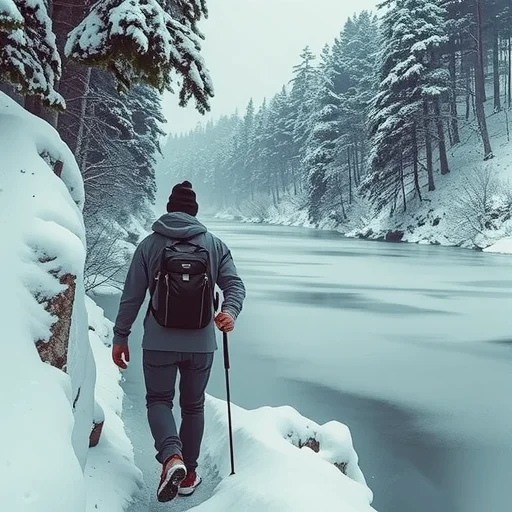
The frozen river photo is stunning. I can almost feel the cold air and hear the crunch of snow underfoot.
I love the step-by-step approach. It’s so helpful for someone who’s never been to such a remote area.
I’m planning a trip next year and this article is a lifesaver. Thanks for sharing!