

Yunnan, with its diverse landscapes, ethnic cultures, and rich history, is a dream destination for travelers. If you’re wondering how to explore Yunnan effectively, this guide will help you plan an unforgettable trip. From the ancient tea plantations of Pu’er to the snow-capped peaks of Lijiang, Yunnan offers something for everyone. The key to a successful trip lies in understanding the best time to visit, must-see attractions, and practical tips to make the most of your time there. Whether you’re a first-time visitor or a seasoned traveler, this guide will provide you with the essential information to navigate Yunnan with confidence and ease.
Yunnan is a province that boasts incredible natural beauty, from the majestic Himalayas to the tropical rainforests of Xishuangbanna. However, its vast size and diverse regions can make planning a trip a bit overwhelming. To avoid missing out on the best experiences, it’s important to focus on the most iconic areas and plan your itinerary wisely. Start by selecting the regions that align with your interests—whether it’s hiking, cultural immersion, or relaxing by the lakes. Once you have a clear idea of your priorities, you can begin to organize your trip around them.
One of the best ways to experience Yunnan is by visiting its ethnic minority villages, where you can learn about the unique cultures and traditions of the local communities. The Dai people in Xishuangbanna, for example, are known for their vibrant festivals and beautiful architecture. Visiting these villages not only offers a deeper understanding of Yunnan’s cultural diversity but also supports local economies. When planning your visit, consider booking guided tours or staying in homestays to gain a more authentic experience.
For those who enjoy outdoor activities, Yunnan is a paradise. The Ancient Tea Horse Road in Pu’er is a perfect example of how the region’s natural beauty and historical significance can be explored together. This route, once used by traders to transport tea to Tibet, now offers a unique blend of history and scenery. Walking along the path, you’ll pass through dense forests, cross rivers, and visit tea plantations that have been cultivated for centuries. It’s a great way to immerse yourself in the local environment while learning about the region’s rich heritage.
Kunming, the “City of Eternal Spring,” is a must-visit destination in Yunnan. With its mild climate and stunning natural scenery, it serves as an ideal base for exploring the surrounding areas. A visit to Lake Dian, one of the largest freshwater lakes in China, is a highlight. The lake is surrounded by mountains and offers breathtaking views, especially during sunset. Whether you’re looking to relax, take a boat ride, or simply enjoy the peaceful atmosphere, Kunming has something to offer for every traveler.
While Yunnan is known for its natural beauty, its cities also offer unique experiences. Chengdu, for instance, is famous for its panda reserves and traditional Sichuan cuisine. However, it’s important to note that Chengdu is not in Yunnan—it’s in Sichuan province. If you’re planning to explore multiple regions, make sure to check the geography of each destination to avoid confusion. Yunnan itself includes cities like Dali, Lijiang, and Kunming, each with its own charm and attractions.



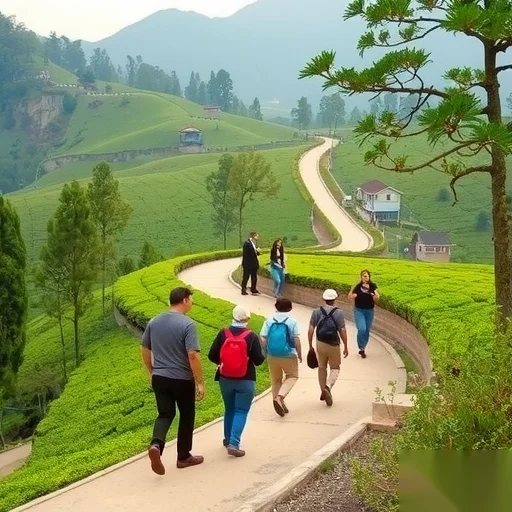





This guide is really helpful! I’m planning a trip to Yunnan and found all the key points covered. Thanks for the tips on ethnic villages and the tea horse road!
The images are beautiful and make me want to visit even more. I especially loved the one of the Dai village. I’m looking forward to experiencing the culture there!