

Visiting the Great Wall of China is a dream for many travelers, but without proper planning, the experience can fall short of expectations. The key to a successful trip lies in understanding what to expect, how to prepare, and which routes to choose. This guide provides a clear roadmap to help you plan a trip that balances adventure, history, and comfort. Whether you’re a first-time visitor or a seasoned traveler, the right approach can make all the difference in creating unforgettable memories.
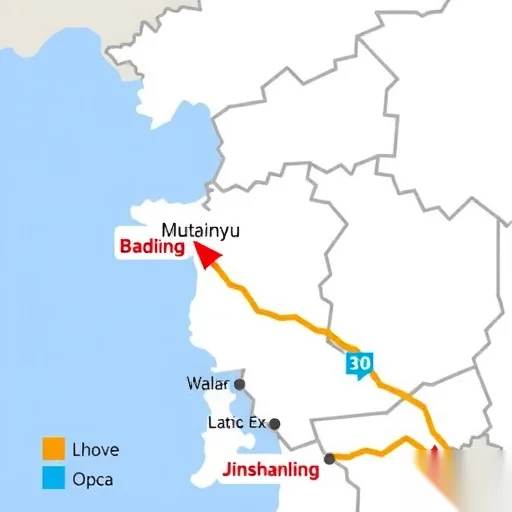
Before you embark on your journey, it’s essential to consider the logistics of visiting the Great Wall. Unlike other tourist attractions, the Wall is vast, stretching over 21,000 kilometers, and not all sections are equally accessible or worth the visit. The most popular sections—like Badaling and Mutianyu—are well-maintained and offer a mix of history and scenic beauty, but they can be crowded and expensive. On the other hand, lesser-known sections like Jinshanling or Simatai provide a more authentic and tranquil experience, often at a lower cost. Understanding the differences between these sections can help you choose the right one based on your interests and budget.
To make the most of your trip, start by researching the best time to visit. The Great Wall is a year-round destination, but the best time depends on your preferences. Spring (March to May) and autumn (September to November) offer mild weather and fewer crowds, making it ideal for walking and exploring. Summer can be hot and humid, while winter may bring snow and icy conditions, which can make some sections difficult to access. Additionally, festivals and holidays can significantly increase the number of visitors, so planning your trip around these dates can help you avoid the busiest times.
Once you’ve decided on the season and section, the next step is to plan your itinerary. Most travelers spend a day or two on the Wall, so it’s important to choose a section that fits your time frame. Badaling, for example, is a great option for first-time visitors due to its well-paved paths and convenient transportation, but it can be crowded. Mutianyu, on the other hand, offers a more scenic and less crowded experience, with cable cars and a more relaxed atmosphere. If you’re looking for a challenge, Jinshanling is a better choice, as it requires hiking and offers a more rugged, historical feel.
In addition to choosing the right section, it’s crucial to consider the transportation options. Most tourists arrive at the Great Wall via bus, taxi, or private car, but some sections may require a guided tour. For example, Mutianyu and Badaling have cable car services that make the climb easier, while Jinshanling is typically reached by hiking or taking a bus to the nearest village. Planning your transportation in advance can save time and reduce stress, especially if you’re traveling with a group or family.
One of the most important aspects of planning your trip is understanding the cost. Entrance fees can vary widely depending on the section, with some areas charging upwards of 100 RMB per person. Additionally, transportation, accommodation, and meals should be factored into your budget. For a more budget-friendly option, consider visiting during off-peak times or choosing a section that doesn’t require additional fees for services like cable cars.
A real-world example of a successful trip comes from a traveler who visited Jinshanling in early September. They booked a private tour that included a guided hike, a picnic lunch, and a visit to nearby villages. The weather was cool, the crowds were minimal, and they were able to explore the Wall in peace. They also took advantage of the local cuisine, trying traditional Chinese dishes at a nearby restaurant. This trip not only provided an authentic experience but also allowed them to connect with the history and culture of the region.
Another traveler who visited Badaling in late April shared a similar experience. They arrived early in the morning to avoid the crowds and used a combination of buses and walking to explore the section. They also rented a bike to cover more ground and took photos at the best viewpoints. Their trip was well-planned, and they felt that the experience was worth the effort.
Whether you’re a history enthusiast, an adventure seeker, or simply looking for a scenic escape, the Great Wall offers something for everyone. By planning your trip with care, you can ensure that your visit is both enjoyable and memorable. From choosing the right section to timing your visit and preparing for the journey, every step plays a role in creating the perfect travel experience.
[Comment



I followed the guide’s recommendations and visited Mutianyu – it was less crowded and just as stunning as Badaling.
The detailed map in the article helped me plan my trip efficiently. I’m glad I read it before heading out.
Exploring the Great Wall was an unforgettable experience. The sunrise view was absolutely breathtaking!
I’m planning my next trip and will definitely consider Jinshanling for its scenic beauty and quieter atmosphere.