
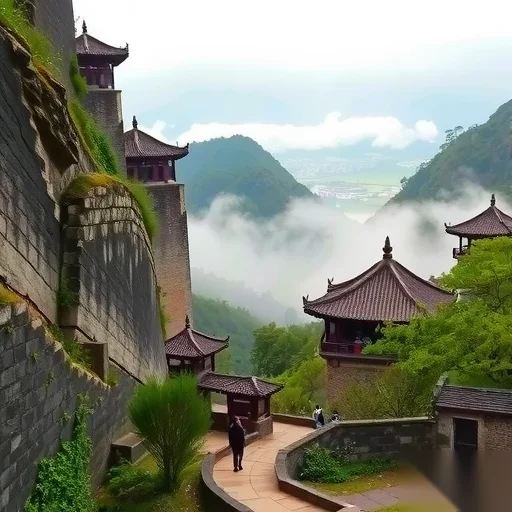
Wutai Mountain, known as the “Holy Land of Buddhism,” is one of China’s most sacred and breathtaking destinations. If you’re wondering how to explore Wutai Mountain effectively, the answer lies in planning your trip with a clear itinerary, understanding the cultural significance, and respecting local traditions. This guide will help you make the most of your visit, ensuring you experience the mountain’s spiritual and natural beauty without missing out on key highlights.
Before you begin your journey, it’s essential to understand that Wutai Mountain is not just a scenic destination—it’s a place of deep religious importance. The mountain is home to four major Buddhist monasteries, including the famous Dongyuan Temple and the Temple of the Buddha’s Relics. These sites are not only architectural marvels but also hold significant historical and spiritual value. As a result, visitors should approach the mountain with respect, especially when visiting temples and participating in religious activities.
To make the most of your trip, start by choosing the right time to visit. Wutai Mountain is open year-round, but the best time to visit is between April and October when the weather is mild and the mountain is in full bloom. During the winter months, the snow-covered landscape is equally stunning, but some temples may be closed for maintenance. Additionally, the mountain is a popular pilgrimage site, so visiting during the off-peak season can help you avoid crowds and enjoy a more tranquil experience.
Once you’ve decided on the best time to visit, plan your itinerary carefully. Wutai Mountain is divided into several areas, each with its own unique attractions. The main areas include the Temple of the Buddha’s Relics, the Temple of the Bodhisattva Ksitigarbha, and the Temple of the Bodhisattva Manjushri. Each of these temples has its own history and significance, so allocate at least one day to visit each major site. Be sure to allow time for hiking, as the mountain’s trails offer stunning views and a chance to connect with nature.
Transportation to Wutai Mountain is convenient, with buses and private vehicles available from major cities like Taiyuan and Datong. However, if you’re planning to visit multiple temples, it’s best to rent a car or take a guided tour. This will save you time and help you avoid the hassle of navigating the mountain’s winding roads. Additionally, hiring a local guide can provide valuable insights into the mountain’s history and cultural significance, enhancing your overall experience.
One of the most rewarding aspects of visiting Wutai Mountain is the opportunity to participate in local Buddhist practices. Many temples offer meditation sessions and prayer activities, which are open to visitors of all backgrounds. If you’re interested in learning more about Buddhism, consider attending a morning prayer ceremony or participating in a meditation session. These experiences can be deeply moving and offer a unique perspective on the mountain’s spiritual essence.
For those who enjoy outdoor activities, Wutai Mountain offers a variety of hiking trails that range from easy to challenging. The most popular route is the one that leads to the Temple of the Buddha’s Relics, which is approximately 5 kilometers from the mountain’s base. Along the way, you’ll pass through lush forests, ancient stone carvings, and serene temples. If you’re up for a more strenuous hike, the trail to the Temple of the Bodhisattva Manjushri is a great option, as it offers panoramic views of the surrounding landscape.
In addition to hiking and visiting temples, there are several cultural experiences you shouldn’t miss. One of the highlights is the annual Buddhist festival, which takes place in the spring and features traditional performances, parades, and religious ceremonies. If you’re lucky enough to visit during this time, you’ll have the opportunity to witness the mountain’s vibrant cultural heritage in action.
Another important aspect of visiting Wutai Mountain is respecting local customs and traditions. When entering a temple, it’s customary to remove your shoes and bow slightly as a sign of respect. Visitors are also encouraged to dress modestly, especially when entering prayer halls. Additionally, it’s important to follow the rules set by the temples, such as not taking photographs during certain ceremonies. By showing respect for these traditions, you’ll not only enhance your experience but also contribute to the preservation of this sacred site.
For first-time visitors, it’s also helpful to plan your meals and accommodations in advance. Many temples offer simple meals to visitors, but if you prefer more options, there are several guesthouses and restaurants located near the main temples. Be sure to book




The guide was incredibly helpful! I’m excited to visit Wutai Mountain now.
I loved the photos of the Temple of the Buddha’s Relics—it looks absolutely breathtaking.
The tips on local culture and traditions were a great addition to the travel guide.
This is the perfect resource for someone planning their first trip to Wutai Mountain.