
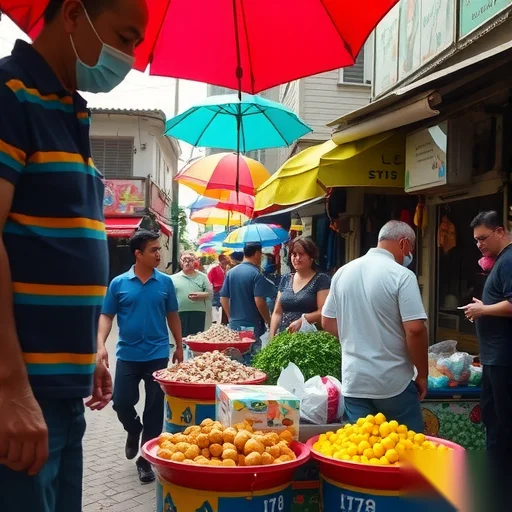
When planning a trip, it’s easy to get caught up in the destination itself and forget about the stories you want to capture through your photos. Whether you’re a seasoned traveler or just starting out, the right approach to taking travel photos can make all the difference. The key is to focus on authenticity, emotion, and composition. By understanding the principles of storytelling through photography and applying them in your travel adventures, you can create images that not only look great but also resonate deeply with viewers.
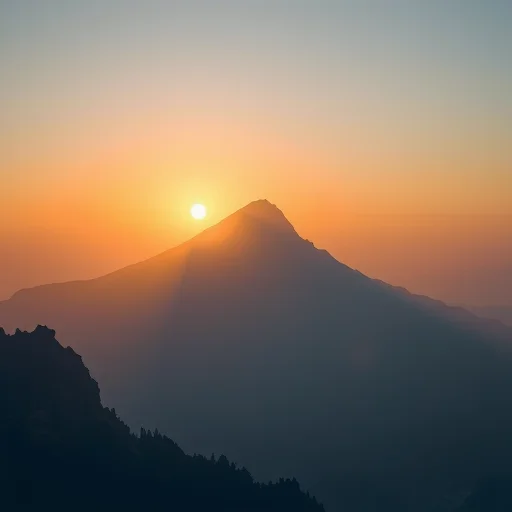
Travel photography isn’t just about snapping pictures of famous landmarks or scenic views. It’s about capturing the essence of a place, the people, and the experiences that make a trip memorable. This means thinking beyond the obvious and being open to the unexpected. A great travel photo often tells a story—whether it’s a local market scene, a candid moment with a stranger, or a sunset that feels like it’s been waiting for you.
To create meaningful travel photos, you need to consider both the technical and creative aspects of photography. Start by understanding your camera settings and how they affect the final image. For example, adjusting the aperture can help you create a shallow depth of field, drawing attention to your subject while blurring the background. But just as important as the technical side is the emotional connection you bring to your shots. Ask yourself: What do I want to convey through this image? What emotions or stories do I want to share?
One of the best ways to improve your travel photography is to practice consistently. Take your camera with you on daily adventures, and don’t be afraid to experiment with different angles, lighting, and compositions. Even the simplest moments can become powerful images if you approach them with intention. For instance, a close-up of a local dish being prepared can tell a story about culture and tradition, while a wide shot of a bustling street can convey energy and life.
Let’s look at a real-life example. Imagine you’re traveling to Kyoto, Japan. Instead of just photographing the famous cherry blossoms, focus on the people interacting with the environment. Capture a young couple walking hand in hand beneath the blossoms, or a street vendor arranging fresh flowers in a traditional basket. These images are more than just beautiful—they tell a story about the culture, the people, and the moment.
Another important aspect of travel photography is planning. While spontaneity is part of the charm, having a loose plan can help you capture the moments you want. Research the local culture, identify interesting locations, and be ready to adjust your plans based on what you encounter. For example, if you know there’s a local festival happening during your visit, plan to be there early to capture the best shots.
Finally, don’t forget to edit your photos thoughtfully. Editing can enhance the mood and message of your images without altering their authenticity. Use tools like Lightroom or Snapseed to adjust contrast, color balance, and clarity, but always keep the essence of the moment intact.

The real-life example with Kyoto was especially inspiring. It made me want to go back and revisit some places with a new perspective.
The tips on composition and emotion are so helpful. I’ve been trying to take better travel photos for a while now, and this gave me a clear direction.
I love how the article emphasizes storytelling in travel photos. It really changed the way I approach photography on my trips!