
Traveling to Northeast China is an experience that combines natural beauty, rich history, and unique culture. If you’re wondering where to go in this region, the answer lies in its iconic attractions. From the snow-capped peaks of Changbai Mountains to the vibrant streets of Harbin, the Northeast offers something for every traveler. Whether you’re a history buff, a nature lover, or simply looking for a fresh escape, this region has it all. Let’s dive into the must-visit spots that make Northeast China a top destination.
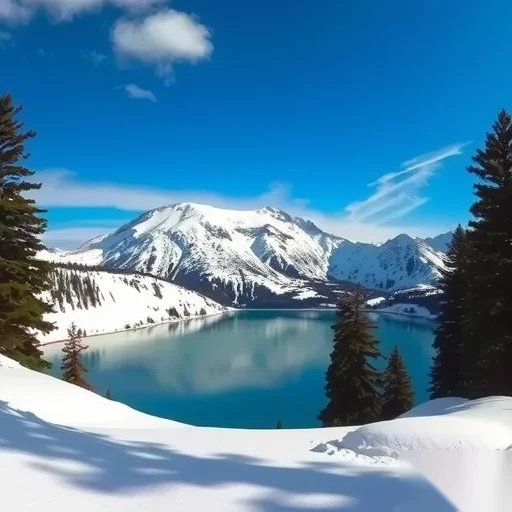
The first stop on your Northeast China journey should be the Changbai Mountains. Known for their breathtaking natural scenery and the sacred Heaven Lake, this area is a paradise for hikers and photographers. The misty peaks and tranquil lakes create a magical atmosphere, especially during the winter months when the landscape is blanketed in snow. Don’t miss the opportunity to visit the volcanic crater and enjoy the local ethnic culture, including the Korean ethnic group’s traditions.
Harbin is a must-visit for its unique winter charm. As the capital of Heilongjiang Province, it’s famous for its Ice and Snow Festival, which transforms the city into a dazzling winter wonderland. The ice sculptures are not only artistic masterpieces but also a symbol of the region’s creativity and craftsmanship. Beyond the festival, Harbin offers a mix of traditional and modern architecture, delicious local cuisine, and a welcoming atmosphere for tourists.
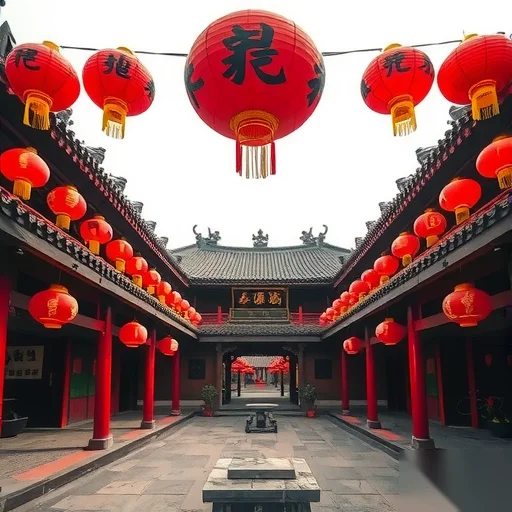
The historical and cultural sites in Northeast China are equally captivating. Places like the Yalu River Bridge in Dandong, the ancient city of Shenyang, and the Confucius Temple in Harbin provide insight into the region’s rich history. These sites not only highlight the area’s cultural depth but also offer a glimpse into the lives of the people who have lived here for centuries. Visiting these places is a great way to understand the local traditions and historical significance of the region.
For history enthusiasts, the Great Wall in the Northeast is a must-see. The section near the Yalu River is less crowded than the more famous parts of the Wall, allowing for a more peaceful and immersive experience. Walking along the ancient stone path, you can feel the weight of history and the resilience of the people who built and defended this iconic structure. This part of the Wall is also a symbol of the region’s strategic importance and cultural heritage.
In addition to natural and historical sites, the modern cities of Northeast China offer a vibrant urban experience. Shenyang, for example, is a hub of commerce and culture, with its blend of traditional architecture and modern facilities. The city is home to the Shenyang Imperial Palace, a stunning example of Qing Dynasty architecture, and a variety of shopping and dining options that cater to both locals and tourists. Exploring these cities gives you a well-rounded view of the region’s development and cultural diversity.
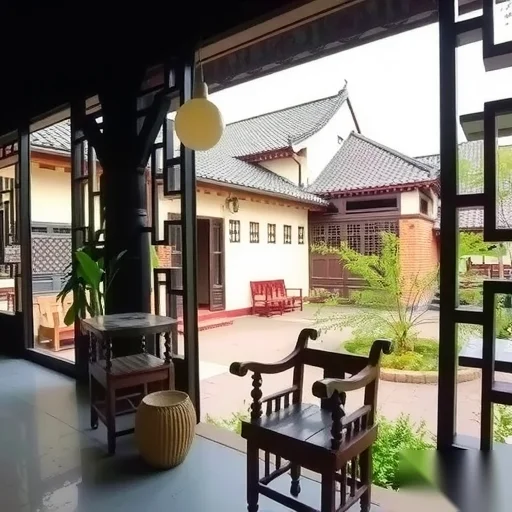
Beyond the major attractions, the local lifestyle and culture in Northeast China are worth experiencing. Visiting a traditional tea house, trying local delicacies like Manchurian hot pot or Northeastern cuisine, and interacting with the friendly locals can give you a deeper appreciation of the region. These small, everyday experiences often leave the most lasting impressions and make your trip more memorable.






I loved the ice festival in Harbin—it was absolutely magical! The sculptures were incredible.
The Changbai Mountains were stunning, especially the Heaven Lake. Definitely a highlight of my trip.
The history and culture in Shenyang and Dandong gave me a new perspective on Northeast China.