
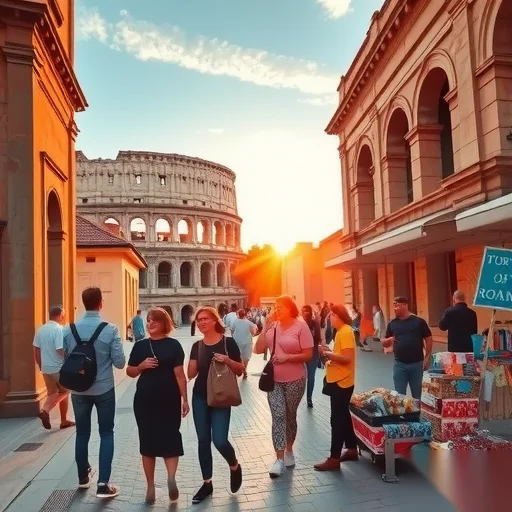
Traveling to Italy is a dream for many, but with so many cities, attractions, and cultural experiences to choose from, it’s easy to feel overwhelmed. The key to a successful Italian trip lies in planning a well-structured itinerary that balances iconic landmarks, hidden gems, and local culture. Whether you’re a first-time visitor or a seasoned traveler, this guide will help you create an unforgettable Italian travel experience by focusing on the essentials, practical tips, and the best ways to explore the country.
Italy is a country of rich history, breathtaking landscapes, and vibrant cities, but without proper planning, you might miss out on the most meaningful experiences. The challenge is not just in choosing where to go, but also in understanding how to make the most of your time. The solution is to create a flexible yet detailed itinerary that covers the must-see sights, allows for local exploration, and leaves room for spontaneity. By following a few key principles and taking the right steps, you can ensure a smooth and enjoyable journey through Italy.
To begin, it’s important to define the purpose of your trip. Are you interested in art and history, food and wine, or natural beauty? Each region of Italy offers a unique experience, so aligning your travel goals with the destinations you choose will help you make the most of your time. For example, if you’re a food lover, consider visiting Tuscany or Emilia-Romagna, where you can savor world-renowned cuisine and explore local markets. If you’re drawn to history, Rome, Florence, and Venice will provide a wealth of ancient ruins, Renaissance masterpieces, and architectural wonders.
Once you have a clear idea of your interests, the next step is to research the best time to visit. Italy’s climate varies by region, so it’s important to consider the weather and seasonal events. For instance, the Italian Riviera is best visited in spring or early autumn to avoid the summer crowds and high temperatures, while the Dolomites are ideal for hiking in late spring or early autumn. Additionally, festivals and events such as the Venice Biennale, Florence Fashion Week, or the Sanremo Music Festival can add a unique dimension to your trip, but they should be considered in advance to avoid conflicts with your planned activities.
Another crucial aspect of planning is choosing the right cities and regions to visit. Italy is a large country with many distinct areas, so it’s best to focus on a few key destinations that align with your interests. A common strategy is to visit one or two major cities, such as Rome and Florence, and then explore a nearby region, like Tuscany or the Amalfi Coast. This approach allows for a mix of cultural immersion and relaxation. For example, a traveler might spend a week in Rome, exploring ancient ruins and Renaissance art, then spend a few days in Tuscany, enjoying vineyards, olive groves, and local cuisine.
To make the most of your trip, it’s also important to plan your transportation. Italy has an extensive public transport network, including trains, buses, and regional flights, making it easy to travel between cities and regions. However, for a more personalized experience, consider renting a car, especially if you’re visiting rural areas or the countryside. Additionally, using a combination of public transport and private tours can help you save time and money while ensuring you don’t miss out on key attractions.
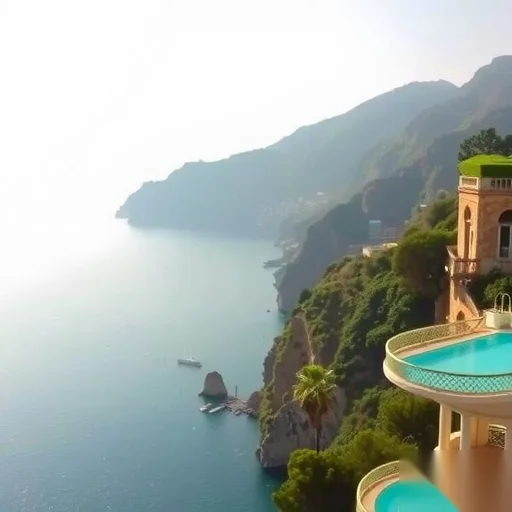
A well-planned itinerary should also include time for rest and relaxation. Italy is known for its beautiful landscapes and charming towns, so it’s important to take breaks and enjoy the local culture. Whether it’s sipping wine in a vineyard in Chianti or soaking in the views of the Amalfi Coast, these moments can make your trip truly unforgettable.
Let’s look at a real-life example to see how this planning approach works. Sarah, a first-time traveler from the United States, wanted to experience Italy’s rich history and culture. She decided to visit Rome and Florence, with a short detour to Tuscany. She researched the best time to visit and chose early September to avoid the summer crowds. She planned her days around key attractions, such as the Colosseum, Vatican Museums, and Uffizi Gallery in Rome, and the Duomo, Ponte Vecchio, and Boboli Gardens in Florence. She also included a few days in Tuscany to visit vineyards and sample local wines. By following this structured yet flexible plan, Sarah was able to fully immerse herself in Italy’s culture and create lasting memories.


Planning an Italian trip can be overwhelming, but this guide makes it much easier to create a memorable experience.
I love the idea of balancing famous sites with hidden gems—it’s the best way to truly experience Italy.
This article gives great tips for making the most of your time in Italy without feeling rushed or stressed.