

If you’re planning a trip to Yaowan Ancient Town in Xuzhou, the best approach is to go with a clear route, a cultural mindset, and a taste for authentic snacks—because this thousand-year-old canal town rewards those who wander slowly and eat locally. Located about an hour’s drive from downtown Xuzhou, Yaowan feels like stepping into a Ming-and-Qing-dynasty time capsule. But without a plan, you might just walk the main street, snap a few photos, and miss what makes this place special.
Most travelers make the mistake of treating Yaowan like a museum—they rush through, read a few signs, and leave after two hours. But the real magic of Yaowan isn’t in the ticket booths; it’s in the hidden courtyards, the old tea houses, and the stories told by grandmothers frying tofu by the river. So how do you avoid the “been there, done that” trap? You shift from being a tourist to being a temporary local.
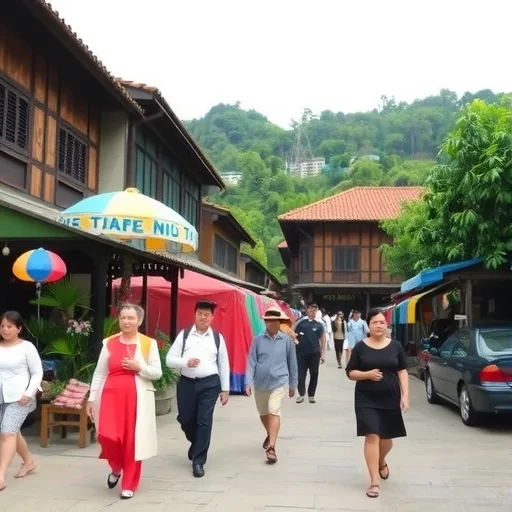
The principle is simple: slow travel wins here. Yaowan was once a bustling dock town on the Grand Canal, and its layout follows the water. That means the most interesting spots are off the main drag, tucked behind narrow alleys that still have original cobblestones. Your job is not to cover every marked attraction, but to let the town reveal itself through its textures—worn brick, wooden carvings, and the smell of sesame oil.
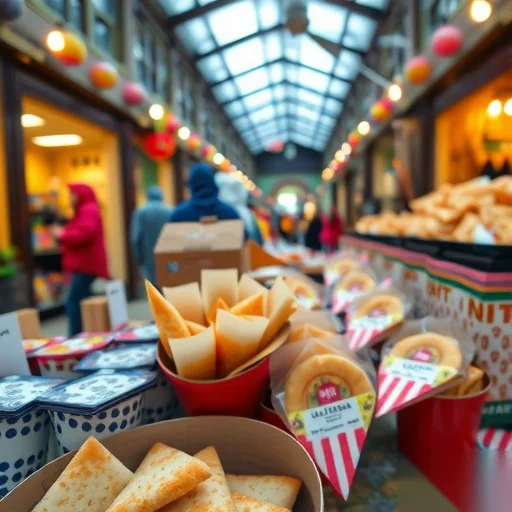
Here’s a step-by-step way to spend a full day in Yaowan without feeling rushed. Start your morning at the South Gate (Nanmen) around 9 a.m., when the light is soft and the vendors are just setting up. Buy a piece of freshly baked sesame cake (zhima bing)—it costs about 2 RMB and gives you energy while you walk. Head first to the Wu Family Grand Courtyard, the best-preserved mansion in town. Unlike the Forbidden City’s grand halls, this place feels intimate: tiny opera stage, hidden passageways, and a well that’s still used by the caretaker. Spend 30 minutes here, but don’t just look—listen. The echo in the second courtyard changes as you move.
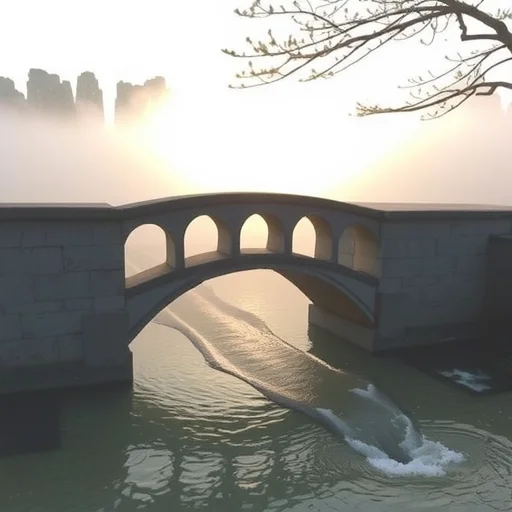
Around 10:30 a.m., walk toward the canal wharf. This is where you’ll see real life: old men playing chess under a pagoda tree, women washing vegetables in the canal water (yes, they still do that). Cross the Qilong Bridge—it’s small but has the best view of the town’s layered rooftops. From there, follow the river north until you smell frying chilies. That’s Grandma Liu’s Tofu Shop, open since 1982. Her stinky tofu is mild by Hunan standards but incredibly fragrant. Get a bowl for 5 RMB and eat it standing by the water. This is not a “tourist snack”—locals line up here before noon.
After lunch (try the canal fish head casserole at Old Dock Restaurant, about 35 RMB per person), spend your afternoon on the east side of town, which most guidebooks ignore. Look for a blue-painted door on Zhuma Alley—that’s the former home of a Qing-dynasty salt merchant. It’s not officially open to the public, but the current resident, an elderly Mr. Zhao, will show you around for a small tip (10 RMB is fine). He keeps the original floor tiles and a hidden shrine behind a bookshelf. This is the kind of unscripted encounter that turns a trip into a story.
By 3 p.m., you’ll want to rest. Go to the Yihe Teahouse on West Street. They serve local green tea from the surrounding hills, and the owner performs a short puppet show for anyone who buys a pot (pot starts at 20 RMB, serves two). Don’t expect polished theater—it’s raw, a bit clumsy, and absolutely charming. While you sip tea, notice the walls: they’re original rammed earth from the Ming dynasty, patched with bricks from different eras. That’s Yaowan in a nutshell—layered, imperfect, alive.
For the evening, here’s a case example from my own trip. I originally planned to leave at 5 p.m., but a local fruit vendor told me to stay for the “lantern walk.” And I’m glad I did. At dusk, the town strings up paper lanterns along the canal, but not in a flashy way—just enough to light the water. I joined a group of retirees doing slow tai chi by the ferry dock. No one spoke English, but they handed me a thermos of warm osmanthus tea. We sat on stone steps, watching the last ferry cross, and one man pointed at the moon and said “Yaowan hao” (Yaowan good). That moment cost nothing, but it’s what I remember most.
If you stay overnight (there are a few simple guesthouses inside the town, like the Canal Inn, from 120 RMB a night), wake up at 6 a.m. for the morning market near North Gate. You’ll see vendors selling live river shrimp, fresh lotus roots, and steaming rice rolls wrapped in banana leaves. Buy some jujube cakes for the road. Then walk the empty alleys one last time—before the tour buses arrive, Yaowan belongs only to you and the cats.
Practical tips: Wear comfortable walking shoes—cobblestones are uneven. Bring small change (1, 5, 10 RMB notes) because most family-run stalls don’t take digital payments. Avoid weekends if you can; on weekdays, the town feels half-empty in the best way. And finally, don’t overplan. Leave room to get lost. That alley with the peeling red couplets? Go in. That door with the sound of a mahjong game? Knock. Yaowan rewards curiosity, not checklists.
(Just returned from Yaowan and this guide is spot-on. I followed the tofu shop tip and ended up chatting with Grandma Liu for an hour. She showed me her family photos from the 1980s. Unforgettable.)
(Adding one more tip: the puppet show at Yihe Teahouse starts around 3:30 PM. The owner only performs when he has at least two tea customers. If you go alone, wait a few minutes—someone will join you.)
(I almost skipped the east side because my map showed nothing there. But Mr. Zhao’s hidden courtyard was the highlight. He even played a few notes on an old erhu. Please tip him generously—he’s preserving history alone.)
(Be careful with the cobblestones after rain—they get very slippery. Also, the canal fish head casserole is spicy, so ask for “wei la” (slightly spicy) if you’re sensitive.)
(As someone who lived in Xuzhou for three years, I’d add that taking the local bus #11 from Xuzhou South Station is cheaper than a taxi—only 8 RMB. The bus drops you right at the south gate.)
Walk slowly, eat locally, and follow the old alleys—Yaowan’s soul is in its unplanned moments.
XuzhouTravel


zhima bing
yes, they still do that
10 RMB is fine
pot starts at 20 RMB, serves two
try the canal fish head casserole at Old Dock Restaurant, about 35 RMB per person