
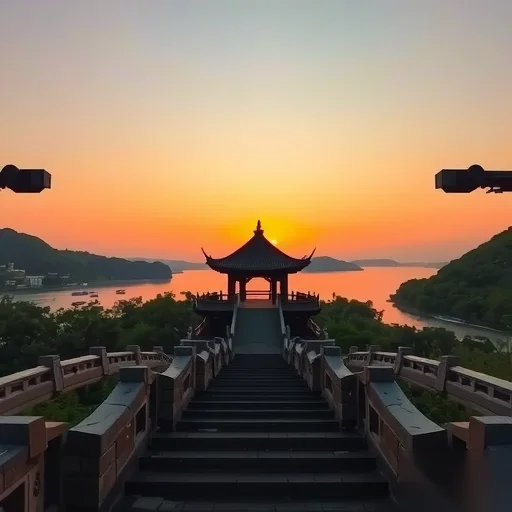
You don’t need a 20-day grand tour or a rigid itinerary to experience China well. The real trick is matching your travel style and available time to the right region, then building a shortlist of no more than three destinations per trip. Most travelers fail because they try to see too much or rely on outdated “must-see” lists. This guide will help you pick, plan, and enjoy a Chinese destination that actually fits you.
First, forget the idea that you have to visit Beijing, Xi’an, and Shanghai in one go. That route works for business travelers with ten days and zero creativity, but it leaves you exhausted and often disappointed. Instead, start with a single question: what kind of experience do you actually want? If you love nature and hiking, look southwest to Yunnan or Sichuan. If you want futuristic cities and nightlife, focus on the Pearl River Delta or the Yangtze River Delta. If history and ancient towns are your thing, the central plains or Jiangnan water towns make more sense than another museum in a megacity.
The principle is simple: China is roughly the same size as the continental United States, and its regional cultures, climates, and transport connections vary enormously. A common mistake is assuming high-speed rail connects every small town instantly. It doesn’t. So once you pick a region, check real travel times between cities. For example, from Chengdu to Jiuzhaigou takes eight hours by bus—no train. That’s fine if you know it in advance; it’s a nightmare if you planned a day trip.
Here’s a practical workflow I’ve used with dozens of friends and clients. Step one: decide your total trip length, excluding international flights. Step two: choose one anchor city—that’s where you arrive and depart. Step three: pick two satellite destinations within three hours by train or bus from that anchor. Step four: assign at least two full days to each satellite, and three to the anchor. That’s your skeleton. Then fill in meals and rest days. Don’t book every hour. The best memories in China usually come from unplanned walks, random street food, or a conversation in a park.
Let me give you a concrete case. A solo traveler named Alex had seven days and wanted “old China” plus one natural wonder. He chose Guilin as his anchor city—small airport, easy connections. His satellites: Yangshuo (one hour by bus) and Longsheng rice terraces (two hours). He spent three days in Guilin biking along the Li River, two days in Yangshuo rock climbing and cooking class, and two days at the terraces staying in a village guesthouse. No rushed flights, no four-hour train rides. Total cost mid-range: around $75 per day including private rooms and good meals. He came back saying it was the least stressful trip he’d taken in years.
Of course, you might hate rural areas or need wheelchair accessibility. That’s fine. The method stays the same. For city lovers, use Shanghai as your anchor, then Suzhou and Hangzhou as satellites. For Buddhist culture, use Lhasa (if you have altitude tolerance) or Chengdu with Leshan and Emei Shan. The key is to respect distance. Many travelers underestimate how much time border crossings, altitude acclimation, or even just finding your platform in a massive train station can take.
Another underrated principle: seasonality. China’s tourist sites go from magical to miserable depending on the month. Zhangjiajie’s sandstone pillars look epic in clear autumn weather but disappear in summer fog. Harbin’s ice festival is a winter dream but a cold, empty wasteland in July. Always check the average rainfall and domestic holiday calendar. Avoid the first week of May, first week of October, and the two weeks around Lunar New Year—trains sell out, prices triple, and queues become legendary. If you must travel during those times, stick to one city and book everything three months ahead.
You also don’t need to speak Mandarin. But learning four phrases—hello, thank you, how much, and this one—will change your experience completely. Download WeChat and Alipay before you go, because cash is becoming rare even in small towns. And bring a VPN if you want Google or Instagram. These are not scary hurdles; they are simple checklists. Thousands of independent travelers manage them every week.
So here is your real Chinese destination travel guide: pick one region, build a three-point itinerary around a central anchor city, respect travel times, and leave empty space for serendipity. That formula beats any “ultimate 30-day route” you find online. China rewards focus, not ambition. Start small, go deep, and you will leave wanting to come back—not wishing you had stayed home.
(Finally a guide that admits China is huge. I wasted two days traveling from Beijing to Shanghai last year. This would have saved me.)
(Used your method for a 6-day Fujian trip: Xiamen anchor, Tulou and Quanzhou satellites. Worked perfectly. Thank you!)
(What about budget travelers? $75/day is doable but tight in places like Hangzhou. Maybe add a budget tier next time.)
(Do you have similar advice for winter travel? Thinking of Yunnan in December but worried about cold.)
(Refreshing to see no “hidden gem” nonsense. Just honest logistics and a simple system. Bookmarked.)
Summary: Choose one anchor city, two nearby satellites, respect travel time, and leave room for the unexpected.



one hour by bus
if you have altitude tolerance
Finally a guide that admits China is huge. I wasted two days traveling from Beijing to Shanghai last year. This would have saved me.
Used your method for a 6-day Fujian trip: Xiamen anchor, Tulou and Quanzhou satellites. Worked perfectly. Thank you!
What about budget travelers? $75/day is doable but tight in places like Hangzhou. Maybe add a budget tier next time.