
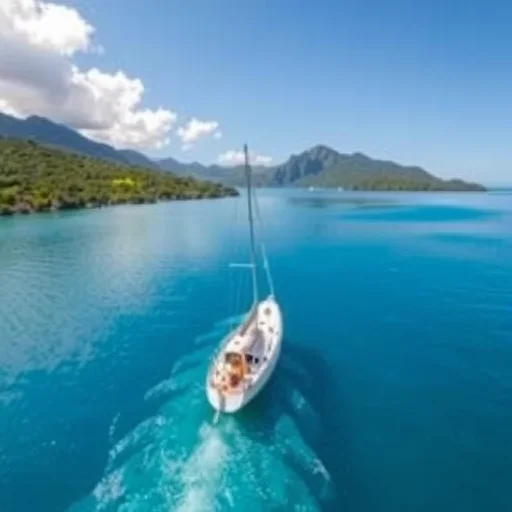
Sailing vacations offer a unique blend of adventure, relaxation, and connection with nature. Whether you’re a first-time sailor or an experienced traveler, planning a sailing trip can be both exciting and overwhelming. The key to a successful sailing vacation lies in careful preparation, understanding the basics of sailing, and choosing the right destination. This guide will walk you through everything you need to know to plan a sailing vacation that’s safe, enjoyable, and unforgettable.
Sailing is more than just a mode of transportation—it’s an immersive experience that allows you to explore coastlines, enjoy the open sea, and disconnect from the hustle of daily life. However, without proper planning, a sailing trip can quickly turn into a stressful or even dangerous situation. The first step is to understand the fundamentals of sailing, including navigation, safety protocols, and the equipment you’ll need. Once you have a solid foundation, you can begin to select the best sailing destination, book your vessel, and prepare for the journey.
Choosing the right destination is crucial for a successful sailing vacation. Popular sailing spots include the Mediterranean, the Caribbean, and the coast of New England, each offering a unique experience. The Mediterranean, for example, is known for its warm climate, historic ports, and scenic islands. The Caribbean, on the other hand, provides a tropical paradise with vibrant cultures and stunning beaches. When selecting a destination, consider factors such as weather patterns, sailing routes, and the availability of marinas or docking facilities.
Once you’ve decided on a destination, the next step is to choose the right type of sailing vessel. Options range from small sailboats suitable for solo or couple trips to larger yachts that can accommodate groups. If you’re new to sailing, it’s best to start with a smaller boat and consider hiring a skipper or taking a sailing course. This ensures that you can enjoy the journey without worrying about the technical aspects of navigation and handling the boat.
Safety should always be a top priority when planning a sailing vacation. Ensure that your vessel is equipped with essential safety gear, including life jackets, a first-aid kit, and a reliable communication device. Familiarize yourself with local maritime regulations and weather forecasts before setting sail. It’s also a good idea to inform someone onshore about your itinerary and expected return date. These precautions can help prevent emergencies and ensure a smooth sailing experience.
To illustrate the planning process, let’s take the example of a sailing trip to the Greek Islands. A traveler interested in exploring the Aegean Sea might start by researching popular ports such as Athens or Santorini. They would then book a small sailboat with a skipper and plan a route that includes stops at nearby islands like Crete and Rhodes. By researching local weather patterns and ensuring they have the necessary safety equipment, the traveler can enjoy a safe and memorable sailing adventure.
In addition to planning, it’s important to pack the right items for your sailing trip. Essentials include comfortable clothing for varying weather conditions, sunscreen, and waterproof gear. You should also bring items for relaxation, such as books, music, or a portable speaker, to make the most of your time on the water. Don’t forget to pack a waterproof bag to protect your belongings from the elements.
Sailing vacations are not just about the destination—they’re about the journey itself. Whether you’re sailing alone or with a group, the experience of navigating the open sea and discovering hidden coves and secluded beaches is unparalleled. With proper planning and preparation, you can turn your dream of a sailing vacation into a reality that’s both enjoyable and safe.




This guide was very helpful! I’m planning a sailing trip to the Caribbean and found the tips on choosing the right boat and safety equipment really useful.
I love the example about the Greek Islands—it made the planning process much clearer. I’m now more confident about my own sailing trip.