
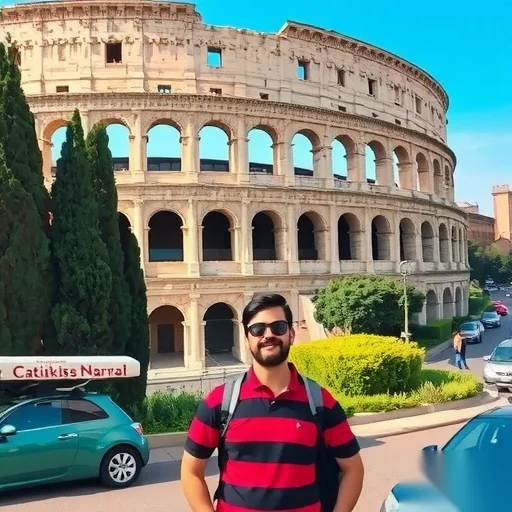
Traveling to Italy and France is a dream for many, but with so much to see and do, it’s easy to feel overwhelmed. The key to a successful trip lies in planning ahead, understanding the essentials, and knowing how to make the most of your time. This guide will show you how to create a seamless itinerary that covers the best of both countries without feeling rushed or stressed. Whether you’re a first-time traveler or a seasoned globetrotter, this step-by-step plan will help you enjoy every moment of your journey.
Italy and France are two of the most iconic destinations in Europe, each offering a unique blend of history, culture, art, and cuisine. However, their popularity also means that without proper planning, you might end up missing out on the highlights or spending too much time in one place. The solution is to create a well-structured itinerary that balances sightseeing with relaxation, and includes practical tips to avoid common pitfalls.
The first step is to decide on the duration of your trip. A typical itinerary for both countries can last 10 to 15 days, allowing you to visit major cities like Rome, Florence, Venice, Paris, and Lyon. It’s important to choose the right time to visit, as weather and crowds can greatly affect your experience. Spring (April–May) and fall (September–October) are ideal, offering pleasant weather and fewer tourists.
Next, plan your route. Italy is best explored from north to south, starting with Rome, then moving to Florence and Venice. France can be covered in reverse, beginning with Paris, then heading to Lyon and Provence. This way, you can travel efficiently without long, backtracking journeys. Consider using a train pass for both countries, as it offers cost-effective and scenic travel between cities.
Accommodation is another key factor. Book hotels or Airbnb in advance, especially during peak seasons. Look for places that are centrally located but not too expensive, and consider staying in areas with good public transport. Dining is a must in both countries, so plan your meals around local specialties. In Italy, don’t miss pasta, pizza, and gelato, while in France, enjoy croissants, cheese, and wine.
Transportation should be planned carefully. Renting a car in Italy can be expensive and stressful due to traffic and parking, so public transport is often a better option. In France, trains are reliable and efficient, making it easy to move between cities. Always check for travel restrictions and plan for delays, especially during peak times.
Budgeting is essential. While both countries are relatively expensive, you can save money by eating at local markets, using public transport, and avoiding tourist traps. Consider purchasing a regional pass for discounts on museums, attractions, and transport.
A case example of a successful trip would be a 12-day itinerary that starts in Rome, moves to Florence and Venice, then flies to Paris, and ends in Lyon. This allows enough time to explore major landmarks, enjoy the local culture, and experience the best of both countries without feeling rushed.



I loved the case example—it made everything so clear. I’m planning a trip next month and this will definitely help me organize my time better.
This guide is so helpful! I followed the steps and managed to visit all the main cities without feeling overwhelmed. The tips on transportation and budgeting were especially useful.
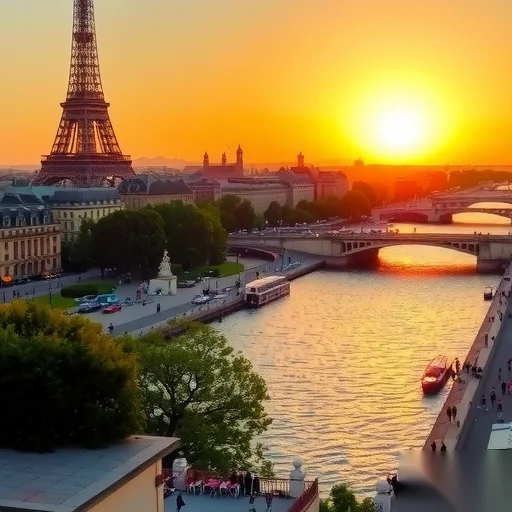
The image of the Eiffel Tower at sunset is amazing! It really captures the beauty of Paris and makes me more excited for my trip.