
If you’re planning a trip to Longjing Village in Zhejiang Province, you’re probably wondering how to make the most of your visit. The answer is simple: plan your trip with a clear understanding of the village’s unique charm, culture, and tea traditions. Longjing Village, known as the birthplace of Longjing tea, is a hidden gem that offers a peaceful retreat from the hustle and bustle of city life. With the right preparation, you can fully immerse yourself in the local tea culture, enjoy scenic views, and experience the warmth of the local community.
Longjing Village is a small, picturesque village nestled in the mountains of Hangzhou. It is famous for its high-quality green tea, which has been cultivated for centuries. The village’s reputation as a tea-growing region is well deserved, and visitors are often captivated by the lush tea plantations and the tranquil atmosphere. However, without proper planning, you might miss out on the full experience. Understanding the village’s history, tea-making process, and local customs can enhance your visit significantly.
The first step in exploring Longjing Village is to plan your itinerary. Start by researching the best times to visit—typically from March to April when the tea leaves are harvested. This is the most popular time for tourists, so you may want to consider visiting during the off-peak season to avoid crowds. Once you’ve chosen your dates, book a local tour or rent a bike to navigate the village. Many visitors find that hiring a local guide is the best way to learn about the history and culture of the area. A guide can take you to the best tea plantations, explain the tea-making process, and even offer a tasting session.
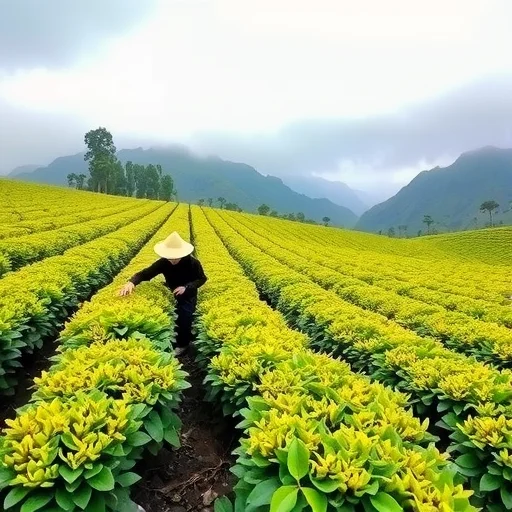
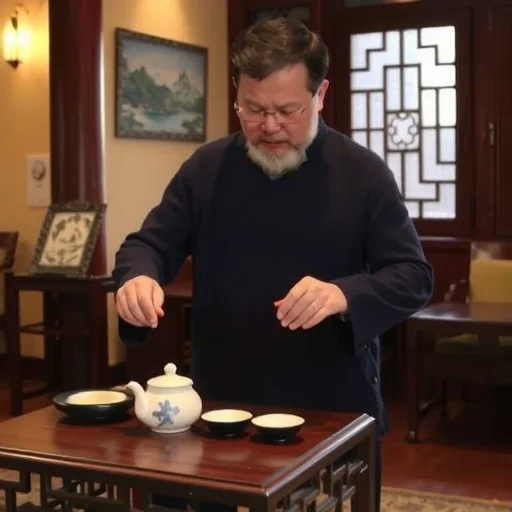
Another important aspect of visiting Longjing Village is understanding the tea culture. Longjing tea, also known as Dragon Well tea, is one of China’s most famous teas. It is known for its fresh, slightly sweet flavor and its distinctive flat, straight leaves. The tea is traditionally grown in the shaded hills of Longjing Village, where the cool climate and misty conditions create the perfect environment for the tea plants. During your visit, you can participate in a tea-picking activity or visit a local tea factory to see how the tea is processed. Learning about the tea-making process can give you a deeper appreciation for the craftsmanship involved.
For a more immersive experience, consider staying in a local homestay or boutique hotel. Many of these accommodations are built in traditional Chinese style and offer a glimpse into the village’s lifestyle. Staying in a homestay allows you to interact with local residents, who are often eager to share their knowledge and stories. You might even have the opportunity to try your hand at making tea or learning a few words of the local dialect.
If you’re a foodie, Longjing Village has a variety of local dishes that are worth trying. The village’s cuisine is simple but flavorful, often featuring fresh vegetables, rice, and seafood. Don’t miss the chance to sample Longjing tea paired with local dishes. Many tea houses and restaurants offer tasting menus that combine the region’s specialties with its famous tea.
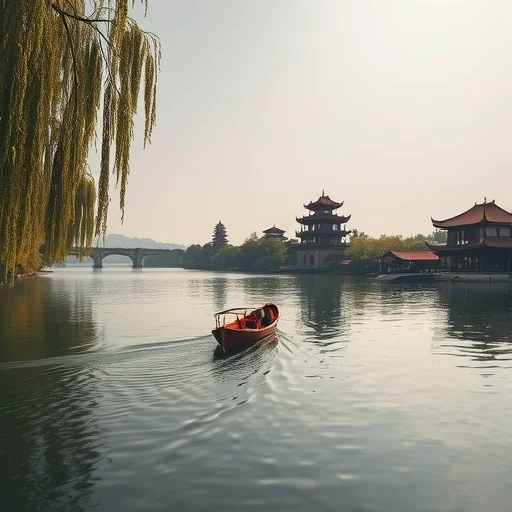
A visit to Longjing Village is not complete without exploring its scenic surroundings. The village is surrounded by lush green hills and tranquil rivers, making it an ideal destination for nature lovers. You can take a walk through the tea plantations, enjoy the peaceful atmosphere, or simply relax in one of the village’s many tea houses. The views are especially breathtaking in the early morning or late afternoon when the mist rolls in and the sunlight casts a golden glow over the landscape.
To make the most of your visit, it’s important to be respectful of the local culture and environment. Longjing Village is a place of quiet beauty, and visitors should take care to preserve its natural and cultural heritage. Avoid littering, be mindful of the local customs, and always ask for permission before photographing people or entering private homes.
One visitor shared their experience: “I visited Longjing Village during the spring tea harvest and had an unforgettable time. My guide took me through the tea plantations, explained the history of Longjing tea, and even let me try my hand at picking leaves. I also stayed in a homestay and enjoyed the local cuisine. It was a peaceful and enriching experience.”
Another visitor added: “I was surprised by how much I learned about the tea-making process. I had no idea how much work goes into producing a single cup of Longjing tea. The villagers were so welcoming, and I felt like I was part of the community.”
In summary, visiting Longjing Village is a rewarding experience that offers a



I’m planning a trip there next month—any tips on the best time to visit?
The tea plantation photo is stunning. I can almost smell the fresh tea leaves!
What a beautiful village! I’ve always wanted to visit Longjing and this guide makes it sound even more appealing.
I loved the step-by-step approach. It’s so helpful for first-time visitors like me.
Thanks for sharing this! I’ll definitely be adding Longjing to my travel bucket list.