
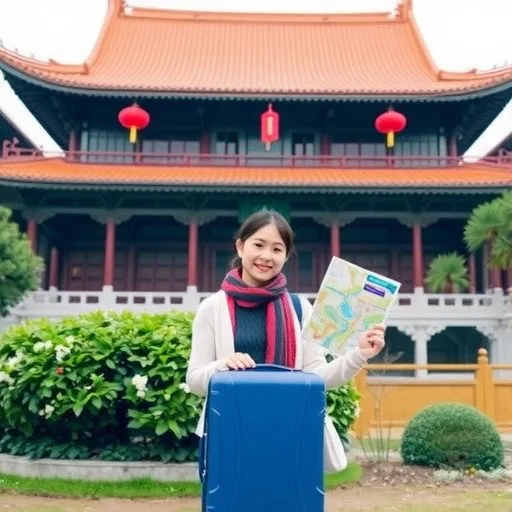
Traveling from Zhejiang to Thailand can be a dream come true for many, combining the serene beauty of China’s eastern provinces with the vibrant energy of Southeast Asia. But planning such a journey can feel overwhelming—how do you balance the cultural richness of Zhejiang with the excitement of Thailand? The answer lies in a well-structured itinerary that respects both destinations’ unique charms. This guide will help you create a seamless travel plan that maximizes your time and experience in both regions.
Zhejiang is known for its lush landscapes, ancient temples, and historic cities like Hangzhou, Shaoxing, and Wuzhen. Its beauty is often described as poetic, with rivers winding through ancient villages and tea plantations stretching across the hills. However, the region can be quite compact, and without a clear plan, it’s easy to feel like you’re missing out on key attractions. On the other hand, Thailand offers a completely different kind of adventure—beaches, temples, street food, and a rich cultural heritage. But with so much to see and do, it can be easy to feel lost or overwhelmed. The challenge is to create a travel plan that allows you to enjoy both without feeling rushed or underserved.
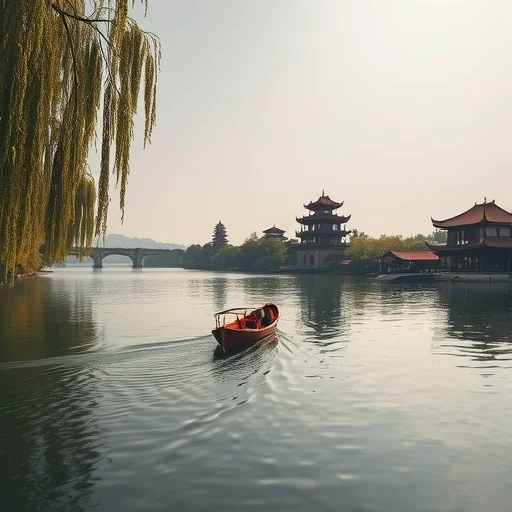
The key to a successful Zhejiang-Thai trip is to plan with purpose. Start by deciding how long you’ll be in each region. If you have a week, you might spend three days in Zhejiang and four in Thailand. If you have two weeks, you can explore more of each. Once you have a timeline, focus on the must-see attractions in both places. In Zhejiang, prioritize Hangzhou’s West Lake, the tea culture in Longjing, and the ancient water town of Wuzhen. In Thailand, Bangkok’s Grand Palace, Chiang Mai’s cultural sites, and Phuket’s beaches are all essential.
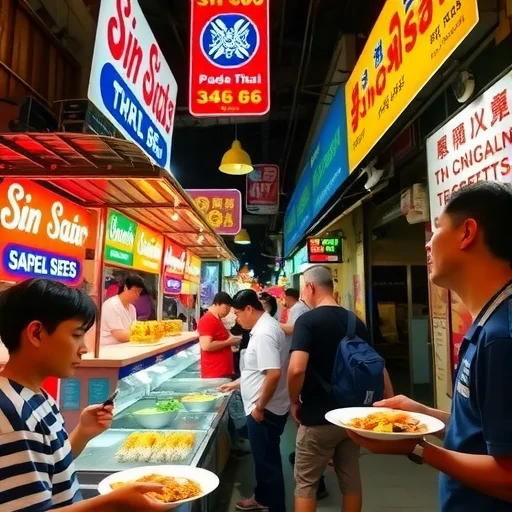
Creating a flexible itinerary is also crucial. While it’s important to have a general plan, allowing yourself time to explore local markets, try street food, or take a spontaneous detour can make the trip more memorable. For example, if you find a local market in Hangzhou that’s worth visiting, adjust your schedule to include it. Similarly, if you’re in Bangkok and come across a small temple that’s not on your list, take a detour. The goal is to enjoy the journey, not just check off destinations.
Let’s look at a real example of a Zhejiang-Thai travel plan. A traveler spent four days in Hangzhou, starting with a visit to West Lake and the iconic Su Causeway. They then explored the tea plantations in Longjing and visited the Hangzhou Olympic Sports Centre. The next day, they took a day trip to Wuzhen, where they wandered through the ancient waterways and enjoyed traditional tea. After a short flight to Bangkok, they spent three days in the city, visiting the Grand Palace, Wat Arun, and the bustling Chatuchak Market. The final day included a visit to the floating markets of Damnoen Saduak and a night cruise along the Chao Phraya River. This plan allowed for a balance of sightseeing, cultural immersion, and relaxation.
Another example involves a traveler who spent two weeks on the trip. They started with a three-day stay in Hangzhou, followed by two days in Shaoxing, where they explored the ancient canals and tea culture. They then flew to Chiang Mai for a week, where they visited temples, took cooking classes, and hiked in the mountains. Finally, they spent two days in Phuket, relaxing on the beaches and enjoying the local cuisine. This extended itinerary allowed for deeper exploration of both regions.
When planning your trip, consider the logistics. Zhejiang is well-connected by high-speed rail and domestic flights, making it easy to move between cities. Thailand, on the other hand, has an extensive network of domestic flights, buses, and trains. Make sure to book flights and transportation in advance, especially during peak travel seasons. Also, check visa requirements for both countries. Most Chinese citizens can visit Thailand without a visa for up to 30 days, while Zhejiang is part of China, so no visa is needed for domestic travel.
Finally, pack wisely. Zhejiang’s climate is generally mild, but you may want to bring light clothing for the summer months and a light jacket for the cooler spring and autumn. Thailand can be hot and humid, especially in the southern regions, so breathable clothing is essential. Don’t forget to bring


I’m planning a trip to Zhejiang and Thailand soon, and this guide has already helped me organize my itinerary better than any travel blog I’ve read before. Thanks for the detailed tips!
I love the mix of cultural experiences and food recommendations. Have you been to Hangzhou’s West Lake? It’s one of my favorite places to visit, and I’d love to know your top spots there.