

Traveling to Xinjiang during National Day doesn’t have to be overwhelming. With the right plan, you can experience the unique culture, stunning landscapes, and rich history of this vast region. This guide will help you create an unforgettable journey through Xinjiang, ensuring you make the most of your time there.
Xinjiang is a land of contrasts, where ancient Silk Road cities meet modern attractions, and natural wonders like the Taklamakan Desert and the Tian Shan Mountains offer breathtaking views. However, planning a trip to such a vast and diverse region can be challenging. The key is to focus on a few must-see destinations, plan your route efficiently, and understand the best times to visit each area.
First, it’s important to decide on the duration of your trip. A week-long itinerary can cover the most iconic spots, including Urumqi, Kashgar, and Turpan. If you have more time, you can extend your journey to include the Pamir Mountains or the remote villages of the Xinjiang Uyghur Autonomous Region.
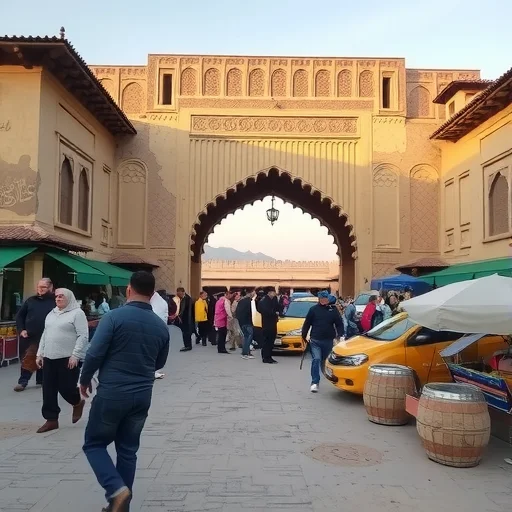
Next, you should prioritize the cities that offer the most cultural and historical experiences. Urumqi, the capital, is a great starting point. Here, you can visit the People’s Park, the Urumqi Museum, and the Red Mountain Scenic Area. From there, head to Kashgar, a historic Silk Road city known for its bazaars, mosques, and the ancient Khotan Dunhuang-style murals. Turpan is another must-visit, where you can explore the ancient city of Jiaohe and the famous Grape Valley.
Transportation in Xinjiang is primarily by road, with buses and private cars being the most common options. The region has an extensive network of highways, making it possible to travel between major cities. However, it’s important to plan your route in advance, especially if you’re driving. For those who prefer to travel by train or plane, Xinjiang has several major airports and train stations, including the Urumqi International Airport and the Urumqi Railway Station.
Accommodation in Xinjiang ranges from budget-friendly guesthouses to luxury hotels. In cities like Urumqi and Kashgar, there are plenty of options to suit different budgets. If you’re traveling with a group, consider booking a private tour or joining a guided excursion to ensure a smooth and safe journey.
Dining in Xinjiang is an adventure in itself. The local cuisine is rich in flavors, with dishes like lamb skewers, plov (pilaf), and hand-pulled noodles. Don’t miss the opportunity to try the famous Kashgar street food, which includes skewered meats, flatbreads, and sweet tea.
When visiting Xinjiang, it’s essential to respect the local culture and traditions. The region is home to the Uyghur people, who have a distinct way of life, language, and customs. Be mindful of local dress codes, especially in religious sites, and always ask for permission before taking photos of people.
One of the best ways to experience Xinjiang is through a well-planned itinerary that balances sightseeing with relaxation. For example, a typical day might start with a visit to a local market, followed by a tour of historical sites, and end with a meal at a local restaurant. This approach allows you to immerse yourself in the culture while avoiding the stress of last-minute planning.
A real-world example of a successful trip to Xinjiang involves a group of travelers who spent seven days exploring the region. They started in Urumqi, then traveled to Kashgar, where they spent two days exploring the old city and its bazaars. From there, they moved to Turpan, where they visited the ancient city of Jiaohe and tasted the famous grapes. The final day was spent in the nearby town of Karamay, where they enjoyed the natural beauty of the surrounding mountains.
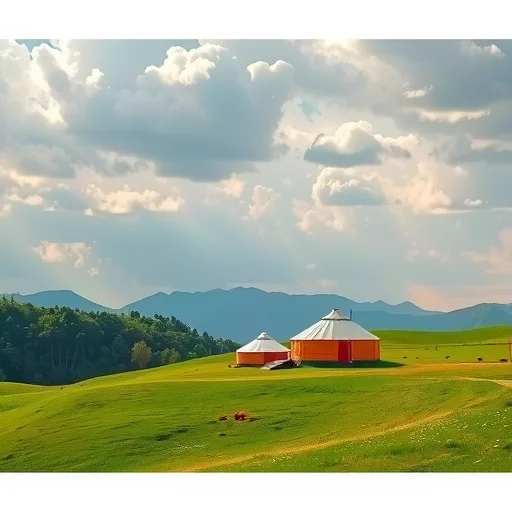
In addition to the cultural and historical attractions, Xinjiang offers some of the most stunning natural landscapes in China. The Taklamakan Desert, the highest mountain range in Central Asia, and the vast grasslands of the Ili River Valley are just a few of the natural wonders you can experience. These areas are best visited during the spring and autumn months when the weather is mild and the scenery is at its most beautiful.
When planning your trip, it’s also important to consider the best time to visit each destination. For example, the best time to visit the Grape Valley is from June to August, when the grapes are in season. If you’re interested in seeing the snow-capped peaks of the Tian Shan Mountains, the best time is from September to November.
Finally, it’s crucial to prepare for the weather in Xinjiang. The region has a continental climate, with hot summers and cold winters. During National Day, the weather is typically pleasant, but it’s still a good idea to pack layers of clothing to stay comfortable.
Traveling to Xinjiang during National Day is a unique opportunity to experience one of China’s most diverse and culturally rich regions. With careful planning and a focus on the most essential experiences, you can create a memorable journey that highlights the beauty and history of Xinjiang. A perfect National Day trip to Xinjiang requires careful planning and cultural awareness.
NationalDayAdventure#



The itinerary suggestions are practical and well-organized. I especially liked the section on local cuisine.
The travel tips and route planning made my trip much smoother. I would definitely recommend this guide to others.
This guide has been incredibly helpful. I now feel more confident about planning my trip to Xinjiang.
I followed the tips and had an amazing time in Xinjiang. The recommendations for places to visit were spot-on.
The advice on respecting local culture was very insightful. I made sure to follow it and had a great experience.