

Traveling to Xinjiang is a dream for many, but the vastness of the region, diverse cultures, and complex logistics can make planning a trip feel overwhelming. The key to a successful Xinjiang trip lies in understanding the region’s unique characteristics and preparing accordingly. This guide will help you navigate the essentials of Xinjiang travel, ensuring you make the most of your time in this breathtaking part of China.
Xinjiang is one of China’s most culturally rich and geographically diverse regions, stretching across deserts, mountains, and grasslands. It is home to the Uyghur people, as well as numerous ethnic minorities, each with their own traditions, languages, and customs. The region is also famous for its natural wonders, including the Taklamakan Desert, the Pamir Mountains, and the ancient Silk Road cities like Kashgar and Turpan. However, due to its size and remote location, planning a trip to Xinjiang requires careful consideration of transportation, accommodation, and cultural sensitivity.
One of the first things to consider is transportation. Xinjiang is vast, and the best way to explore it is by road or air. Domestic flights are the fastest way to reach major cities like Urumqi, the capital, or Kashgar. From there, you can rent a car or join a guided tour to explore the region. Public transportation, such as buses and trains, is available but may be limited and less comfortable. If you’re planning to travel independently, it’s essential to plan your route in advance and book accommodations in advance, especially during peak travel seasons.
Another important factor is the climate. Xinjiang experiences extreme weather conditions, with hot summers and cold winters. The desert areas can get very hot in the summer, while the mountainous regions can be freezing in the winter. It’s crucial to pack clothing that can adapt to these changes. Lightweight clothing is ideal for summer, while warm layers are necessary for the colder months. Don’t forget to bring a hat, sunglasses, and sunscreen for the sunny days, and a scarf and gloves for the cooler nights.
Accommodation in Xinjiang can vary from budget-friendly guesthouses to luxury hotels. In cities like Urumqi and Kashgar, there are many options to choose from. However, in more remote areas, such as the Taklamakan Desert or the Pamir Mountains, accommodations may be more limited. It’s advisable to book in advance, especially during peak travel seasons like May to September, when the weather is most pleasant and the region is most accessible.
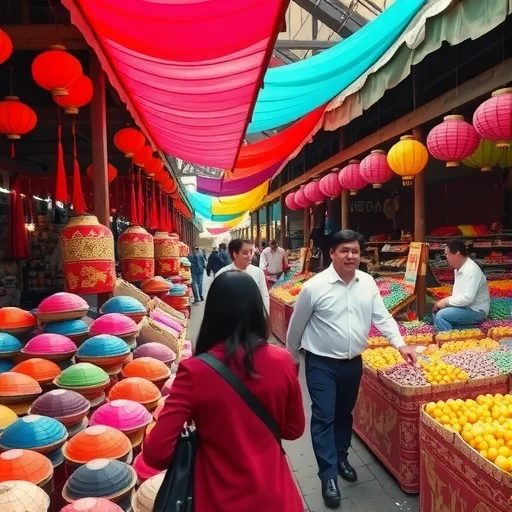
Food is another important aspect of Xinjiang travel. The region is known for its delicious cuisine, including dishes like lamb skewers, hand-pulled noodles, and plov (a rice dish). Local markets are a great place to sample the food and experience the vibrant culture. However, it’s important to be mindful of dietary restrictions and preferences. Many restaurants in Xinjiang offer a variety of options, but it’s always a good idea to ask about ingredients and preparation methods.
Cultural sensitivity is also crucial when visiting Xinjiang. The region is home to a diverse population, and respecting local customs and traditions is essential. It’s important to dress modestly, especially when visiting religious sites or rural areas. Women should cover their shoulders and knees, and men should avoid wearing shorts in certain areas. It’s also advisable to be respectful of local languages and to learn a few basic phrases to show appreciation for the culture.
A case example of a successful Xinjiang trip would be a traveler who planned their itinerary in advance, booked accommodations early, and prepared for the climate. For instance, a traveler who visited Urumqi, Kashgar, and the Pamir Mountains during the spring season was able to enjoy the beautiful landscapes and experience the local culture without the challenges of extreme weather. They also took the time to learn a few Uyghur phrases and dressed appropriately, which helped them connect with the locals and enhance their overall experience.
In addition to the practical considerations, it’s important to have a flexible mindset. Xinjiang is a place of contrasts, with both modern cities and ancient traditions. Embracing the unexpected and being open to new experiences can make your trip more memorable. Whether it’s meeting a local family, trying a new dish, or simply watching the sunset over the desert, each moment in Xinjiang has the potential to be special.
Traveling to Xinjiang is not just about seeing beautiful landscapes; it’s about immersing yourself in a unique culture and experiencing the warmth of the people. With proper planning and an open heart, your Xinjiang trip can be one of the most rewarding journeys of your life. A seamless Xinjiang trip requires preparation, cultural respect, and flexibility.
CulturalExploration#




I had to do a lot of research before going, but it was worth it. The landscapes and people made the trip unforgettable.
Traveling with a local guide was the best decision I made. It gave me a deeper understanding of the culture and history of Xinjiang. I would highly recommend it to anyone planning a trip.
The food in Xinjiang was amazing. I tried so many dishes, and the locals were very friendly and welcoming. It was a great experience.
I was worried about the weather, but I packed properly and had a great time. The desert views were breathtaking.
Xinjiang is a place that should be on every traveler’s bucket list. The natural beauty and cultural richness are unmatched.