

Traveling to Xinjiang can be a dream come true for many, but without a clear plan, it can quickly turn into a confusing and overwhelming experience. This guide will help you create a well-structured Xinjiang travel itinerary that covers the must-see attractions, local culture, and practical tips to make your trip unforgettable.
Xinjiang is a vast region with diverse landscapes, from the towering Pamir Mountains to the endless deserts and the lush grasslands of the Ili Valley. To make the most of your time, it’s essential to plan your route carefully. This guide will walk you through the key steps to create a personalized travel plan that fits your interests, budget, and travel style.
First, decide on the duration of your trip. Xinjiang is a large region, and a typical itinerary takes at least 15 days to fully experience its highlights. If you have less time, focus on the core areas like Urumqi, Kashgar, and the Taklamakan Desert. For a more in-depth exploration, consider including the Pamir Mountains and the Ili Valley.
Next, choose the best time to visit. The best months are April to June and September to October, when the weather is mild and the scenery is at its most beautiful. Avoid traveling during the summer months (July to August) when temperatures can be extremely high, and winter (December to February) when some areas may be inaccessible due to snow.
Once you have your timeframe, plan your route. A popular route starts in Urumqi, the capital city, and moves to Kashgar, where you can explore the old town and the Silk Road heritage. From there, head to the Taklamakan Desert and the city of Turpan, known for its ancient ruins and delicious fruits. For a more adventurous route, include the Pamir Mountains and the remote villages of the Xinjiang Uyghur Autonomous Region.
Each destination in Xinjiang has its own unique charm, so it’s important to allocate enough time to each place. For example, Urumqi is a great starting point to rest and acclimate, while Kashgar offers a rich cultural experience with its historical sites and local markets. The Taklamakan Desert is a must-visit for those who enjoy natural landscapes, and Turpan is a food lover’s paradise with its famous grapes and dried fruits.
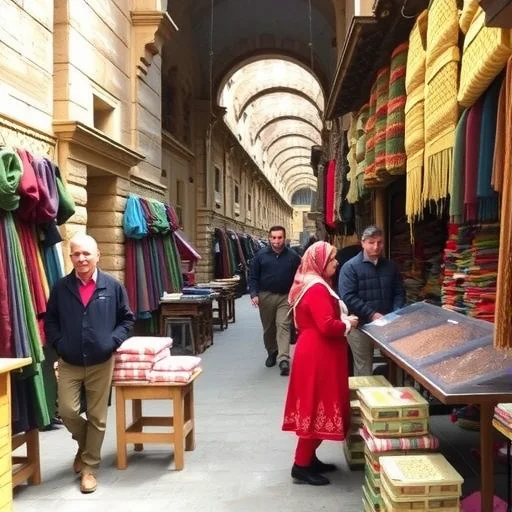
In addition to the main attractions, consider including local experiences such as visiting a Uyghur family, trying traditional dishes like lagman and plov, and exploring the vibrant markets in cities like Kashgar and Yarkand. These experiences will give you a deeper understanding of the local culture and make your trip more memorable.
For those who prefer a more relaxed pace, a self-driving tour is an excellent option. Renting a car allows you to explore at your own pace and enjoy the scenic routes that connect the major cities and attractions. However, be sure to check the road conditions and weather forecast before setting off.
If you’re short on time, a guided tour can be a great alternative. Many tour operators offer customized itineraries that include transportation, accommodation, and local guides. This is especially useful if you’re unfamiliar with the region and want to ensure a smooth and hassle-free trip.
A sample itinerary for a 15-day trip might look like this:
Day 1–2: Arrive in Urumqi, explore the city and acclimate.
Day 3–5: Travel to Kashgar, visit the old town, and experience the Silk Road culture.
Day 6–7: Head to the Taklamakan Desert and stay in a desert camp.
Day 8–9: Visit Turpan and the ancient city of Jiaohe.
Day 10–12: Explore the Pamir Mountains and the remote villages.
Day 13–14: Return to Urumqi or continue to the Ili Valley.
Day 15: Departure or leisure time in Urumqi.
This itinerary ensures that you cover the main highlights of Xinjiang while allowing time to rest and enjoy the local culture. It also provides flexibility to adjust based on your personal interests and travel pace.
One of the most rewarding aspects of traveling to Xinjiang is the opportunity to experience the rich cultural heritage and natural beauty of the region. Whether you’re exploring the ancient Silk Road cities, hiking through the mountains, or relaxing in the desert, each destination offers a unique and unforgettable experience.
To make your trip even more enjoyable, be sure to pack appropriate clothing for the climate, including warm layers for the evenings and lightweight clothing for the days. Also, bring a reusable water bottle, as many areas in Xinjiang have limited access to clean drinking water.
Finally, be respectful of the local culture and traditions. Xinjiang is home to a diverse population, and showing respect to the local customs will enhance your travel experience and help you connect with the people you meet along the way.
By following these steps and planning your itinerary carefully, you can ensure that your Xinjiang trip is both enjoyable and fulfilling. Whether you’re a first-time visitor or a seasoned traveler, this guide will help you make the most of your time in this incredible region. A well-planned Xinjiang itinerary ensures a memorable and culturally enriching travel experience.
TravelItinerary#




The information about local culture and food was very insightful. I’m looking forward to trying the traditional dishes in Xinjiang.
This guide has helped me plan my trip to Xinjiang and I’m excited to visit all the places mentioned. I appreciate the detailed itinerary and practical tips.
The route suggestions are very helpful. I’m especially interested in the desert and mountain parts. Thank you for the detailed advice.