

Traveling to Xinjiang can be overwhelming with its vast landscapes, diverse cultures, and rich history. This guide provides a clear solution to help you plan your trip effectively, ensuring you experience the best of Xinjiang without the stress of uncertainty.
Xinjiang is one of China’s most unique regions, known for its stunning natural beauty, ancient Silk Road heritage, and vibrant ethnic cultures. From the majestic Tian Shan mountains to the vast deserts and the serene lakes, Xinjiang offers something for every traveler. However, planning a trip to this region requires careful consideration of transportation, accommodation, and cultural etiquette. This guide will walk you through the essential steps to make your Xinjiang adventure unforgettable.
Before you start planning, it’s important to understand the key factors that influence a successful trip. First, timing is crucial. The best months to visit Xinjiang are from April to October, when the weather is pleasant and the natural scenery is at its most vibrant. During these months, you can enjoy the blooming flowers in the spring and the golden fields in the autumn. However, if you’re interested in experiencing the unique winter landscapes, such as the snow-covered mountains or the frozen lakes, November to February is also a great time to visit.
Next, consider the transportation options. Xinjiang is a large region with many remote areas, so choosing the right mode of travel is essential. Domestic flights are the fastest way to reach major cities like Urumqi, the capital of Xinjiang. From there, you can travel by bus, train, or even rent a car to explore the surrounding areas. For those who prefer a more adventurous route, taking a train from Beijing or Shanghai to Urumqi is a popular choice. Additionally, there are regular flights to cities like Kashgar and Kashgar, which are gateways to the Silk Road.
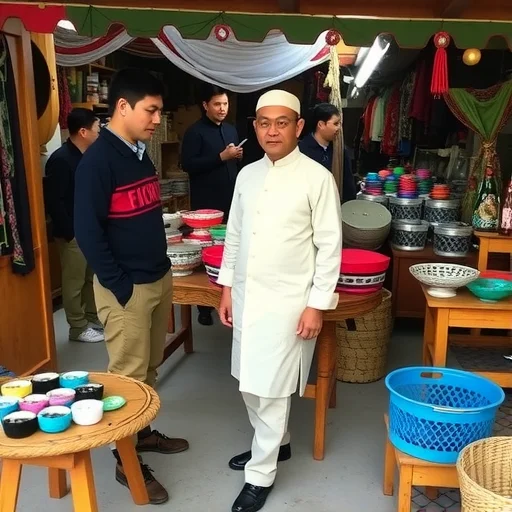
Accommodation is another important aspect. Xinjiang offers a wide range of lodging options, from budget-friendly guesthouses to luxury hotels. In cities like Urumqi and Kashgar, you’ll find a variety of choices that cater to different budgets and preferences. For a more authentic experience, consider staying in a local homestay or a traditional yurt camp in the countryside. These accommodations often provide a glimpse into the daily life of the local communities and are ideal for travelers who want to immerse themselves in the culture.
Cultural etiquette is also a key consideration when visiting Xinjiang. The region is home to multiple ethnic groups, including the Uyghur, Kazakh, and Hui, each with its own traditions and customs. It’s important to respect local traditions and dress modestly, especially when visiting religious sites. For example, when entering a mosque, it’s customary to remove your shoes and maintain a respectful demeanor. Additionally, learning a few basic phrases in Uyghur or Kazakh can go a long way in building rapport with the locals and enhancing your travel experience.
To help you plan your trip effectively, here’s a step-by-step guide:
Choose the right time to visit based on your interests and the weather conditions.
Decide on your travel mode—whether it’s flying, taking a train, or driving.
Book accommodation in advance, especially during peak season.
Research the cultural norms and etiquette of the regions you’ll be visiting.
Pack appropriate clothing and gear based on the season and your planned activities.
Let’s look at a real-world example. Suppose you’re planning a 7-day trip starting from Urumqi. On day one, you could visit the Urumqi Botanical Garden and the Red Mountain. On day two, take a day trip to the Kashgar Old Town, where you can explore the bustling bazaars and enjoy local cuisine. Day three might involve a visit to the Tianshan Mountains or the nearby Turpan Basin, where you can see the famous Grape Valley. In the evenings, you can relax in a local restaurant and try traditional dishes like lagman noodles or pilaf.
By following these steps, you can ensure a well-organized and enjoyable trip. Whether you’re a first-time visitor or a seasoned traveler, Xinjiang offers a unique blend of natural beauty, cultural richness, and historical significance that is sure to leave a lasting impression.
Traveling to Xinjiang is more than just visiting a destination—it’s an opportunity to connect with a diverse culture, explore breathtaking landscapes, and experience the rich history of the Silk Road. With the right planning and preparation, you can create a memorable journey that highlights the best of what Xinjiang has to offer. A comprehensive guide to Xinjiang travel for an unforgettable journey.
SilkRoadAdventure#



Traveling to Xinjiang was the best decision I made this year. The people were friendly, the food amazing, and the scenery beyond words.
I followed the steps in the guide and it worked perfectly. The itinerary was easy to follow and covered everything I wanted to see.
The cultural insights were a big plus. I felt respected and welcomed by the locals, which made the trip even more special.
The guide was incredibly helpful. I didn’t know much about Xinjiang before, but now I’m planning my next trip with confidence.
The images in the guide were so inspiring. It gave me a clear idea of what to expect and helped me prepare better for the trip.