
Traveling to Tibet on your own can be a dream come true, but it also comes with its own set of challenges. This guide will walk you through the essential steps to plan a self-guided trip to Tibet, ensuring a safe, enjoyable, and culturally enriching experience.
Tibet is a unique destination, known for its breathtaking landscapes, rich cultural heritage, and spiritual significance. However, it is also a region with strict regulations and logistical complexities. For first-time travelers, navigating these challenges can be overwhelming. The key to a successful self-guided trip lies in thorough preparation, understanding local rules, and choosing the right travel routes.
Before you begin planning your trip, it is important to understand the basics of traveling to Tibet. First, you must obtain a Tibet Travel Permit, which is required for all foreign visitors. This permit is issued by the Tibet Tourism Bureau and can only be obtained through a registered travel agency. It is not possible to apply for this permit independently. Additionally, you must have a valid passport, a Tibet Entry Permit, and a Tibet Travel Permit. You will also need to provide proof of your travel itinerary, including accommodation bookings and transportation arrangements.
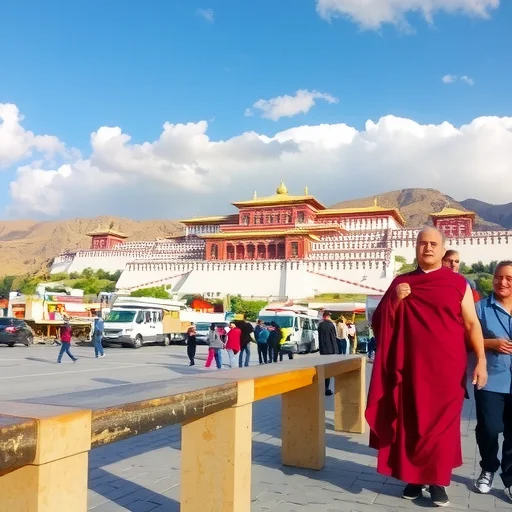
Once you have your permits, the next step is to plan your itinerary. Tibet is vast and diverse, with different regions offering unique experiences. Popular destinations include Lhasa, the capital city, which is home to the Potala Palace and Jokhang Temple; Shigatse, known for its ancient monasteries; and Mount Kailash, a sacred site for pilgrims. It is important to consider the altitude and weather conditions when planning your route. Many travelers start their journey in Lhasa, as it serves as the gateway to the region and allows for acclimatization.
Another crucial aspect of planning a self-guided trip to Tibet is transportation. The most common ways to travel within Tibet are by bus, train, or private vehicle. However, due to the remote nature of the region, many travelers opt for guided tours or hire local guides to ensure a smooth and safe journey. If you choose to travel independently, it is essential to book transportation in advance and be aware of the road conditions. Some areas, such as the Qinghai-Tibet Plateau, can be difficult to access during certain seasons.
Accommodation is another important consideration. There are various options available, ranging from budget-friendly guesthouses to luxury hotels. It is advisable to book accommodations in advance, especially during peak travel seasons. Many hotels and guesthouses in Tibet offer amenities such as heating, Wi-Fi, and local cuisine, which can enhance your overall experience.
In addition to logistics, it is important to respect the local culture and traditions. Tibet has a deep spiritual heritage, and visitors are expected to behave respectfully, especially when visiting religious sites. Dressing modestly, avoiding loud behavior, and following local customs can help you integrate better with the local community.
Let’s take a look at a real example of a self-guided trip to Tibet. A traveler named Sarah decided to visit Tibet on her own. She started by researching the necessary permits and contacted a travel agency to obtain her Tibet Travel Permit. She then planned her itinerary, starting in Lhasa and moving to Shigatse and Mount Kailash. She booked a bus ticket from Lhasa to Shigatse and rented a private vehicle for the journey to Mount Kailash. She stayed in guesthouses along the way and made sure to acclimatize properly. Her trip was successful, and she was able to experience the beauty and culture of Tibet without any major issues.
In summary, planning a self-guided trip to Tibet requires careful preparation, understanding the local regulations, and choosing the right travel routes. With proper planning and respect for the local culture, you can have an unforgettable experience in this unique and beautiful region.

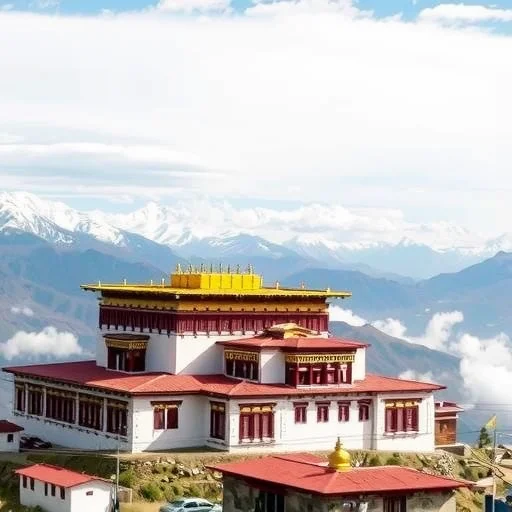
A self-guided trip to Tibet requires proper planning, permits, and cultural awareness.
SelfGuidedTrip#
This guide saved me a lot of time and stress. It covered everything from permits to cultural etiquette, which made my trip smooth and enjoyable.
I was worried about navigating Tibet alone, but this guide gave me the confidence to plan my own trip. Highly recommend it to first-time travelers.
I followed the advice on acclimatization and it helped me avoid altitude sickness. The tips on transportation and accommodation were also very useful.
Traveling to Tibet on your own is possible with the right preparation and guidance. I followed the steps outlined in this guide and had an incredible experience.
The information about the Tibet Travel Permit and local customs was especially helpful. It made a big difference in my trip planning.