
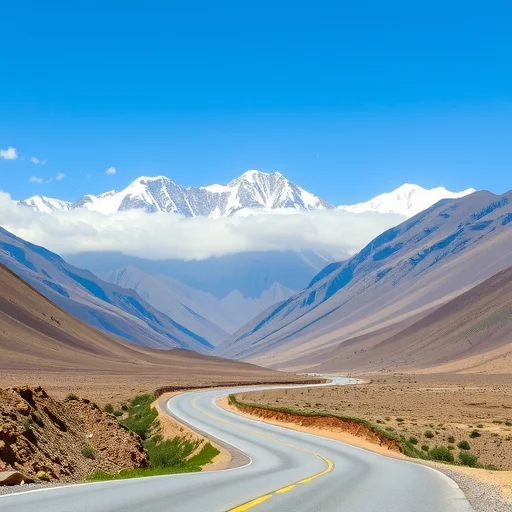
Traveling to Tibet by car is a dream for many, but it can also be a challenge. The key to a successful self-driving tour of Tibet lies in proper preparation, understanding the terrain, and respecting local customs. This guide will help you plan your journey effectively and ensure a safe, unforgettable experience.
Tibet is known for its breathtaking landscapes, rich cultural heritage, and spiritual significance. However, the high altitude, unpredictable weather, and remote roads make it essential to plan carefully. Whether you’re a seasoned traveler or a first-time visitor, knowing what to expect and how to prepare will make your trip smoother and more enjoyable.
Before you start planning your self-driving tour, it’s important to understand the basic requirements and challenges. Tibet has a high altitude, which can lead to altitude sickness, so acclimatization is crucial. Additionally, the roads can be rough, especially in the mountainous regions, and some areas may have limited access to services. It’s also important to respect local customs and religious practices, as Tibet is a deeply spiritual region.
To ensure a smooth journey, you should start by researching the best routes and planning your itinerary in advance. The most common routes include the Qinghai-Tibet Highway, the Sichuan-Tibet Highway, and the Xinjiang-Tibet Highway. Each route has its own unique attractions and challenges, so choosing the right one depends on your travel goals and physical condition.
Another important aspect is obtaining the necessary permits. Tibet requires a travel permit for foreign visitors, which can be obtained through a local travel agency. It’s also advisable to get a Tibet Travel Permit (TTP) and a Permit for the Tibet Autonomous Region (TAR). These permits are essential for entry and can be applied for in advance.
When it comes to vehicle preparation, it’s important to choose a reliable car that can handle the high altitude and rough terrain. A four-wheel drive vehicle is recommended, especially if you’re planning to travel to remote areas. You should also check the condition of your car before departure, ensuring that it has enough fuel, spare tires, and essential tools.
In terms of packing, it’s best to bring warm clothing, as temperatures can drop significantly at night, even during summer. You should also carry medications for altitude sickness, as well as basic first aid supplies. It’s also advisable to bring a portable charger, as power outlets may be limited in some areas.
To make the most of your self-driving tour, it’s important to plan your stops and rest days. Tibet is vast, and driving long distances without rest can be exhausting. You should also consider visiting popular attractions such as Lhasa, the Potala Palace, the Jokhang Temple, and the Mount Kailash circuit. These sites offer a unique glimpse into Tibetan culture and history.
One of the best ways to experience Tibet is by driving along the Qinghai-Tibet Highway, which offers stunning views of the Tibetan Plateau and the Himalayas. However, this route can be challenging, with long stretches of road and limited services. It’s important to drive carefully and take regular breaks to avoid fatigue.
For those looking for a more scenic route, the Sichuan-Tibet Highway is a great option. This route passes through the Sichuan Province and offers a mix of mountainous landscapes and cultural sites. However, it’s also important to be prepared for the altitude and weather conditions along the way.
If you’re planning a longer trip, the Xinjiang-Tibet Highway is another option. This route connects Tibet with Xinjiang and offers a unique blend of cultures and landscapes. However, it can be more difficult to access and may require additional planning.
A good example of a successful self-driving tour is a group of travelers who planned their trip for three weeks, starting from Lhasa and covering the major highlights of Tibet. They obtained the necessary permits in advance, packed appropriately, and took regular breaks to acclimatize. Their journey included visits to the Potala Palace, the Jokhang Temple, and the Mount Kailash circuit, and they managed to avoid any major issues by following the advice of local guides and fellow travelers.
In addition to the practical aspects, it’s important to be respectful of the local culture and environment. Tibet is home to many monasteries and sacred sites, and it’s essential to follow the rules and traditions of the region. This includes dressing modestly, avoiding loud noises in temples, and not littering.
Overall, planning a self-driving tour of Tibet requires careful preparation, a good understanding of the terrain and weather, and a respectful approach to the local culture. With the right mindset and preparation, your journey through Tibet can be one of the most rewarding experiences of your life.

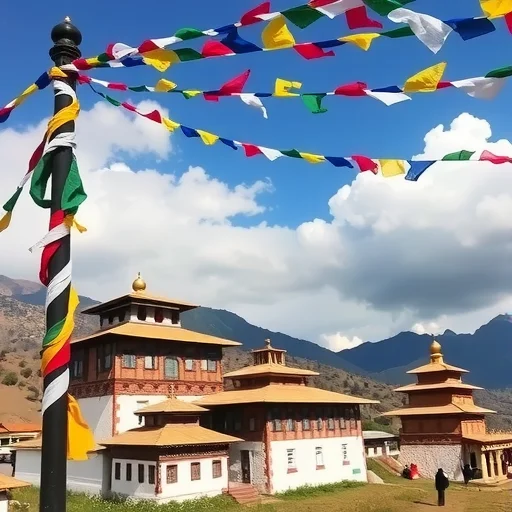
A well-planned self-driving tour of Tibet offers unforgettable experiences and cultural insights.
TibetTravelTips#

The tips on respecting local culture were a great addition. I made sure to follow the guidelines and had a respectful and meaningful experience.
The guide was very helpful. I followed all the steps and had an amazing trip. I would recommend it to anyone planning a self-driving tour of Tibet.
This is the most comprehensive guide I’ve found. It covered everything from permits to packing tips. I felt confident going into my trip.
The advice on altitude sickness and acclimatization was especially useful. I made sure to take it slow and had no issues.
I appreciated the real-life example of a successful self-driving tour. It gave me a clear idea of what to expect.