
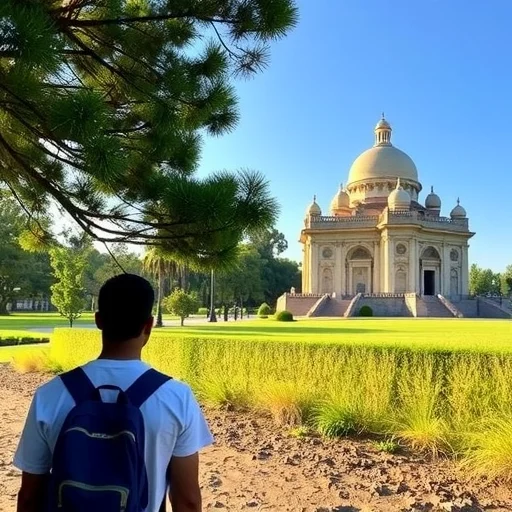
Tibet is a dream destination for many travelers, but for Taiwanese visitors, there are specific requirements and procedures to follow. This guide will walk you through the essential steps to plan your trip to Tibet, ensuring a smooth and enjoyable experience.
If you’re planning to visit Tibet as a Taiwanese, the first thing you need to know is that you must apply for a Tibet Travel Permit (TTP) before your trip. Unlike mainland Chinese citizens, Taiwanese travelers are not automatically allowed to visit Tibet without this permit. The process involves several steps, including submitting your passport, itinerary, and proof of accommodation. Once approved, you will receive a TTP that allows you to enter the region.
In addition to the TTP, you will also need a valid passport with at least six months of validity remaining. It’s important to ensure that your passport has a clear and unexpired visa stamp for China, as you will need to enter the country through a designated border checkpoint. Some airlines and travel agencies may also require you to provide a copy of your passport for processing.
Before applying for the TTP, you should also decide on your travel route and duration. Tibet is a vast region with many attractions, and your itinerary will influence the type of permit you need. For example, if you plan to visit Lhasa, the capital, you may need a different permit than if you intend to travel to the Everest region. It’s also a good idea to book your flights and accommodations in advance, as Tibet is a popular destination and availability can be limited.
The TTP application process can take several weeks, so it’s best to start early. You can apply through a licensed travel agency in Taiwan, which can assist with the paperwork and ensure that your application meets all the requirements. Some agencies also offer guided tours to Tibet, which can be a great option for first-time visitors.
Once you have your TTP, you can proceed with your travel plans. Upon arrival in Tibet, you will need to present your permit at the border checkpoint. You may also be required to show proof of your accommodation and itinerary. It’s important to keep your TTP safe and to have a copy with you at all times.
Another important consideration is the physical condition required for traveling in Tibet. The altitude can be a challenge for some visitors, so it’s recommended to acclimatize properly before heading to higher altitudes. Many travelers choose to spend a day or two in Lhasa to adjust to the altitude before continuing their journey.
In terms of transportation, Tibet has a variety of options, including domestic flights, trains, and buses. The most common way to reach Tibet is by flying into Lhasa Gonggar Airport. From there, you can travel to other parts of the region by car, train, or bus. It’s important to check the schedules and availability of these transportation options in advance.
If you’re planning a longer trip, you may also consider visiting neighboring regions such as Sichuan, Qinghai, and Yunnan. These areas offer a range of cultural and natural attractions, and they can be combined with your Tibet itinerary to create a more comprehensive travel experience.
To illustrate the process, let’s look at a real example. A Taiwanese traveler named Chen Ming wanted to visit Lhasa and the Everest region. He first contacted a travel agency in Taiwan that specializes in Tibet tours. The agency helped him apply for the TTP, which took about three weeks to process. Once he had his permit, he booked a flight to Lhasa and arranged a guided tour for the Everest region. During his trip, he followed the recommended acclimatization plan and enjoyed the stunning landscapes and cultural experiences.
In addition to the TTP, it’s also important to be aware of the cultural and environmental guidelines in Tibet. Visitors are encouraged to respect the local customs and traditions, and to follow the rules set by the local authorities. This includes dressing appropriately, especially when visiting monasteries or religious sites. It’s also important to be mindful of the environment and to minimize your impact on the natural surroundings.
Overall, planning a trip to Tibet as a Taiwanese requires careful preparation and attention to detail. By understanding the requirements, following the steps, and being respectful of the local culture, you can ensure a memorable and rewarding experience. Travel to Tibet as a Taiwanese requires proper preparation and permits.
TaiwanPermit#



This is exactly what I needed. I’ve been planning a trip for months, and this guide made everything much easier to understand.
Many thanks for this detailed guide. I was worried about the permit process, but it’s clear now. I’ll start applying soon.
Great advice on acclimatization and cultural respect. I feel more prepared now. Thank you!
The step-by-step process was very helpful. I didn’t know where to start, but this guide gave me a clear path.
I’m glad I read this before booking my trip. It saved me a lot of time and stress.