

Planning a trip to Sichuan can be overwhelming with so many attractions, foods, and experiences to explore. The key to a successful journey lies in understanding the region’s unique culture, geography, and travel tips. This guide provides a clear, step-by-step approach to help you make the most of your time in Sichuan, ensuring a smooth and unforgettable experience.
Sichuan is a province in southwest China known for its diverse landscapes, rich history, and mouthwatering cuisine. From the ancient city of Chengdu to the breathtaking Huanglong Scenic Area, there’s something for every traveler. However, planning a trip without proper guidance can lead to missed opportunities, unnecessary stress, and an unbalanced itinerary. The solution is to approach your trip with a well-structured plan that balances sightseeing, food, and relaxation.
Before you start planning, it’s essential to understand the basics of traveling in Sichuan. The province is divided into several regions, each with its own distinct charm. Chengdu, the capital, is a hub for modern culture and traditional tea houses. Leshan is famous for its massive Buddha statue, while Jiuzhaigou Valley offers stunning natural beauty. Knowing which areas to prioritize based on your interests will save you time and money.
Choosing the right time to visit is also crucial. Spring and autumn are the best seasons, as the weather is mild and the scenery is at its most picturesque. During the winter months, the region can be quite cold, and some attractions may be closed for maintenance. Additionally, consider local festivals, such as the Lantern Festival in Chengdu, which can add a unique cultural dimension to your trip.
Once you’ve decided on the best time and areas to visit, it’s time to create a detailed itinerary. Start by booking flights or train tickets to Chengdu, as it serves as the main gateway to the province. From there, you can explore nearby attractions like the Chengdu Research Base of Giant Panda Breeding, Du Fu Thatched Cottage, and Jinli Ancient Street. If you have more time, consider extending your trip to Leshan or Jiuzhaigou Valley.
Accommodation is another important consideration. Chengdu offers a wide range of options, from budget hostels to luxury hotels. Staying in the city center provides easy access to restaurants and transportation. If you’re planning to visit Jiuzhaigou, it’s advisable to book a hotel in the nearby town of Piancheng or even a mountain resort for a more immersive experience.
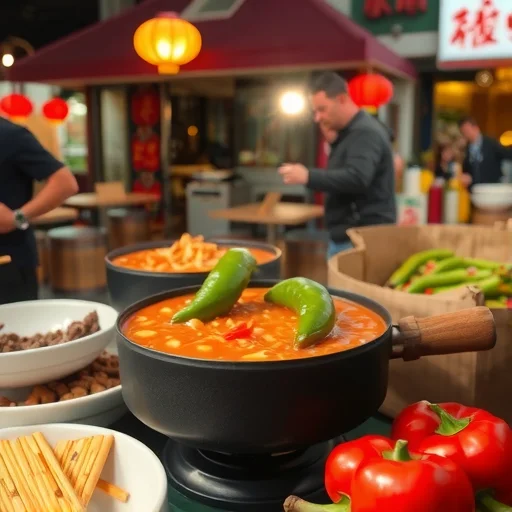
Food is an essential part of any trip to Sichuan. The local cuisine is known for its bold flavors and use of spices, particularly the numbing and spicy Sichuan peppercorn. Don’t miss the chance to try dishes like Mapo Tofu, Hot Pot, and Dan Dan Noodles. However, it’s important to be mindful of the spice level and adjust it to your taste. Many restaurants in Chengdu offer mild versions of traditional dishes, making it easier for newcomers to enjoy the local flavors.
Transportation within Sichuan can be a bit challenging, especially if you’re visiting multiple regions. The province has an extensive railway network, making it easy to travel between major cities. However, for more remote areas like Jiuzhaigou, you may need to take a bus or hire a private car. It’s advisable to plan your transportation in advance and book tickets through reliable platforms to avoid last-minute issues.
To give you a better idea of how to structure your trip, let’s look at a sample itinerary. A typical 7-day trip might start with arriving in Chengdu, spending two days exploring the city, then heading to Leshan for a day trip to the Giant Buddha, followed by a few days in Jiuzhaigou Valley. This allows you to experience the cultural and natural highlights of Sichuan without feeling rushed.
Traveling to Sichuan can be an enriching experience, but it requires careful planning and preparation. By understanding the region’s unique features, choosing the right time to visit, and creating a well-structured itinerary, you can ensure a smooth and enjoyable trip. Whether you’re a foodie, a history enthusiast, or a nature lover, Sichuan has something to offer for everyone.
I followed this guide and had an amazing trip. The itinerary was perfect, and the food was unforgettable. I would definitely come back.
The tips on transportation and local cuisine were super helpful. I felt more prepared and enjoyed every moment.
This guide saved me so much time. I didn’t miss any major attractions and had a great balance of sightseeing and relaxation.
The section on local festivals was especially useful. I got to experience the Lantern Festival in Chengdu, which was incredible.
I was nervous about the food, but the guide helped me navigate the spice levels. Now I’m a Sichuan cuisine fan!
Summary text here (max 120 chars)
A well-planned Sichuan trip includes cultural, natural, and culinary highlights for a balanced experience.
ChinaItinerary#



The food section alone made me excited—can’t wait to try all the local dishes mentioned!
This guide is exactly what I needed! I’ve always wanted to visit Sichuan but didn’t know where to start.
I’m planning a trip next month and this article has given me a great roadmap to make the most of my time there.