
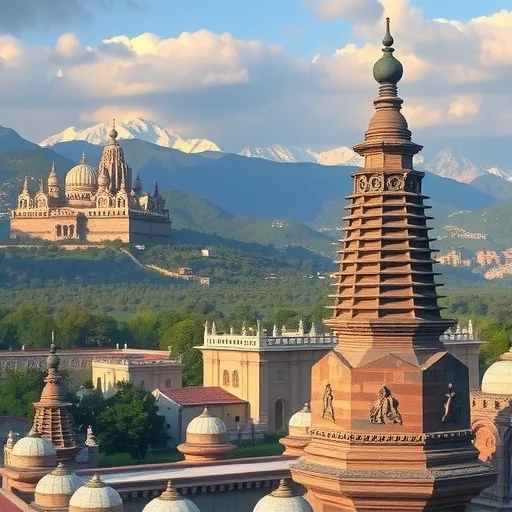
Shanxi is a treasure trove of history, culture, and natural beauty, offering travelers a unique blend of ancient traditions and modern experiences. If you’re planning a trip to this enchanting province, this guide will help you uncover the top 10 must-see attractions that will make your visit unforgettable.
Shanxi is known for its rich historical heritage, stunning landscapes, and architectural marvels. From the ancient city of Pingyao to the breathtaking mountains of Mount Heng, there is something for every type of traveler. Whether you’re interested in exploring ancient temples, discovering hidden caves, or enjoying the serene beauty of nature, Shanxi has it all.
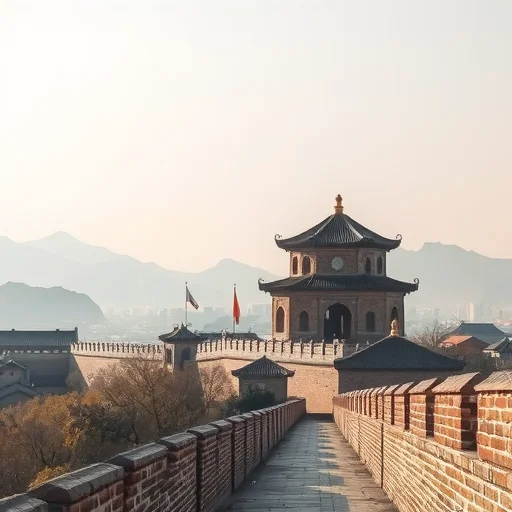
One of the most iconic attractions in Shanxi is the Ancient City of Pingyao. This well-preserved city dates back to the Ming Dynasty and is a living museum of traditional Chinese architecture. Walking through its narrow streets, you’ll encounter centuries-old buildings, traditional shops, and the famous Pingyao Ancient City Wall. The city’s rich history is reflected in its well-maintained structures, making it a must-visit for history enthusiasts.
Another highlight is the Yungang Grottoes, a UNESCO World Heritage Site that showcases the finest examples of Buddhist cave art in China. Carved into the cliffs of Datong, these grottoes are a testament to the skill and devotion of ancient artisans. Each cave is adorned with intricate carvings and statues that depict Buddhist stories and deities. The Yungang Grottoes offer a glimpse into the spiritual and artistic achievements of the past.
For those who love natural beauty, Mount Heng (Shanxi) is a must-see. Located in the western part of the province, this mountain is one of the Five Great Mountains of China and is revered for its spiritual significance. The mountain’s terraced fields, ancient temples, and breathtaking views make it a popular destination for both pilgrims and hikers. The surrounding areas are also home to the famous Yungang Grottoes, which are just a short distance away.
The Hanging Temple, or “Senjiao Temple,” is another unique attraction that showcases the ingenuity of ancient Chinese engineering. Perched on a cliff face between Mount Heng and the Yellow River, this temple is a remarkable feat of architecture. It features a series of stone bridges that connect different parts of the temple, allowing visitors to walk across the cliffs while admiring the stunning views. The temple’s location and design make it one of the most visually striking sites in Shanxi.
The Jiugong Mountain, or “Nine Peaks Mountain,” is a popular destination for nature lovers and spiritual seekers. Located in the western part of the province, this mountain is known for its serene atmosphere and beautiful landscapes. The area is home to the famous Taishan Temple, which is dedicated to the worship of the Buddhist deity Guanyin. The mountain’s misty peaks, ancient temples, and tranquil atmosphere make it a perfect place for meditation and reflection.
The Longmen Grottoes, although located in Henan Province, are often associated with Shanxi due to their historical and cultural significance. These grottoes, carved into the cliffs of the Luoxia River, are home to thousands of Buddhist statues and inscriptions. The intricate carvings and the spiritual ambiance of the site make it a fascinating destination for art and history lovers.
The Wutai Mountain, or “Five Peaks Mountain,” is one of the Four Sacred Buddhist Mountains in China and is a must-visit for spiritual travelers. Located in the northern part of Shanxi, this mountain is known for its stunning natural beauty and numerous temples. The area is also home to the famous Nanchan Temple, which is one of the oldest surviving wooden structures in the world. The mountain’s misty forests, ancient temples, and breathtaking views make it a unique and inspiring destination.
The Shuozhou Ancient City is another hidden gem in Shanxi, offering a glimpse into the province’s rich history and architectural heritage. This ancient city, located in the northern part of the province, is surrounded by mountains and is known for its well-preserved walls and traditional buildings. The city’s narrow streets and traditional shops provide a sense of timelessness, making it a perfect place to explore and experience local culture.
The Linfen City, or “Linfen,” is a city that has played a significant role in Shanxi’s history and culture. Known as the “City of the Yellow River,” Linfen is located in the central part of the province and is famous for its rich history, ancient temples, and traditional architecture. The city’s historical sites, including the ancient Linfen Temple and the Linfen Ancient City Wall, offer a fascinating insight into the region’s past.
The Taiyuan City, or “Taiyuan,” is the capital of Shanxi and a hub of history, culture, and modern development. The city is known for its well-preserved ancient architecture, including the Taiyuan Ancient City Wall and the Taiyuan Ancient Temple. The city’s modern skyline and vibrant cultural scene make it a dynamic destination for both history enthusiasts and modern travelers. Shanxi offers a unique blend of history, culture, and natural beauty that cannot be missed.
HistoricalSites#

This guide has been incredibly helpful. I’ve already planned a trip to Pingyao and the Yungang Grottoes. Looking forward to experiencing the history and beauty of Shanxi.
The information is well-structured and easy to follow. I appreciate the variety of attractions, from ancient temples to natural landscapes. It’s a comprehensive guide for first-time visitors.
I’m a history buff, and this list has given me a great starting point. The Hanging Temple and Wutai Mountain are on my must-visit list. Can’t wait to explore them!
The guide is thorough and covers all the essential spots. I’m especially impressed with the focus on both cultural and natural attractions. Highly recommended!
This is a fantastic resource for anyone interested in Chinese history and culture. The detailed descriptions and images make it easy to plan a meaningful trip to Shanxi.