
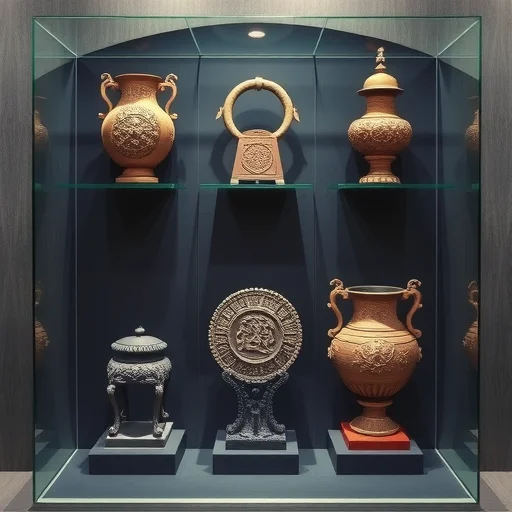
Visiting the Shaanxi History Museum is an unforgettable experience, but without the right plan, you might miss out on its rich history and cultural treasures. This guide will help you maximize your time, understand the key highlights, and enjoy a fulfilling visit.
The Shaanxi History Museum is one of the largest and most important museums in China, housing over 170,000 cultural relics from the Neolithic Age to the Qing Dynasty. It is a must-visit for anyone interested in Chinese history, archaeology, and art. However, the sheer volume of exhibits and the museum’s size can be overwhelming. To ensure you don’t miss anything important, it’s essential to plan your visit carefully.
Before heading to the museum, it’s best to check the opening hours and ticket information. The museum is open from 08:30 to 18:00, with the last entry at 17:00. Admission fees vary, and there are discounts for students, seniors, and groups. Booking tickets in advance is recommended, especially during peak seasons or holidays. Additionally, the museum offers guided tours and special exhibitions that can enhance your experience.
When you arrive, start by exploring the main halls. The first floor features the Neolithic to Han Dynasty collections, while the second floor showcases the Tang and Song Dynasties. The third floor is dedicated to the Ming and Qing Dynasties, and the fourth floor houses the special exhibitions. Each floor has a unique theme, so it’s best to take your time and read the labels carefully.
To make the most of your visit, consider the following tips: plan your route in advance, prioritize the most significant exhibits, and take breaks if needed. The museum has a large collection, so it’s easy to feel overwhelmed. However, with a clear plan, you can focus on the highlights without wasting time on less important exhibits.
One of the best ways to understand the museum is to start with the main highlights. The Terracotta Warriors, although not located within the museum, are a nearby attraction that many visitors combine with their visit. However, within the museum itself, the Han Dynasty bronze vessels, the Tang Dynasty imperial treasures, and the ancient calligraphy pieces are must-see. These exhibits provide insight into the daily life, politics, and culture of ancient China.
Another important aspect of visiting the museum is the audio guide and multimedia exhibits. These tools can help you better understand the historical context of the artifacts. The museum also offers a digital interactive map that allows you to navigate the exhibits more easily. If you’re interested in a deeper dive, you can join a guided tour or attend a lecture on a specific topic.
A great way to enhance your experience is to visit the museum during off-peak hours. Early mornings are usually less crowded, and you can take your time without worrying about large groups. Additionally, the museum has a quiet area where you can sit and reflect on what you’ve seen. This is a great place to take notes or sketch some of the artifacts.
If you’re visiting with children, consider the educational programs and interactive exhibits available. The museum offers workshops and activities designed for younger visitors, making it a fun and engaging experience for the whole family. These programs are a great way to introduce children to history in a hands-on and interactive manner.
For those who are short on time, a quick tour can still be rewarding. Focus on the main halls and the most iconic exhibits. The museum’s layout is logical, so you can move through the galleries in a straightforward manner. However, even a quick visit can provide a fascinating glimpse into China’s rich cultural heritage.
A real case example of a successful visit is a group of history enthusiasts who planned their trip in advance. They booked tickets online, researched the main exhibits, and arrived early to avoid crowds. They started with the Han Dynasty section, then moved to the Tang Dynasty, and finally visited the special exhibitions. By following this route, they were able to see the most important artifacts and enjoy the museum without feeling rushed.
Another example is a family that visited the museum during a weekend. They used the audio guide to learn about the exhibits and participated in a children’s workshop. They also took time to explore the quiet area and reflect on their experience. This approach allowed them to enjoy the museum without feeling overwhelmed.
In summary, visiting the Shaanxi History Museum is an enriching experience that can be tailored to your interests and time. With proper planning, you can maximize your time and gain a deeper understanding of China’s history. Whether you’re a history buff or a casual visitor, the museum has something for everyone.

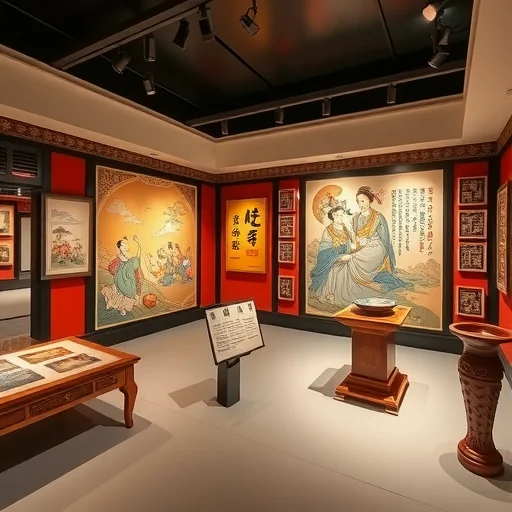
A comprehensive guide to visiting the Shaanxi History Museum
CulturalHeritage#



The audio guide was very helpful and made the experience more engaging for my kids.
This guide has helped me plan my visit better and I’m excited to see all the exhibits.
I visited during the weekend and the museum was less crowded, which made it easier to enjoy the exhibits.
I would definitely recommend this museum to anyone interested in history and art.
The special exhibitions were a highlight and I learned so much about ancient Chinese culture.