

Winter in Qinghai is often overlooked by tourists, but it offers a unique and breathtaking experience that few are prepared for. If you’re wondering whether it’s worth visiting Qinghai in winter and how to make the most of it, the answer is a resounding yes. With fewer crowds, lower prices, and some of the most stunning natural scenery in the country, Qinghai in winter is a hidden gem waiting to be discovered. This guide will help you plan the perfect winter trip to Qinghai, from the best time to visit to the must-see attractions and how to stay safe and comfortable in the cold.
Qinghai is a vast and diverse region in China, known for its high altitude, unique ecosystems, and stunning landscapes. In winter, the region transforms into a winter wonderland, with snow-covered mountains, frozen lakes, and clear blue skies that make for some of the most beautiful backdrops. However, winter in Qinghai also brings its own set of challenges, including cold temperatures, limited daylight, and fewer tourist facilities. If you’re planning a winter trip, it’s important to understand what to expect and how to prepare.
One of the best times to visit Qinghai in winter is between December and February, when the weather is the most stable and the scenery is at its most dramatic. During this period, the temperatures can drop below freezing, but the snowfall creates a magical atmosphere that is unmatched by any other time of the year. Popular destinations like Qinghai Lake, the Qilian Mountains, and the Kekexili Nature Reserve become even more enchanting in winter, with frozen lakes, snow-covered forests, and the chance to see rare wildlife such as the Tibetan antelope.
To make the most of your winter trip, it’s essential to plan carefully. First, check the weather forecast and pack accordingly. Layered clothing, warm accessories, and high-quality winter gear are a must. Second, book your accommodations in advance, as many hotels and guesthouses may have limited availability during the off-peak season. Third, consider hiring a local guide, especially if you’re planning to visit remote areas or engage in activities like hiking or wildlife watching. Lastly, be prepared for the cold and adjust your itinerary to account for shorter daylight hours and potential travel delays.
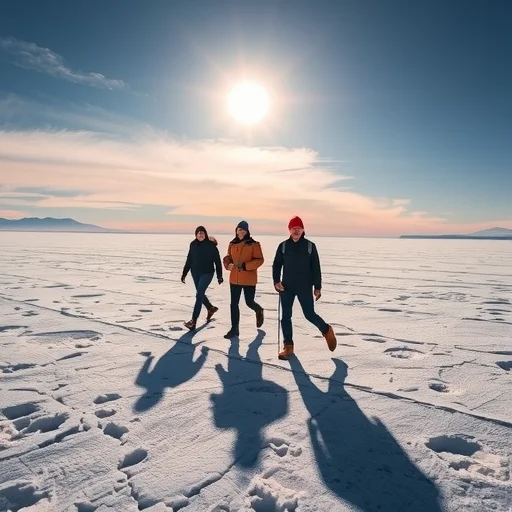
A great example of a successful winter trip to Qinghai is the experience of a group of travelers who visited Qinghai Lake in early February. They arrived in the early morning, when the lake was completely frozen and covered in a layer of snow. They spent the day exploring the surrounding areas, taking photos of the frozen landscape, and enjoying the peaceful atmosphere. In the evening, they stayed in a cozy guesthouse near the lake, where they had a warm meal and shared stories about their day. The experience was unforgettable, and they left with a deeper appreciation for the beauty of Qinghai in winter.
If you’re planning a winter trip to Qinghai, it’s also important to be mindful of the local culture and environment. Many of the regions in Qinghai are home to the Tibetan people, who have a rich cultural heritage and a deep connection to the land. Respect local traditions, follow any travel guidelines provided by local authorities, and be mindful of your impact on the environment. By doing so, you can ensure that your trip is not only enjoyable but also responsible.
Another important aspect of visiting Qinghai in winter is the opportunity to experience the region’s unique wildlife. The cold weather brings out different behaviors in animals, and some species become more visible during this time. For example, the Tibetan antelope can be seen in the Kekexili Nature Reserve, while the snow leopard may be spotted in the Qilian Mountains. These encounters are not only exciting but also a reminder of the importance of preserving these natural habitats.
In addition to the natural beauty and wildlife, Qinghai in winter also offers a unique cultural experience. Many local festivals and events take place during the winter months, providing an opportunity to learn about Tibetan traditions, participate in local activities, and enjoy traditional food. These experiences can add a deeper dimension to your trip and create lasting memories.
Overall, visiting Qinghai in winter is a rewarding experience that offers a unique blend of natural beauty, cultural richness, and adventure. With proper planning and preparation, you can enjoy the best of what Qinghai has to offer during the colder months. Whether you’re seeking a peaceful retreat, an adventurous getaway, or a chance to experience the beauty of nature in its purest form, Qinghai in winter has something for everyone.




Thanks for this guide! I’m planning a solo trip next year and the winter itinerary sounds perfect for someone who wants to avoid crowds. The photos really capture the beauty of the region in a different light.
I’ve been to Qinghai in summer and loved the green landscapes, but I’m curious—how does the weather in winter affect travel? Are there any specific places you’d recommend visiting?
I never thought about visiting Qinghai in winter before, but the pictures in the article made me want to plan a trip right away. The frozen lake and snowy mountains look absolutely magical.