
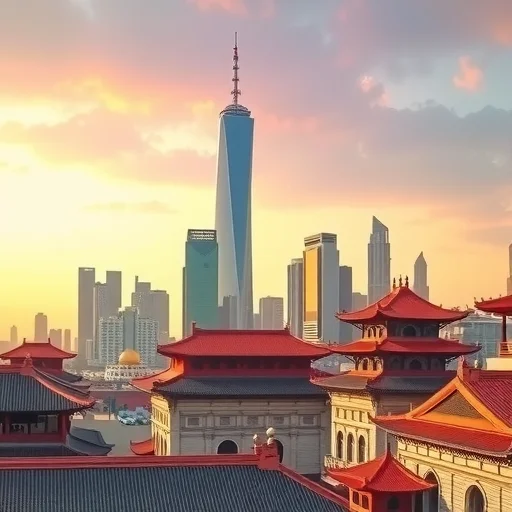
Traveling to Zhejiang, Jiangsu, and Shanghai can be overwhelming with so many attractions and options. This guide provides a clear, step-by-step plan to help you make the most of your trip. Whether you’re a first-time visitor or a returning traveler, this guide will ensure you experience the best of these three vibrant regions without missing out on anything important.
Zhejiang, Jiangsu, and Shanghai are three of China’s most culturally rich and economically dynamic regions. Each offers a unique blend of history, natural beauty, and modernity. Zhejiang is known for its stunning landscapes, ancient temples, and tea culture. Jiangsu is famous for its classical gardens, historical cities, and delicious cuisine. Shanghai, the financial hub of China, combines futuristic skyscrapers with traditional neighborhoods and vibrant nightlife. Combining these three regions into one trip can be a rewarding experience, but it requires careful planning to maximize your time and enjoyment.
To make the most of your trip, it’s essential to understand the key principles of travel planning. First, prioritize the attractions that interest you the most. Whether it’s visiting the West Lake in Hangzhou, exploring the classical gardens of Suzhou, or experiencing the modern energy of Shanghai, focus on what resonates with your interests. Second, consider the best time to visit each region. Zhejiang and Jiangsu are best visited in spring or autumn to avoid the extreme heat of summer or the cold of winter. Shanghai, being a coastal city, has a milder climate year-round, making it a great destination at any time. Third, plan your itinerary to allow for a balance between sightseeing and relaxation. Don’t overbook your days—leave room for spontaneous discoveries and rest.
When planning your trip, it’s also important to consider transportation. Zhejiang, Jiangsu, and Shanghai are all well-connected by high-speed rail and domestic flights, making it easy to move between cities. Hangzhou, Suzhou, and Nanjing are all within a few hours of each other, while Shanghai is just a short train ride away from Nanjing. This makes it possible to visit multiple cities without spending too much time traveling. Additionally, renting a car or using ride-hailing services can be a convenient option, especially if you want to explore smaller towns or rural areas.
Let’s take a sample itinerary to illustrate how you can plan your trip effectively. Start in Hangzhou, the capital of Zhejiang, where you can visit West Lake, the Longjing Tea Plantations, and the famous Lingyin Temple. Spend two days exploring the city and its surroundings. Then, head to Suzhou, known for its classical gardens like the Humble Administrator’s Garden and the Tiger Hill Pagoda. Spend another two days here to fully appreciate the beauty of Jiangsu’s gardens. From Suzhou, take a short train ride to Nanjing, the capital of Jiangsu, where you can visit the Ming Xiaoling Mausoleum, the Confucius Temple, and the Nanjing Museum. Finally, spend two days in Shanghai, exploring the Bund, the Yu Garden, and the modern skyline of Pudong. This itinerary allows you to experience the best of all three regions while keeping your schedule manageable.
In addition to sightseeing, it’s important to consider local cuisine. Each region has its own unique flavors. In Zhejiang, you’ll find delicious dishes like Dongpo Pork and West Lake Fish in Vinegar Gravy. Jiangsu is famous for its delicate and refined cuisine, with dishes like Su-style dumplings and Liangxi Steamed Buns. Shanghai, being a melting pot of cultures, offers a wide variety of food, from the famous Xiaolongbao to the popular Shanghai-style noodles. Don’t miss the chance to try the local specialties and experience the rich culinary traditions of these regions.
Another important aspect of travel is accommodation. Zhejiang, Jiangsu, and Shanghai have a wide range of options, from luxury hotels to budget-friendly hostels. In Hangzhou, you can choose between staying in the city center or near West Lake for a more scenic view. In Suzhou, many hotels are located near the classical gardens, offering a peaceful and traditional atmosphere. Shanghai offers everything from high-end hotels in the Bund area to trendy boutique hotels in the Xuhui district. Choosing the right accommodation can greatly enhance your travel experience.
Lastly, it’s always a good idea to have a flexible plan. While it’s important to have a rough itinerary, allowing for some spontaneity can lead to unexpected discoveries. You might find a hidden gem in a local market or stumble upon a festival that you didn’t know was happening. Being open to new experiences will make your trip more memorable.
Traveling to Zhejiang, Jiangsu, and Shanghai is an incredible way to experience the best of China’s culture, history, and modernity. With careful planning and a flexible mindset, you can create an unforgettable journey that highlights the unique charm of each region. Whether you’re a history enthusiast, a food lover, or a nature lover, these three provinces offer something for everyone. A well-planned trip to Zhejiang, Jiangsu, and Shanghai offers a perfect blend of culture, history, and modernity.
ChinaTravelGuide#




Traveling with my family, we followed this guide and had an amazing time. The combination of culture and nature was perfect.
I loved the food recommendations. The dishes were amazing, and the guide made it easy to find good restaurants.
The tips on transportation and accommodation were incredibly helpful. I felt prepared for everything.
This guide is a must-read for anyone planning a trip to the region. It’s comprehensive and easy to follow.
The itinerary was well-structured and saved us a lot of time. We even found some local gems that weren’t in the guide.