

Traveling to Guangxi can be an unforgettable experience, but with so many attractions and options, it’s easy to feel overwhelmed. This guide will help you plan a personalized travel itinerary in Guangxi that suits your interests, budget, and time frame. Whether you’re a nature lover, history enthusiast, or foodie, Guangxi has something for everyone.
Guangxi is a province in southern China known for its stunning landscapes, rich cultural heritage, and delicious local cuisine. From the karst mountains of Guilin to the serene waters of Yangshuo, the diverse scenery offers endless opportunities for exploration. However, without a clear plan, it’s easy to miss out on the best experiences. That’s why creating a personalized travel itinerary is essential. This guide will walk you through the key steps to ensure your Guangxi trip is both enjoyable and efficient.
Choosing the right destinations is the first step in planning your Guangxi trip. Guangxi is vast, and while Guilin and Yangshuo are the most famous, there are many other hidden gems worth exploring. Consider your interests—do you prefer natural beauty, historical sites, or local culture? If you love nature, you might want to include the Lijiang River, the Reed Flute Cave, or the Wuzhou River. If you’re interested in history, the ancient city of Liuzhou or the Longsheng Rice Terraces could be perfect.
Once you’ve selected your destinations, the next step is to plan your travel routes. Guangxi’s geography can be challenging, with mountainous terrain and limited public transportation in some areas. It’s important to consider the best ways to get around, whether by bus, train, or private car. For example, traveling between Guilin and Yangshuo is best done by taking a scenic boat ride, while exploring the mountains of Baise might require a more adventurous approach.
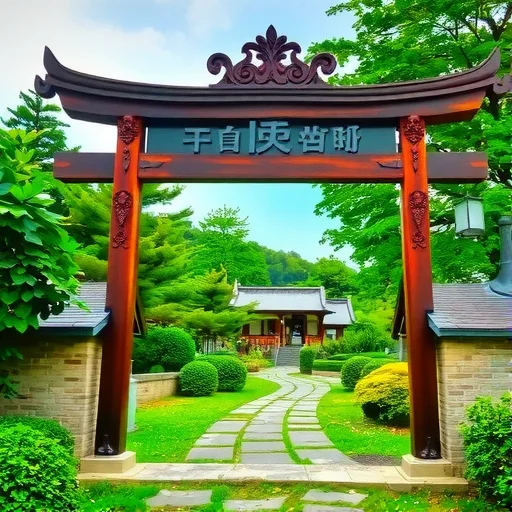
Accommodation is another crucial aspect of your itinerary. Guangxi offers a range of options from budget hostels to luxury hotels. If you’re traveling with a group, you might want to book a place in Guilin or Yangshuo, which have a variety of accommodations to suit different preferences. For a more unique experience, consider staying in a local homestay or a traditional village.
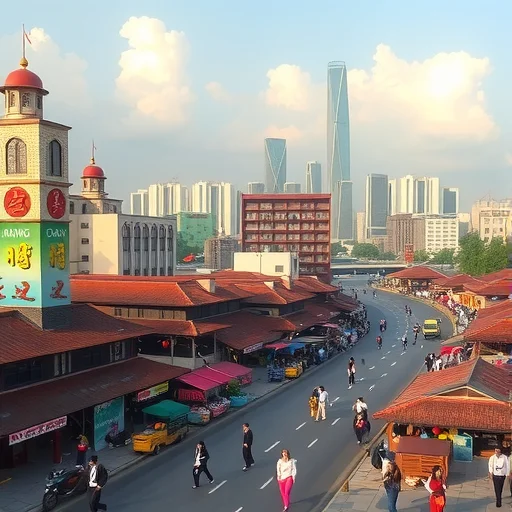
Food is an essential part of any trip, and Guangxi is famous for its delicious cuisine. Don’t miss the chance to try local specialties such as Liuzhou spicy noodles, Guilin米粉 (rice noodles), and the famous Guangxi braised pork. When planning your itinerary, make sure to include time for meals and street food exploration, especially in cities like Nanning and Guilin.
Lastly, it’s important to plan your time wisely. Guangxi can be a busy place during peak travel seasons, so booking in advance is recommended. Also, consider the weather—Guangxi has a tropical climate, so the best time to visit is from March to May or September to November. If you’re planning a longer trip, you might want to include nearby destinations like Guangdong or Hunan for a more comprehensive experience.
To give you a better idea, let’s look at a sample itinerary for a 7-day trip to Guangxi. Day 1: Arrive in Guilin, check into your accommodation, and explore the city. Day 2: Take a boat ride on the Lijiang River and visit the Reed Flute Cave. Day 3: Travel to Yangshuo, hike the West Hill, and enjoy the sunset at the Yangshuo countryside. Day 4: Explore the ancient town of Ping’an and visit the Longsheng Rice Terraces. Day 5: Head to the city of Liuzhou, visit the local markets, and enjoy a traditional meal. Day 6: Travel to Baise and visit the Guangxi Museum. Day 7: Depart from Nanning or Guilin, depending on your departure point.


The food recommendations are a great addition. I can’t wait to try the local dishes and explore the markets. The tips on transportation and accommodation are also very useful.
This guide is incredibly helpful! I’ve been planning a trip to Guangxi and this itinerary gives me a clear idea of what to do. I especially like the sample itinerary—it makes everything so much easier.