
Traveling on a budget doesn’t mean you have to compromise on experiences. With the right planning and mindset, you can explore new places without breaking the bank. The key is to focus on cost-effective strategies, such as choosing affordable accommodations, eating like a local, and using free or low-cost activities. This guide will walk you through the essentials of budget travel, helping you maximize your savings while still enjoying a fulfilling journey.
When planning a budget trip, it’s crucial to set a realistic budget and prioritize your spending. Start by determining how much you can afford to spend per day, and allocate funds for transportation, accommodation, food, and activities. Avoid the trap of overspending on unnecessary extras. Instead, focus on the essentials and look for ways to cut costs without sacrificing quality. For example, booking flights in advance, using budget airlines, or opting for hostels instead of hotels can significantly reduce your overall expenses.
One of the most effective ways to save money while traveling is to stay in budget-friendly accommodations. Hostels, guesthouses, and even couchsurfing are excellent options for travelers looking to stretch their budget. Many hostels offer dormitory-style rooms for a fraction of the cost of a hotel, and they often provide communal areas where you can meet fellow travelers. If you’re traveling alone, consider sharing a room to split costs. Additionally, look for accommodations with free breakfasts or amenities like Wi-Fi to further reduce expenses.
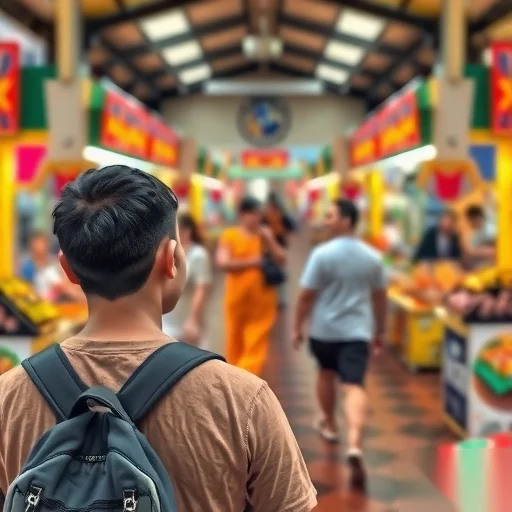
Eating like a local is another great way to save money while enjoying delicious food. Avoid tourist traps and instead visit local markets, street food stalls, or family-run restaurants. Not only will you get a more authentic experience, but you’ll also pay significantly less than in chain restaurants. Many cities have food tours that offer a budget-friendly way to try multiple dishes in different neighborhoods. For example, in Bangkok, you can enjoy a variety of street foods for just a few dollars, while in Paris, you can find affordable meals in traditional boulangeries.
Transportation is another area where you can save money. Use public transportation instead of taxis or ride-sharing services, especially in cities with extensive metro or bus systems. Many cities offer day passes or multi-day passes that allow unlimited travel for a fixed price. If you’re traveling between cities, consider trains or buses instead of flights, especially for shorter distances. For example, traveling by train between London and Edinburgh is not only cheaper than flying but also offers scenic views and a more relaxed pace.
Activities and attractions can also be budget-friendly. Many cities offer free walking tours, museums with discounted or free entry days, and parks where you can enjoy nature without paying. Research in advance to find free events, festivals, or cultural activities that align with your interests. For instance, in Rome, you can visit the Colosseum during off-peak hours for a lower price, or in New York, you can explore Central Park for free. Some attractions even offer student or senior discounts, so always check for these options.
Let’s take a real-life example to illustrate how budget travel works in practice. Imagine planning a trip to Southeast Asia for a week. Instead of booking a luxury hotel, you stay in a hostel in Bangkok for $15 per night. You eat at local street food stalls, spending around $5 per meal, and use public transport for $1 per ride. For activities, you visit free temples and enjoy a cooking class for $20. By the end of the week, your total expenses are around $200, allowing you to save money while still having a memorable experience.
Another example is traveling to Europe on a budget. Instead of flying first class, you opt for budget airlines and book flights in advance for a fraction of the cost. You stay in hostels or Airbnb rentals, and you use public transport to move between cities. By planning meals around local markets and participating in free walking tours, you can enjoy a week in Paris or Amsterdam for under $500. These examples show that with careful planning, you can travel affordably without sacrificing the quality of your experience.
In conclusion, budget travel is all about smart choices and prioritizing value over luxury. By focusing on cost-effective accommodations, local dining, and free or low-cost activities, you can make the most of your travel budget. The key is to plan ahead, research thoroughly, and remain flexible. With these strategies in place, you can enjoy an unforgettable journey without overspending.



Traveling on a budget has allowed me to see so much of the world without spending a fortune. I’ve found that staying in hostels and eating at local markets makes a huge difference.
I’ve always thought budget travel was hard, but this guide made it feel doable. I’m planning a trip to Southeast Asia and already feel more prepared than ever before.